Beef Protein Powder Recipes: Soup, Baking, and Savory Uses
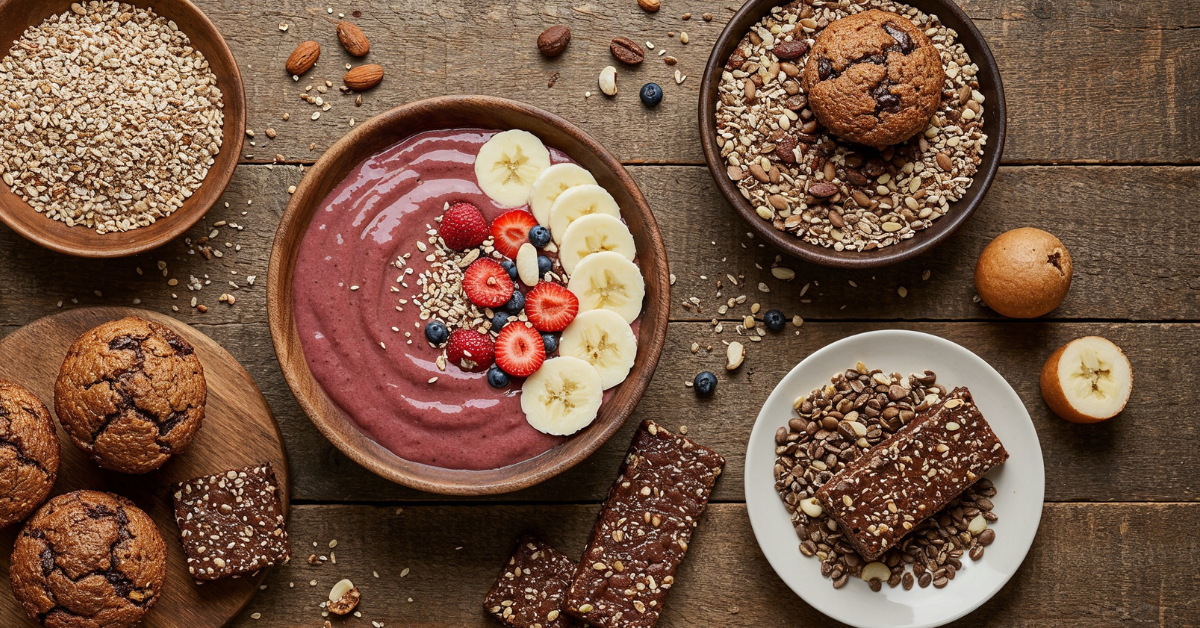
Beef protein powder can add protein to soup, baked goods, pancakes, oatmeal, sauces, and no-bake foods. It cannot replace flour, broth, eggs, or meat one for one. Start with a recipe designed for protein powder, use an unflavored option for savory food, and add the powder gradually so you can adjust moisture and texture.
The useful question is not whether protein powder survives cooking. It does. The question is whether the finished food is pleasant enough to make twice.
What changes when you cook with protein powder?
Heat changes a protein's folded structure, a process called denaturation. That is normal food chemistry. Eggs set in a pan for the same broad reason. Denaturation does not make the protein disappear.
Texture is the part cooks notice. Proteins can unfold, interact, aggregate, and form gels when heat, concentration, acidity, salt, and other ingredients change [1]. Research on whey shows how dramatically a protein's behavior can shift with the surrounding food system [2]. Beef isolate, egg white, whey, casein, pea, and collagen powders are not interchangeable baking ingredients.
Three practical rules follow:
- Do not replace all the flour or starch with protein powder.
- Do not assume one powder uses the same amount of liquid as another.
- Test a small batch before scaling a recipe.
That is less catchy than one magic substitution ratio. It is also much less likely to produce a tray of expensive doorstops.

Plain Naked delivers 26g of complete protein in an unflavored formula suited to savory recipes.
Which protein powder works best in soup and baking?
Choose around flavor, protein source, and the job in the recipe.
| Use | A practical starting choice | What to watch |
|---|---|---|
| Pureed soup | Unflavored powder | Clumping, thickening, savory flavor |
| Broth-based soup | Unflavored powder in a separate slurry | Cloudiness and grainy texture |
| Muffins or quick breads | Vanilla, chocolate, or unflavored | Dryness and over-firm texture |
| Pancakes or waffles | A powder already used in a tested recipe | Batter thickness and browning |
| Sauce or gravy | Unflavored powder in a cool slurry | Lumps and excessive thickening |
| No-bake bites | A flavor that matches the other ingredients | Chalkiness and sweetness |
An unflavored label does not guarantee a neutral taste. Protein sources have their own aroma and texture. Our unflavored protein powder guide explains what to expect from the label and in the glass.
For savory recipes, read the complete ingredient list. Cocoa, vanilla flavor, monk fruit, stevia, gums, and lecithin all change how a powder behaves and tastes. A formula designed for a sweet shake rarely belongs in tomato soup.
How do you add protein powder to soup without clumps?
Use a slurry rather than pouring dry powder into a bubbling pot.
- Cook the soup until the other ingredients are done.
- Put a small amount of cool or warm liquid in a separate bowl.
- Whisk in the protein powder gradually until smooth.
- Stir the slurry back into the pot over low heat.
- Stop when the soup is evenly mixed, then check thickness and seasoning.
This method disperses the powder before it meets the full volume. Lower heat also gives you more control over aggregation and thickening. It is a general culinary method, not a promise that every formula will remain perfectly smooth.
Acidic soups can be harder. Tomato, lemon, and vinegar change protein interactions. Very salty or highly concentrated mixtures can behave differently too [1]. Make a small slurry and watch it before committing a full scoop.
Pureed vegetable soups are often more forgiving because the base already has body. Thin, clear soups reveal every lump and may turn cloudy. In those cases, a separate complete-protein food can be the better answer.
What soups work with unflavored protein powder?
Start with soups where a slightly thicker body fits the dish:
- Butternut squash or pumpkin soup
- Pureed cauliflower soup
- Potato or sweet-potato soup
- Blended tomato soup
- Cream-style mushroom soup made with a tolerated base
- Thick chili or stew after the main cooking is complete
The powder is an addition, not the recipe's foundation. Broth, vegetables, meat, herbs, fat, salt, and acid still build the flavor.
A bone broth already contains some protein, but the amount varies by product and recipe. The guide to how much collagen bone broth contains explains why the label matters. If the goal is complete protein, collagen-rich broth and complete protein powder also perform different nutritional jobs.
Can you bake with beef protein powder?
Yes, but use a formula written for added protein or modify a familiar recipe in small steps. Protein powder does not supply the starch, gluten, or exact water-binding behavior of flour.
A high-protein batter can become dry, dense, rubbery, or crumbly. The outcome depends on the powder and the rest of the formula. Eggs add structure. Fruit purees, yogurt alternatives, and fats change moisture. Almond flour and coconut flour behave very differently from wheat flour and from each other.
A safe development process looks like this:
- Bake the original recipe once so you know its normal texture.
- Replace only a modest portion of the dry mixture with protein powder.
- Keep the other variables steady.
- Note batter thickness before baking.
- Adjust moisture in the next batch, not all at once.
For a recipe already developed around powder, use our high-protein muffins, almond-flour protein muffins, or chocolate protein muffins guides. Follow the recipe instead of applying a universal percentage from a different flour and powder combination.
Does heat destroy protein powder?
Ordinary cooking changes protein structure, but “denatured” does not mean “gone.” Your digestive system also unfolds and breaks protein down.
Severe processing can affect amino acids and digestibility through aggregation, oxidation, or reactions with sugars. The size of that effect depends on temperature, time, moisture, food matrix, and protein source [3]. It is not accurate to say every heating method leaves every protein nutritionally identical. It is equally inaccurate to say a baked protein food has lost all its protein.
For a home cook, texture is usually the first limit. Use established recipes, avoid unnecessary overcooking, and judge doneness as the recipe directs.
How can you keep protein baking from turning dry?
Dryness often comes from too much powder, too little liquid or fat, or too much time in the oven.
Keep the recipe's structure intact. Flour and starch hold water and set differently from concentrated protein. Eggs can add structure but can also make a protein-heavy bake firmer. Coconut flour absorbs a large amount of liquid, so combining it with an unfamiliar protein powder calls for a recipe written for both.
Mix only until the batter is combined. Resting behavior varies, so follow the recipe if it calls for a rest. Use the stated pan size because a thinner layer cooks faster. Check near the early end of the recipe's bake window.
If the first batch is dry, change one variable next time. Reduce the powder, add a measured amount of moisture or fat, or shorten the bake. Changing all three teaches you nothing.
What savory foods can use beef protein powder?
Soup is only one option. Unflavored powder can work in:
Mashed vegetables
Whisk a small slurry into mashed cauliflower, sweet potato, or squash. Add gradually because the powder may thicken the mixture.
Sauces
Blend the powder with cool liquid first, then stir it into a warm sauce over low heat. Strongly acidic sauces deserve a small test batch.
Ground-meat mixtures
A recipe developed with protein powder may use it as one dry component in meatballs, patties, or a loaf. Do not add a large scoop to an existing formula without adjusting moisture and binders.
Savory pancakes or waffles
Use a tested batter and an unflavored powder. Herbs, grated vegetables, and salt can provide the flavor while the powder contributes protein.
No-bake snacks
Nut or seed butter can carry protein powder in bites or bars. Add the powder gradually and adjust the binder until the mixture holds together.
Paleo Protein's Plain Naked variant currently lists beef protein isolate, egg white protein, and sunflower lecithin, with 26 grams of complete protein per serving [4]. It is the most natural Paleo Protein flavor for soup and savory recipes. A serving number on the bag still needs to be divided across the recipe portions when you calculate protein per piece or bowl.
How do you calculate protein per serving in a recipe?
Use the label and the number of finished portions.
- Multiply protein per powder serving by the number of servings added.
- Add protein from the other ingredients.
- Divide the total by the number of portions the recipe produced.
If one scoop supplies 26 grams and a recipe makes eight equal portions, the powder contributes 3.25 grams per portion. That is before counting eggs, meat, nuts, flour, or other ingredients.
Do not call a food “high protein” based only on the scoop added to the bowl. Portion size decides what each person eats.
Frequently asked questions
Can you put protein powder in hot soup?
Yes. For smoother mixing, whisk the powder with a small amount of cool or warm liquid first, then stir the slurry into the soup over low heat.
Does protein powder thicken soup?
It can. The effect depends on the protein source, concentration, temperature, acidity, and other ingredients. Add gradually and stop before the texture becomes pasty.
Can protein powder replace flour in baking?
It can replace part of a recipe's dry mixture, but it is not a one-for-one flour substitute. Use a tested protein-powder recipe or modify a small batch conservatively.
Does baking destroy the protein?
Baking denatures protein and can change functionality. It does not make the protein vanish. Excessive heat and time can affect quality, so follow a tested recipe and avoid overbaking.
What flavor is best for savory protein recipes?
Unflavored powder is usually the most flexible, but check the full ingredient list and taste. “Unflavored” does not mean the protein source has no flavor.
Why did protein powder clump in my sauce?
Dry powder met concentrated heat or liquid before it dispersed. Make a smooth slurry separately, add it gradually, and keep the heat controlled.
Can collagen powder replace complete protein in a recipe?
No. Collagen can contribute protein grams, but it lacks tryptophan and has a different amino-acid pattern from complete proteins. Use it for its intended role, not as the only protein source.
Protein powder is an ingredient, not a shortcut around recipe structure. Give it a clear job, keep the first batch small, and let texture tell you what to change.
Sources
- Nicolai T, Durand D. “Controlled Food Protein Aggregation for New Functionality.” Current Opinion in Colloid & Interface Science. 2013;18(4):249-256. doi:10.1016/j.cocis.2013.03.001
- Wagner J, Biliaderis CG, Moschakis T. “Whey Proteins: Musings on Denaturation, Aggregate Formation and Gelation.” Critical Reviews in Food Science and Nutrition. 2020;60(22):3793-3806. PMID: 31997648
- van Lieshout GAA, Lambers TT, Bragt MCE, Hettinga KA. “How Processing May Affect Milk Protein Digestion and Overall Physiological Outcomes.” Critical Reviews in Food Science and Nutrition. 2020;60(14):2422-2445. doi:10.1080/10408398.2019.1646703
- Paleo Pro. “Paleo Protein Powder.” Product page and current product data, accessed 2026-09-17. Product details
