Dairy-Free Protein Shakes: 8 Recipes, Plus Milk vs Water
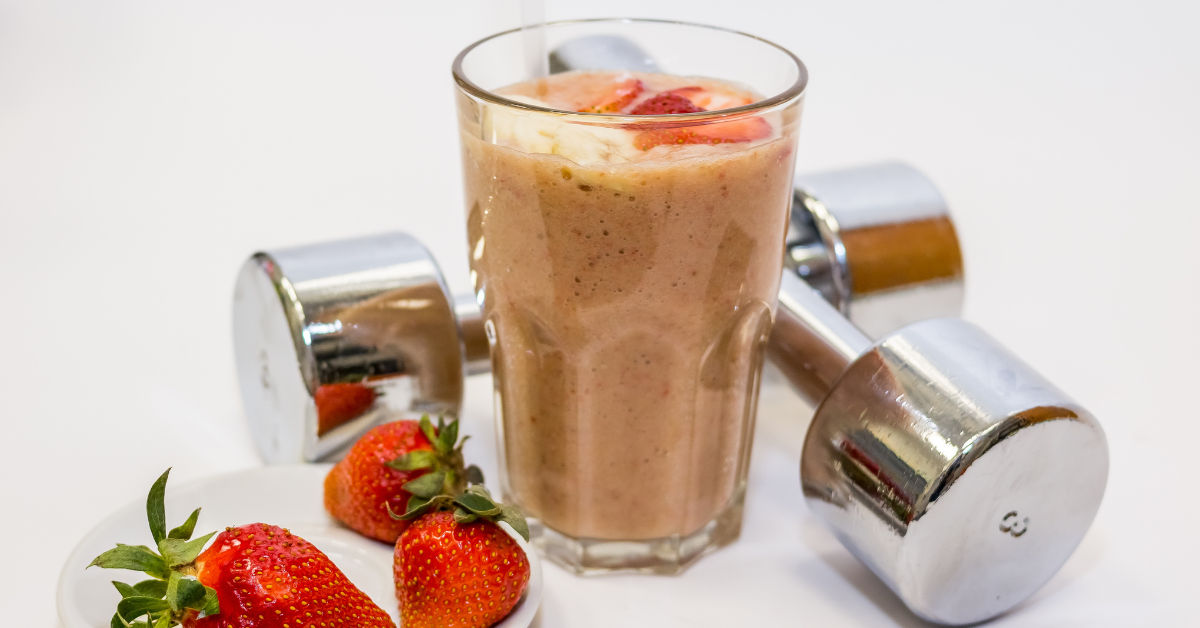
A dairy-free protein shake is a milk-free protein powder mixed with water or a non-dairy beverage, then built out with fruit, cocoa, coffee, or seed butter. Made that way, it is also lactose-free. Start with the liquid amount on your powder's label, blend it cold, and check every add-in for hidden milk.
That last step is where most "dairy-free" shakes quietly stop being dairy-free. The recipes below are built to avoid it.
What makes a protein shake dairy-free and lactose-free?
A dairy-free shake contains no whey, casein, milk protein, milk solids, or other milk-derived ingredient. Because lactose only comes from milk, a shake with no milk ingredients is lactose-free too. The reverse does not hold: lactose-free milk and lactose-free whey still contain milk protein, which matters most for a diagnosed milk allergy.[1][2]
Check all three parts of the shake:
-
Powder: Read the protein source, the ingredient list, and the
Containsstatement. - Liquid: Water is dairy-free. Almond, coconut, oat, soy, and pea beverages usually are too, but check the carton because formulas and facility statements vary.
- Add-ins: Yogurt, milk chocolate, creamers, and some flavor blends put milk back into an otherwise non-dairy shake.
Egg, soy, peanuts, and tree nuts are major allergens as well. A dairy-free label only answers the milk question.[2]
The powder does most of the work in any shake, so start with one that is dairy-free on the label and supplies complete protein, not just protein grams.

26g of complete beef-and-egg protein per scoop, with no whey, casein, or lactose.
Should you mix protein powder with water or milk?
Use water when you want the shake to stay dairy-free, lactose-free, and predictable. Use a non-dairy beverage when you want more body or flavor. Cow's milk adds protein, but it also adds lactose and ends the dairy-free question.
Here is what one cup of each liquid adds before the powder goes in, based on USDA FoodData Central entries:[4][5][6]
| Liquid (1 cup) | Protein | Calories | Dairy-free? | What it does to the shake |
|---|---|---|---|---|
| Water | 0g | 0 | Yes | Thinnest texture; the powder's own flavor comes through |
| Unsweetened almond beverage | About 1g | About 39 | Yes (contains tree nuts) | A little body, very little protein |
| Unsweetened soy beverage | About 7g | About 80 | Yes (contains soy) | Creamier, and a real protein bump |
| Whole cow's milk | About 7.7g | About 149 | No | Creamy, adds about 12g of lactose; not dairy-free |
Brands vary, so the carton's Nutrition Facts panel beats any table, this one included. Oat, coconut, and pea beverages differ widely by brand; read the protein and sugar lines before assuming anything.
The practical rule: if the powder already supplies your protein, the liquid is a texture and flavor choice. Water is the default for a shaker bottle. A non-dairy beverage earns its place in a blender shake you want to taste like a milkshake.
Which dairy-free protein powder works best in shakes?
For shakes, how a powder behaves in liquid matters almost as much as what it is. This is a quick shake-focused view; the dairy-free protein powder guide compares the powders themselves in depth.
| Protein source | Protein quality | Typical shake behavior | Best use |
|---|---|---|---|
| Verified beef formula or beef-and-egg blend | Can be complete; verify the formula | Smooth to moderately thick | Everyday shakes and training |
| Egg white | Complete | Foams and thickens with blending | Light, frothy shakes |
| Soy isolate | Complete | Creamy; flavor varies | Vegan shakes |
| Pea-and-rice blend | Complementary plant proteins | Thick and sometimes grainy | Vegan shakes with fruit or cocoa |
| Collagen peptides | Incomplete | Dissolves with little body | Adding collagen to a shake that already has complete protein |
For daily protein or resistance training, a complete protein or complementary blend is the straightforward choice. Total daily intake and enough essential amino acids matter more than the animal-versus-plant argument printed on the front of the bag.[3] If you are leaving whey behind for other reasons too, the non-whey protein powder comparison covers each alternative.
What are the best dairy-free protein shake recipes?
The eight recipes below are frameworks, not label facts. Fruit size, beverage brand, nut butter, and powder formula all change calories and carbohydrate, so calculate nutrition from the exact ingredients you use. Every recipe is dairy-free and lactose-free as written if the powder and beverage are.
1. Chocolate almond shake
- 1 serving chocolate protein powder
- 10 to 12 ounces unsweetened almond beverage
- 1 tablespoon almond butter
- Ice
Blend until smooth. Add two more ounces of liquid if the nut butter makes it heavier than you like. Contains tree nuts as written.
2. Vanilla berry shake
- 1 serving vanilla protein powder
- 10 to 12 ounces water or unsweetened coconut beverage
- 3/4 cup frozen berries
- Ice as needed
Frozen berries add body without a banana. Let them sit for a few minutes if your blender struggles with a solid block of fruit.
3. Mocha cold-brew shake
- 1 serving chocolate or mocha protein powder
- 8 ounces cold-brew coffee
- 2 to 4 ounces water or dairy-free beverage
- Ice
Use brewed cold coffee, not concentrate, unless you dilute it according to the package. Caffeine varies, so this is a poor bedtime recipe unless staring at the ceiling is part of your plan. For hot coffee, the method in protein powder in coffee avoids clumps.
4. Tropical plain-protein shake
- 1 serving unflavored protein powder
- 10 to 12 ounces coconut water or water
- 1/2 cup frozen mango
- A squeeze of lime
- Ice
An unflavored protein powder lets the fruit lead. Coconut water raises the carbohydrate count; plain water keeps it lower.
5. Banana cinnamon shake
- 1 serving vanilla or unflavored protein powder
- 10 to 12 ounces unsweetened dairy-free beverage
- 1/2 frozen banana
- Cinnamon to taste
- Ice
Add the banana in pieces so the blender can catch it. A whole banana makes a sweeter, thicker shake and changes the carbohydrate total.
6. Peanut butter and berry shake
- 1 serving vanilla or unflavored protein powder
- 10 to 12 ounces water or unsweetened soy beverage
- 1 tablespoon peanut butter
- 1/2 cup frozen berries
- Ice
Contains peanut, and soy if you use soy beverage. Sunflower seed butter makes a nut-free version, subject to its own facility statement.
7. Pumpkin spice shake
- 1 serving vanilla protein powder
- 10 to 12 ounces unsweetened oat or almond beverage
- 1/4 cup canned pumpkin puree (not pie filling)
- 1/2 teaspoon pumpkin pie spice
- Ice
Pumpkin puree adds thickness and fiber without dairy. Pie filling is a different product with its own ingredient list, so check the can.
8. Simple shaker-bottle version
- 1 serving protein powder
- Cold water, in the amount on your powder's label
Add water first, then powder. Shake, rest for 20 to 30 seconds, and shake again. A plain shake is the right call when the point is convenience rather than turning breakfast into a blender-cleaning project.
How do you make a dairy-free shake thicker or smoother?
Fix technique before adding ingredients.
- Start with cold liquid. It usually produces a smoother texture than room-temperature liquid.
- Add liquid first. Powder is less likely to pack into the corners of a blender or shaker.
- Blend briefly. Egg white and some protein blends trap air, and more blending means more foam.
- Wait before judging. Many powders keep hydrating for 20 to 30 seconds.
- Thicken with frozen fruit, not more powder. A second scoop changes the protein dose, not just the texture.
- Adjust in small steps. Two ounces of liquid can rescue a heavy shake without washing out the flavor.
Are ready-to-drink shakes dairy-free?
Some are and some are not, and the front of the bottle is a poor guide. Ready-to-drink shakes need the same label check as powder: look for whey, casein, milk protein concentrate, or milk in the Contains statement.[2] "Lactose-free" on a bottle can still mean milk protein with the lactose removed.
Mixing your own costs a minute and gives you control over the liquid, the sweetener, and the serving. Ready-to-drink wins on convenience. Pick based on which one you will actually drink.
Can a dairy-free shake still upset your stomach?
Yes. Dairy-free removes milk ingredients. It does not guarantee digestive comfort.
A large serving, sugar alcohols, inulin or chicory root, a plant protein, an allergen, or several new ingredients at once may affect an individual. Lactose intolerance also differs from a milk allergy, so a symptom that looks digestive should not be used to rule out an allergic reaction.[1][2] If whey was the old problem, how much lactose whey contains may explain why.
When troubleshooting, make the simplest version: one serving of powder in water. If that goes well, add one ingredient at a time. Persistent or severe symptoms need clinical guidance, not more blender experiments.
Paleo Protein Powder combines grass-fed beef protein isolate with egg white protein, so it is dairy-free and lactose-free but contains egg. The product page lists 26 grams of protein, 120 calories, and 1 gram of carbohydrate per 30-gram scoop.[7] Plain Naked is unflavored and unsweetened; the other flavors use monk fruit. See the current flavors if a beef-and-egg blend fits your diet, or compare it with six other brands in our beef protein powder comparison.
Ready to build your own? See Paleo Protein Powder for the current beef-and-egg flavors, or compare the full protein collection. Purchases are covered by PaleoPro's 60-day money-back guarantee.
Frequently Asked Questions
What is the best dairy-free protein for a shake?
Choose a complete protein or complementary blend that fits your allergens and taste. Beef-and-egg, egg white, soy isolate, and pea-and-rice blends can all work. The finished formula matters as much as the category.
Should I use milk or water in a protein shake?
Use water to keep the shake dairy-free, lactose-free, and low in calories. A non-dairy beverage adds body, and unsweetened soy beverage adds roughly 7 grams of protein per cup. Cow's milk adds protein and lactose and makes the shake no longer dairy-free.
What non-dairy milk has the most protein?
Among common options, unsweetened soy beverage is the standout at roughly 7 grams of protein per cup in USDA data. Unsweetened almond beverage has about 1 gram. Pea, oat, and coconut beverages vary by brand, so check the carton.
Is a lactose-free protein shake dairy-free?
Not always. Lactose-free whey and lactose-free milk still contain milk proteins. A dairy-free shake excludes milk-derived ingredients such as whey and casein, which also makes it lactose-free.
Does a dairy-free shake provide enough protein?
It can. Check the grams per serving and whether the protein is complete. A shake is only as complete as its powder and other ingredients, and the liquid you choose can add a few grams.
Can collagen be the protein in my shake?
Collagen contributes protein but lacks tryptophan. Add it for collagen-specific amino acids while keeping a complete protein elsewhere in the shake or meal.
Are these dairy-free shakes for weight loss?
They can fit many eating plans, but a shake does not cause weight loss by itself. Portion size, add-ins, total energy intake, and the rest of the diet determine how it functions in your day.
Can children drink dairy-free protein shakes?
Children have different nutrition needs, and powders may contain allergens or amounts intended for adults. Ask a pediatric clinician before using a protein supplement for a child.
Sources
- National Institute of Diabetes and Digestive and Kidney Diseases. Symptoms & Causes of Lactose Intolerance.
- U.S. Food and Drug Administration. Food Allergies: What You Need to Know.
- Jäger R, et al. “International Society of Sports Nutrition Position Stand: protein and exercise.” Journal of the International Society of Sports Nutrition. 2017. PMC.
- USDA FoodData Central. Milk, whole, 3.25% milkfat, with added vitamin D (FDC 171265). SR Legacy. Accessed 2026-09-25.
- USDA FoodData Central. Soymilk (all flavors), unsweetened, with added calcium, vitamins A and D (FDC 175215). SR Legacy. Accessed 2026-09-25.
- USDA FoodData Central. Beverages, almond milk, unsweetened, shelf stable (FDC 174832). SR Legacy. Accessed 2026-09-25.
- PaleoPro. Paleo Protein Powder. Nutrition facts checked 2026-09-25.
