Collagen Products
Compare collagen source, form, protein per serving, and allergens. Choose the powder that fits your routine and read the evidence with the label attached.
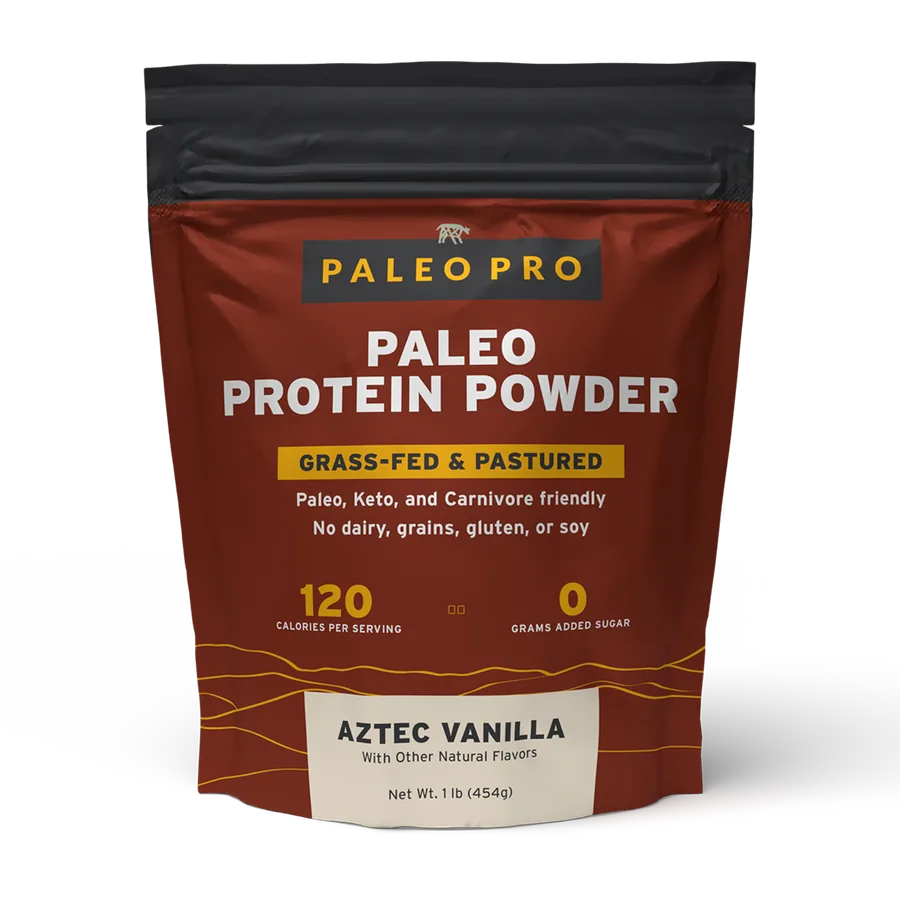
Beef & Egg Protein
26g protein · 120 calories · 5 ingredients · 0g added sugar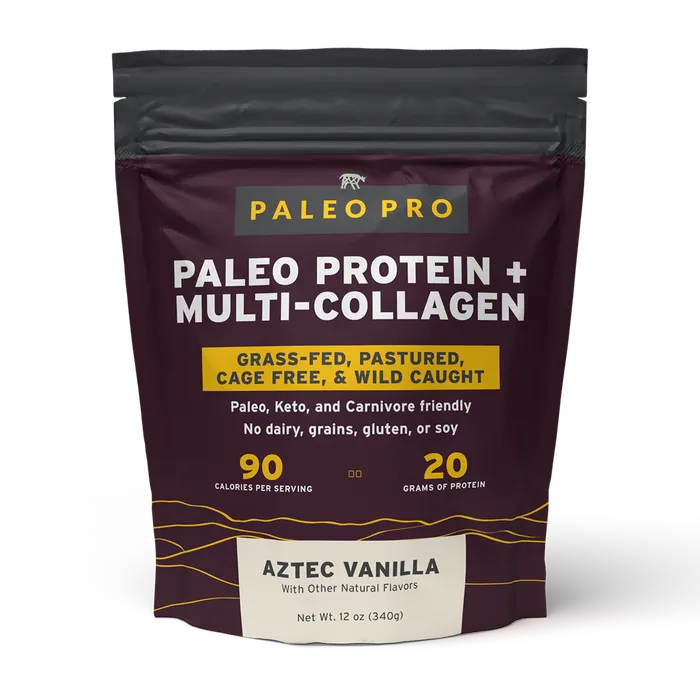
Protein + Multi Collagen
Beef & egg protein + multi collagen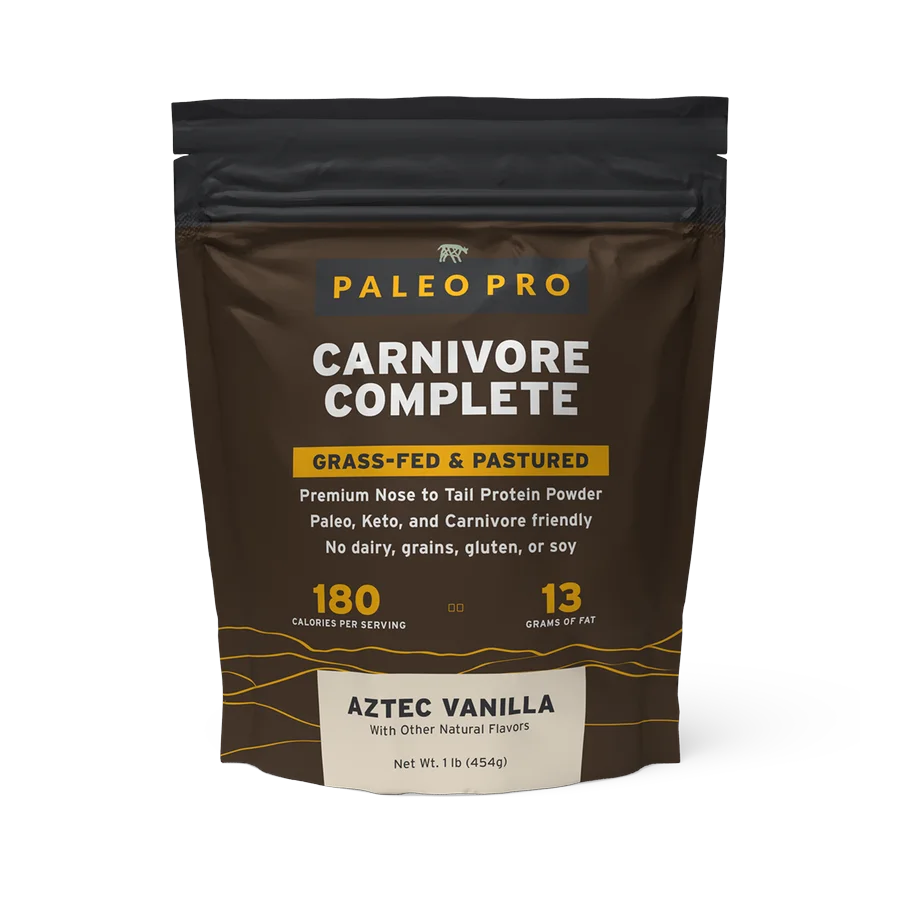
Carnivore Complete
13g protein · 13g healthy fats · 180 calories · 5 organs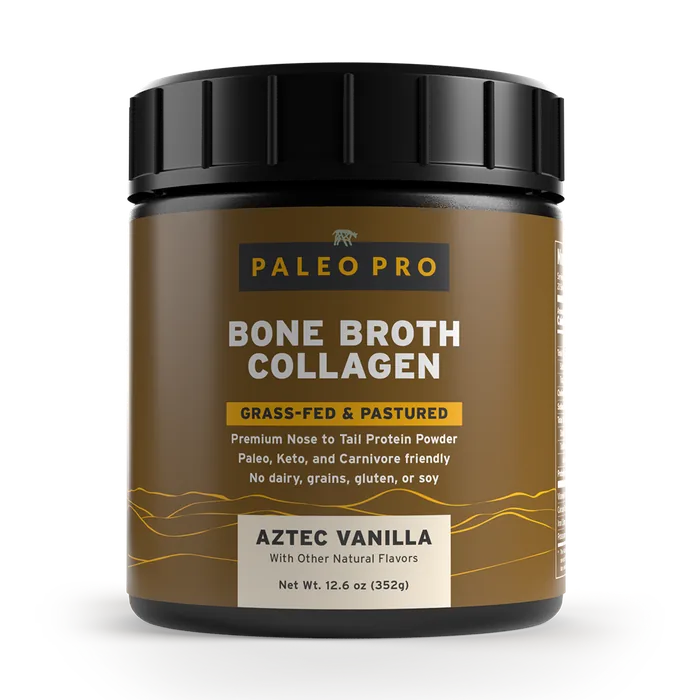
Bone Broth Collagen
Grass-fed bone broth · Collagen · GlycineChoose a Collagen Powder by Source, Form, and Use
A collagen label can name an animal source, a collagen type, a processing method, or all three. Those details are related, but they do not mean the same thing. Start with what you want the powder to do in your routine. Then compare the protein per serving, ingredient form, source, allergens, and evidence for that exact material.
Start With the Job
- For a measured beef-collagen serving: Grass-Fed Bone Broth Collagen + Turmeric lists 16g of protein per serving from beef collagen, plus turmeric root. That is a composition fact. It does not mean the finished formula has been shown to produce a joint, skin, digestive, or sleep result.
- For an unflavored multi-source collagen: Premium Multi-Collagen is the plain option in this collection. A larger number of sources or marketed types does not establish better results, so compare the label and how you plan to use it.
- For protein and collagen together: Protein+ Multi-Collagen lists 20g of total protein per serving. It combines beef protein isolate with hydrolyzed beef collagen, marine collagen, chicken bone-broth collagen, and eggshell membrane. The label does not disclose how many grams come from each collagen source.
Want the source question first? Read the guide to bovine collagen. If you are deciding whether the number on a collagen label belongs in your daily protein total, start with does collagen count as protein?
Read the Label in This Order
- Protein per serving. This tells you the measured protein in the scoop. It does not tell you that the protein is complete or that it matches a research dose.
- Ingredient form. Hydrolyzed collagen peptides, gelatin, and undenatured Type II collagen are different materials. Evidence for one should not be assigned to another.
- Animal and tissue source. Bovine, marine, chicken, and eggshell membrane describe where an ingredient began. Type II collagen is a central component of cartilage, not bone. A source clue does not quantify each type in a finished powder.
- Allergens and other ingredients. Marine collagen is fish-derived, and eggshell membrane is egg-derived. Flavors, sweeteners, cocoa, lecithin, and botanicals also differ across formulas.
- Evidence match. Compare the studied ingredient, dose, population, outcome, duration, study quality, and funding with the product in front of you.
Our collagen types guide separates type, source, and processing without treating Roman numerals as a score.
Compare the Current Collagen Formats
- Grass-Fed Bone Broth Collagen + Turmeric: a flavored beef-collagen powder with 16g of protein per serving and turmeric root.
- Premium Multi-Collagen: an unflavored multi-source collagen formula for people who want collagen without a protein-isolate base.
- Protein+ Multi-Collagen: a mixed protein-and-collagen formula with 20g of total protein and four disclosed collagen sources.
Still deciding between a food-style broth and a measured powder? Read bone broth vs collagen peptides before you choose.
Frequently asked questions
What does a collagen type number mean?
A collagen type number identifies a structural protein found in the body. It does not by itself tell you the animal source, processing method, amount in a serving, or whether a finished supplement has been shown to produce a health outcome.
Is Type II collagen found in bone?
Type II collagen is a central component of cartilage. Bone is associated mainly with Type I collagen. A bone-broth or chicken source on a label does not quantify the amount of Type II collagen in the finished powder.
Does collagen count as protein?
Collagen contributes protein grams on a Nutrition Facts label, but it lacks tryptophan and does not have the indispensable amino-acid balance of a complete dietary protein. Keep complete protein foods in your diet.
How do I choose between Paleo Pro collagen products?
Choose Grass-Fed Bone Broth Collagen + Turmeric for a flavored beef-collagen serving, Premium Multi-Collagen for an unflavored multi-source collagen formula, or Protein+ Multi-Collagen when you want beef protein isolate and collagen sources together. Check the current label and allergens before buying.
Are multi-collagen powders better than single-source collagen?
Not automatically. Multiple sources can be convenient, but the number of marketed types does not prove superior results. Compare the total protein, source disclosure, allergens, and evidence for the exact ingredient and outcome.
What is the difference between bone broth and collagen peptides?
Prepared bone broth is a variable food, while collagen peptides are hydrolyzed collagen supplied in a measured serving. A product called bone broth collagen may be a powdered collagen formula, so use its Nutrition Facts and ingredient list rather than the name alone.
What benefits of collagen are supported by human research?
Meta-analyses report modest improvements in osteoarthritis pain and function across varied collagen derivatives. Skin findings are disputed, bone results are ingredient-specific, and digestive evidence is insufficient for a gut-healing claim. No category-level result guarantees an outcome from a finished retail formula.