Beef Protein vs. Casein: A Complete Comparison
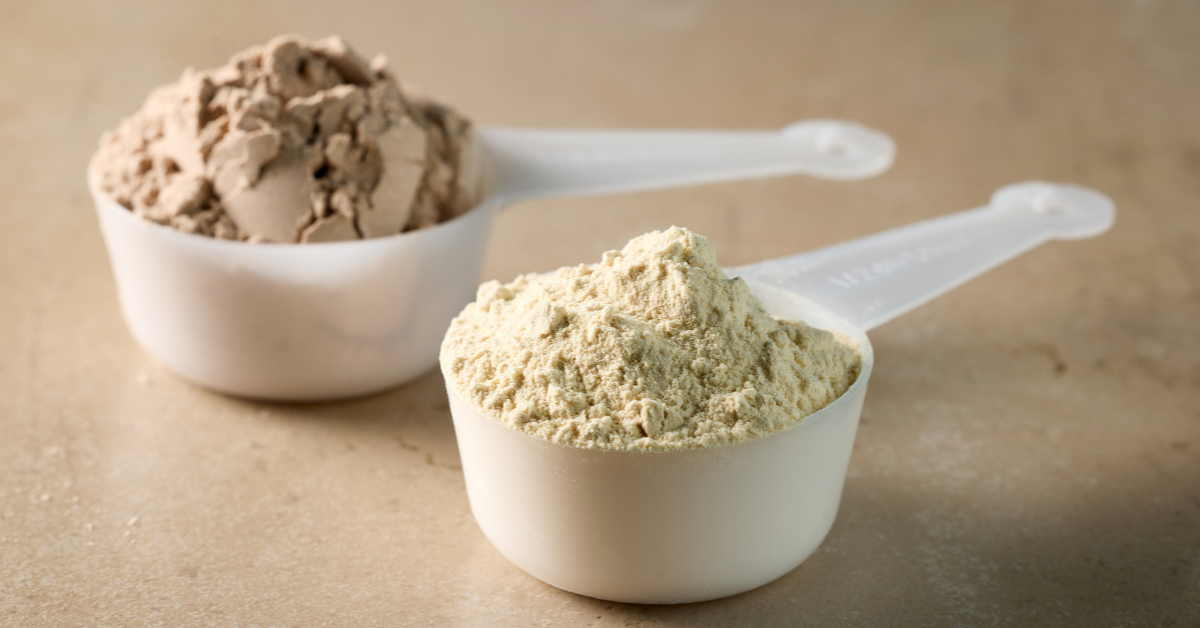
Both beef protein and casein build muscle. Both deliver 24-26g of complete protein per serving. But they're fundamentally different. Casein is a slow-digesting dairy protein that forms a gel in your stomach and trickles amino acids into your bloodstream over hours. Beef protein isolate is dairy-free, hydrolyzed for faster absorption, and carries zero lactose. Your choice comes down to dairy tolerance and dietary needs.
What Is Casein Protein?
Casein makes up about 80% of the protein in cow's milk. Whey is the other 20%. When people ask about casein protein vs. whey, the simplest answer is they're siblings — same source, different behavior.
What makes casein unique: it clumps. On purpose. When casein hits stomach acid, it forms a thick gel that digests slowly — releasing amino acids over 6-8 hours instead of the usual 1-2. This is why you'll hear it called "the nighttime protein." Drink a casein shake before bed, and your muscles get a slow drip of amino acids while you sleep.
A typical serving of casein protein powder delivers:
- 24g of protein
- ~120 calories
- 1g fat, 3g carbs
- Complete amino acid profile — all 9 essential amino acids
- Contains dairy, including lactose (less than whey concentrate, but not zero)
Casein works. But it's still dairy. If you have any degree of lactose intolerance or you're following a diet that excludes dairy, it's a non-starter — no matter how good the "slow-release" marketing sounds.
What Is Beef Protein Isolate?
We wrote a full deep-dive on what beef protein isolate actually is, so I'll keep this brief.
Beef protein isolate is made by hydrolyzing beef — breaking it down with enzymes into smaller peptides and amino acids, then stripping away the fat, cholesterol, and carbs. What's left is a concentrated protein powder that's dairy-free, lactose-free, and easy to absorb.
A typical serving of beef protein isolate gives you:
- 26g of protein
- ~120 calories
- 0g fat, 0g carbs
- Complete amino acid profile — all 9 essential amino acids
- Zero dairy, zero lactose, zero common allergens
It absorbs faster than casein but isn't as rapid as whey — quick enough for post-workout recovery, steady enough to keep you fueled between meals. No dairy required.
Beef Protein vs. Casein — Side-by-Side Comparison
Here's the table. Straight data, no editorializing.
| Factor | Beef Protein Isolate | Casein Protein |
|---|---|---|
| Protein per serving | 26g | 24g |
| Calories | ~120 | ~120 |
| Fat | 0g | 1g |
| Carbs | 0g | 3g |
| Complete protein? | Yes — all 9 EAAs | Yes — all 9 EAAs |
| Digestion speed | Moderate (1-2 hours) | Slow (6-8 hours) |
| Dairy | None | Yes (milk-derived) |
| Lactose | None | Present (reduced, but not zero) |
| Common allergens | None | Milk |
| Taste | Neutral (takes on flavor added) | Thick, creamy, slightly milky |
| Price per serving | $1.50-2.50 | $0.75-1.50 |
| Paleo compatible | Yes | No |
| Whole30 compatible | Yes | No |
| AIP compatible | Yes | No |
| Keto compatible | Yes | Yes |
| Carnivore compatible | Yes | No |
Two things jump off this table.
The dairy line is the dividing line. If dairy gives you any trouble — bloating, gas, skin breakouts, brain fog — beef protein isolate eliminates the variable entirely. About 68% of the world's population has some degree of lactose malabsorption (source: NIH). That's not a rare condition. That's the default human setting.
Digestion speed is the other key difference. Casein's slow-release mechanism is real — it genuinely does drip-feed amino acids over 6-8 hours. Beef protein absorbs at a moderate pace. Whether that slow-release benefit is actually worth prioritizing is a different question. We'll get to that.
When Should You Choose Beef Protein Over Casein?
You're dairy-sensitive or lactose intolerant
Casein is dairy. If dairy doesn't agree with you, the conversation is over. No amount of "casein has less lactose than whey" changes the fact that it still has lactose. For a lot of people, "less" isn't the same as "none."
You follow paleo, AIP, Whole30, or carnivore
All of these diets exclude dairy. Casein is automatically disqualified. Beef protein isolate is one of the few protein powders that's compliant across all four frameworks — because it's just beef, processed down to its protein.
Your gut reacts to dairy proteins
Here's something people miss: lactose isn't the only issue with dairy. Some people react to casein itself — the protein, not the sugar. A2 vs. A1 casein sensitivity is a real thing. If whey gives you problems and you assumed casein would be better because it has "less lactose," you might be blaming the wrong molecule. Switching to a non-dairy protein source eliminates both variables at once.
You want a short, clean ingredient list
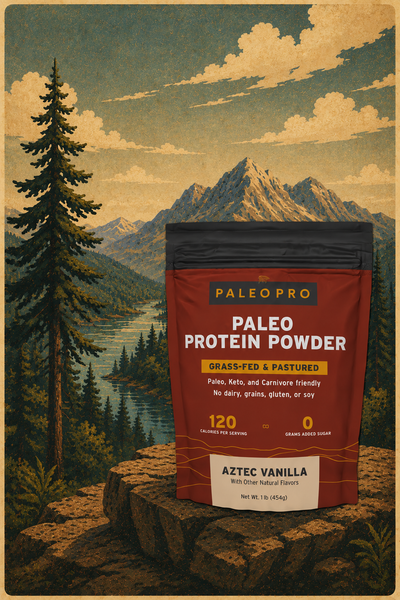
PaleoPro Paleo Protein Powder has four ingredients. Most casein powders have fifteen to twenty — including gums, thickeners, artificial sweeteners, and "natural flavors" that aren't particularly natural. If ingredient transparency matters to you, beef protein isolate products tend to run cleaner.
When Casein Might Be the Better Choice
I make beef protein. I'm also going to be honest with you, because that matters more than a sale.
You tolerate dairy perfectly fine
Some people drink milk, eat cheese, take whey, and feel great. If that's you, casein is a legitimate protein source. The research supports it. No reason to switch if your body is happy.
You specifically want slow-release protein
If you want a protein that delivers amino acids over a long window — before bed or before a long stretch without eating — casein's gel-forming mechanism genuinely does that. It's not marketing fiction. The protein literally curdles in your stomach and digests slowly. Whether that matters for your actual results is a separate question (more below), but the mechanism is real.
Budget is a factor
Casein is cheaper than beef protein isolate. Typical casein runs $0.75-1.50 per serving. Beef protein isolate runs $1.50-2.50. Grass-fed beef costs more than dairy byproduct. If budget is your primary constraint and dairy sits well with you, casein does the job for less money.
Does the "Slow-Release" Benefit of Casein Actually Matter?
This is the big question nobody in the casein market wants you to think too hard about.
The mechanism is real. Casein does form a gel. It does release amino acids over 6-8 hours. A 2009 study in the Journal of the American College of Nutrition confirmed that casein produced more sustained amino acid levels in the blood compared to whey (source: JACN). The science checks out on the how.
The practical benefit is where it gets murky. The question isn't whether casein releases amino acids slowly. It's whether that slow release produces better results than simply eating adequate protein throughout the day. And the research says: probably not for most people.
A 2017 systematic review in the Journal of the International Society of Sports Nutrition concluded that total daily protein intake is a much stronger predictor of muscle outcomes than protein timing or source (source: JISSN). Hitting your daily target of 1.6-2.2g per kilogram of bodyweight matters more than how fast each serving absorbs.
The practical take: if you eat protein at regular intervals throughout the day, your body already has a steady amino acid supply. Casein's slow-release is solving a problem that doesn't exist for most people who eat normally. Where it might matter: if you regularly go 10+ hours without eating and skip protein at dinner. That's a narrow scenario.
I'd rather you pick a protein your body tolerates well and drink it consistently than chase a digestion-speed benefit that makes a marginal difference at best.
The Bottom Line
Both are complete proteins that build muscle. Neither is "bad."
- Choose beef protein if you're dairy-free, lactose intolerant, following paleo/AIP/Whole30/carnivore, dealing with gut issues, or you want a minimal ingredient list.
- Choose casein if you tolerate dairy well, want slow-release overnight recovery, or need a cheaper per-serving option.
If you're on the fence: try a non-dairy protein for two weeks. If you feel better — less bloating, more energy, fewer gut complaints — you have your answer. A lot of people don't realize dairy was dragging them down until they stop.
If you want to try beef protein, PaleoPro Paleo Protein Powder is grass-fed beef protein isolate with four ingredients. Browse our full protein collection to find what fits, or read our beef protein vs. whey comparison for the full picture.
Frequently Asked Questions
Is casein better than whey for muscle building?
Not necessarily. Whey has higher leucine (~2.5g vs. ~2.0g per serving), giving it a slight edge for triggering muscle protein synthesis post-workout. Casein's advantage is sustained amino acid delivery over 6-8 hours. But when total daily protein intake is adequate — 1.6-2.2g per kilogram of bodyweight — the difference between them is minimal. Pick the one your body handles better.
Does casein have lactose?
Yes. Casein protein powder contains lactose — less than whey concentrate, but more than whey isolate in most cases. If you're lactose intolerant, casein is not a safe bet. "Reduced lactose" is not the same as "lactose-free." For a completely lactose-free protein option, beef protein isolate contains zero dairy of any kind.
Is beef protein better than casein for weight loss?
Neither has a clear advantage for weight loss. Both clock in around 120 calories per serving with 24-26g of protein. Weight loss comes down to calorie balance. The real question is which one you'll stick with — if casein causes bloating, you're less likely to use it consistently. Choose the one your body tolerates. Learn more about the benefits of beef protein powder beyond weight management.
Can you take casein and beef protein together?
Yes. There's no biochemical conflict. Some people use beef protein post-workout (faster absorption) and casein before bed (slow release). If you tolerate dairy, this is a reasonable approach. If you're using beef protein specifically because you avoid dairy, then mixing in casein defeats the purpose.
Is casein inflammatory?
It depends on your body. Some research suggests A1 beta-casein — the type in most conventional dairy — may trigger inflammatory responses in certain individuals. A2 casein (from A2 milk) appears better tolerated. If you have an autoimmune condition, your doctor may recommend eliminating casein during an elimination protocol. Beef protein isolate sidesteps this entirely — no casein, no dairy, no debate.
What's the best protein to take before bed?
Casein is the traditional answer — 6-8 hours of amino acid release while you sleep. But research suggests total daily protein matters more than timing. If you ate adequate protein at dinner, a bedtime shake of any complete protein works. If you regularly go to bed on an empty stomach, casein's slow-release has its strongest case. If you're dairy-free, beef protein isolate before bed still delivers 26g of complete protein your body will use overnight.
Is casein protein powder good for you?
For people who tolerate dairy, yes — it's a well-researched complete protein that supports muscle growth and recovery. The concerns are dairy sensitivity (which affects the majority of adults globally), potential A1 casein inflammatory responses, and the long ingredient lists many casein products carry. It's not "bad" — but it's not right for everyone. If you're unsure, remove dairy for two weeks and see how you feel. Your gut is a better judge than any label.
Want to explore how beef protein compares to other options? Read our beef protein vs. whey comparison, learn about what beef protein isolate actually is, or browse our protein products collection to find the right fit.
For the complete breakdown on beef protein — types, benefits, and who it's best for — read our Complete Guide to Beef Protein Powder.