What Is Beef Protein Isolate?
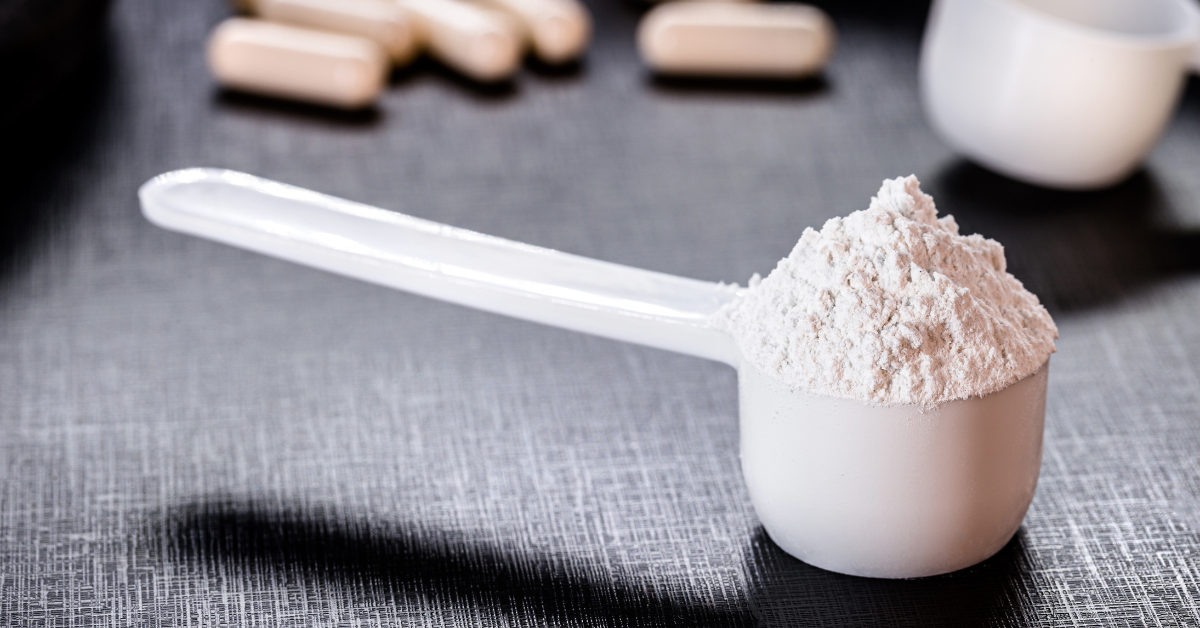
Beef protein isolate is a concentrated, usually hydrolyzed protein ingredient made from bovine material. Manufacturers use heat, water, enzymes, separation, concentration, and drying in processes that vary by supplier. The name does not identify the exact tissue source or prove a complete amino acid profile. Evaluate the finished product's source statement, amino acids, ingredients, and allergens.
That definition is less tidy than “steak in a scoop.” It is also more useful.

A disclosed grass-fed beef isolate and egg white blend with 26g complete protein per serving; contains egg.
How is beef protein isolate made?
Hydrolysis breaks proteins into smaller peptides. A manufacturer may prepare bovine material, release protein with heat or enzymes, separate protein-rich material from fat and other components, concentrate the liquid, and dry it into powder.
The sequence and specifications are not universal. “Hydrolyzed” tells you that peptide bonds were broken. “Isolate” tells you the product was concentrated. Neither word tells you which bovine tissues supplied the protein or what the final essential amino acid amounts are.
The useful definition is therefore process plus evidence: concentrated bovine protein whose finished composition must be checked product by product.
What part of the animal does it come from?
The category can use different bovine source materials. Some brands describe lean muscle and bone. Some use ingredients described as collagen-rich. Others name only “beef protein isolate.” Our beef protein powder brand comparison shows what each brand discloses.
Official product materials show the range:
- Equip says its Prime Protein uses beef from bone and lean muscle, with the majority from muscle.[1]
- Designs for Health describes its Bone Broth Protein ingredient as 78% to 84% hydrolyzed collagen.[2]
- True Nutrition publishes an amino acid profile high in glycine and proline for its beef isolate.[3]
Those are product-specific statements, not a formula for the whole category. One source description cannot be assigned to every beef protein isolate.
Is beef protein isolate a complete protein?
Some finished formulas are verified complete proteins; others need more evidence. The category name cannot settle the question.
A complete protein supplies all nine essential amino acids, including tryptophan, in adequate amounts. Collagen lacks tryptophan. A beef isolate with a large collagen contribution may contain some essential amino acids and still have a very different profile from meat, whey, or egg.
Use one of these checks:
| Evidence | What it can establish | Limitation |
|---|---|---|
| Full product-specific amino acid profile | Whether all essential amino acids are present and in what amounts | Must apply to the actual formula and serving |
| Complete protein added to the blend | The finished blend can be complete | Adds another protein and possibly an allergen |
| Brand statement without data | A claim to investigate | Does not permit an independent amino acid comparison |
| Category name alone | Bovine origin | Does not prove completeness |
PaleoPro combines grass-fed beef protein isolate with egg white protein and labels the finished blend as 26 grams of complete protein.[4] That is a formula-level answer, not proof that every beef isolate behaves the same way.
Read is beef protein a complete protein? for the amino acid decision in detail.
Is beef protein isolate the same as collagen?
No, but the categories can overlap. Collagen is a protein with a characteristic amino acid pattern rich in glycine, proline, and hydroxyproline and missing tryptophan. A beef isolate may contain collagen-derived peptides depending on its source material and process.
The practical distinction comes from the finished profile:
- A collagen product is incomplete and best treated as collagen-focused protein. Bone broth protein falls in the same camp; see bone broth protein powder: what is in the tub.
- A beef isolate with a published complete profile can serve as complete protein.
- A beef-and-egg blend can provide complete protein through the combined formula.
Avoid the opposite mistakes. Do not assume every beef isolate is collagen. Do not assume every beef isolate mirrors steak.
How does beef protein isolate compare with whey?
| Factor | Beef protein isolate | Whey isolate |
|---|---|---|
| Source | Bovine material; tissue mix varies | Milk |
| Dairy | Usually absent if no dairy ingredient is added | Yes |
| Complete protein | Verify product or blend | Generally complete |
| Amino acid profile | Variable by product | Typically rich in essential amino acids |
| Allergen issue | Finished formula may contain egg or another allergen | Contains milk |
| Best reason to choose | Dairy-free option when the verified profile fits | Complete milk protein when dairy fits |
In an eight-week resistance-training study, beef, chicken, and whey groups each increased lean body mass from baseline; strength increased with no differences between conditions.[5] That supports beef protein as a viable training option in the tested protocol. It does not prove universal equivalence among all beef isolates.
The beef protein versus whey guide covers diet fit, evidence, and label differences.
Is beef protein isolate dairy-free and allergen-free?
Beef protein isolate itself is not a milk protein. A finished powder can be dairy-free when it contains no whey, casein, milk solids, or other dairy ingredient.
Allergen-free is a different claim. Some beef powders add egg white protein. Others may use soy lecithin, peanut flavor, or a shared facility. PaleoPro contains egg white protein, so it contains egg and is not suitable for an egg allergy or AIP elimination.[4]
Read the exact flavor label and allergen statement. A category-level claim cannot clear an individual product for an allergy.
What should you look for on a label?
Use a short checklist:
- Source statement: Does the brand describe the bovine inputs?
- Protein amount: How many grams are in the labeled serving?
- Amino acids: Is there a product-specific profile including tryptophan?
- Other proteins: Egg, collagen, or another source may change completeness and allergens.
- Ingredients: Check sweeteners, flavors, emulsifiers, and gums.
- Allergens: Read intentional ingredients and facility statements.
- Testing: Look for product, lot, date, laboratory, and scope.
“Grass-fed” may answer a sourcing question. It does not answer these other six.
What is in PaleoPro's formula?
Paleo Protein Powder combines grass-fed beef protein isolate and egg white protein. The current product page states 26 grams of complete protein, about 120 calories, and 0 to 1 gram of carbohydrate per serving.[4]
Plain Naked has three ingredients and no sweetener. Aztec Vanilla and Mayan Mocha have five ingredients. Ancient Cacao has six, including cocoa powder. The three flavored formulas use monk fruit.
Every flavor contains egg. The blend is dairy-free but not free of every major allergen.
Beef protein isolate: key numbers
- Paleo Protein: 26g of protein per 30g scoop from grass-fed beef protein isolate plus egg white protein, with 120 calories, 1g of carbohydrate and 0g of sugars. Source: the Paleo Protein label, checked 2026-10-22.
- Beef Protein Isolate: 21g of protein (Ancient Cacao) or 23g (Aztec Vanilla) per 25g scoop, 100 calories, one protein source, sweetened with stevia leaf extract. Source: the Beef Protein Isolate label, checked 2026-10-22.
- Why the name alone proves little: collagen has no tryptophan, so a beef isolate with a large collagen share can carry plenty of protein grams and still fall short of complete protein (Paul et al., 2019, PMID 31096622).
- Beef versus whey in trials: a meta-analysis of 7 randomized trials (270 people) found no difference between beef and whey protein for lean mass or fat mass (Valenzuela et al., 2019, PMID 31242624).
- Leucine: lab analysis put leucine at 9.0% of milk protein and 7.0% of egg protein, against 7.6% for human skeletal muscle, the study's reference point. Beef protein isolate was not in that analysis, and there's no published leucine figure for ours (Gorissen et al., 2018, PMID 30167963).
The two beef isolate products we make, labels checked 2026-10-22:
| Product | Scoop | Protein | Calories | Protein sources | Sweetener | Egg in the ingredients? |
|---|---|---|---|---|---|---|
| Paleo Protein | 30g | 26g | 120 | Grass-fed beef protein isolate + egg white protein | Monk fruit; Plain Naked unsweetened; no stevia | Yes |
| Beef Protein Isolate, Aztec Vanilla | 25g | 23g | 100 | Beef protein isolate only | Stevia leaf extract | No |
| Beef Protein Isolate, Ancient Cacao | 25g | 21g | 100 | Beef protein isolate only | Stevia leaf extract | No |
Blend or single source: which one is for you
We make beef isolate two ways, and they do different jobs. Paleo Protein adds egg white so the finished scoop is labeled as complete protein, which is the answer to the completeness question this page keeps raising. Beef Protein Isolate is beef alone, with no egg on the ingredient list (the facility also handles egg, so it isn't for a serious egg allergy), and it's sweetened with stevia leaf. If stevia tastes bitter to you, that's the one to skip.
The bigger lever is how much you get at one sitting. In a dose-response study, the older men needed about 0.40g of protein per kilogram of body weight at a meal to max out muscle protein synthesis, against about 0.24g/kg for the younger men (Moore et al., 2015, PMID 25056502). For a 150-pound (68 kg) person that's roughly 27g. One scoop of Paleo Protein is 26g, so a scoop plus whatever's on the plate covers it. For the rest of the shelf, see our protein powder guide and the side-by-side in whey vs plant vs beef protein.
Frequently asked questions
Is beef protein isolate made from steak?
Do not assume so. Bovine source material varies by manufacturer and can include muscle, bone, connective tissue, or a combination. Ask for the brand's source statement and finished amino acid profile.
Is hydrolyzed beef protein easier to absorb?
Hydrolysis creates smaller peptides, but the degree of hydrolysis and finished formula vary. The word alone does not prove a universal absorption rate or digestive outcome.
Does beef protein isolate contain collagen?
It may contain substantial collagen-derived protein depending on source material and processing. A product-specific amino acid profile can show glycine, proline, hydroxyproline, tryptophan, and essential amino acid amounts.
Is beef protein isolate dairy-free?
It can be. Verify that the finished product has no milk-derived ingredient. Shared-facility language matters for people with severe milk allergy.
Is beef protein isolate egg-free?
Some products are. PaleoPro is not because it intentionally includes egg white protein. Check the exact product label.
Does beef protein isolate taste like beef?
Finished powders are generally neutral or flavored, but taste varies. Buy a smaller size or use a return policy rather than relying on a universal “no beef taste” claim.
Is beef protein isolate good for muscle building?
A formula with adequate complete protein can support a training diet. One trial found improvements in the beef, chicken, and whey groups under resistance training.[5] Training, total diet, dose, and the specific amino acid profile still matter.
Beef protein isolate is a processing category, not a nutritional guarantee. The finished amino acids and label tell you what is actually in the scoop.
If you want a finished beef-and-egg blend labeled as complete protein, see Paleo Protein Powder or compare the full protein collection. Purchases have a 60-day money-back guarantee.
Is beef protein isolate a complete protein?
It depends on the finished product, not the name. Collagen lacks tryptophan, so a beef isolate built largely from collagen-rich material can fall short. Look for a product-specific amino acid profile that includes tryptophan, or a second complete protein in the blend. Paleo Protein adds egg white for that reason and is labeled as 26g of complete protein per scoop.
What is the difference between beef protein isolate and hydrolyzed beef protein?
The words describe two different steps. "Isolate" means the protein was concentrated and separated from most of the fat and other material. "Hydrolyzed" means the protein was broken into smaller peptides. A beef isolate can be both, so look for each word on the label. Neither word tells you which tissue the protein came from or whether the finished powder is complete.
Is beef protein isolate keto-friendly?
Usually, because a well-made isolate carries very little carbohydrate. Check the flavored version you'd buy, since cocoa and flavor systems add a little. Paleo Protein lists 1g of carbohydrate and 0g of sugars per 30g scoop. Then count the scoop against your daily carbohydrate limit like any other food.
Sources
- Equip Foods. Prime Protein Help Center. Accessed 2026-09-17.
- Designs for Health. Bone Broth Protein patient education. Accessed 2026-09-17.
- True Nutrition. Grass-Fed Beef Protein Isolate. Amino acid table checked 2026-09-17.
- PaleoPro. Paleo Protein Powder. Product and flavor labels checked 2026-09-17.
- Sharp MH, et al. “The Effects of Beef, Chicken, or Whey Protein After Workout on Body Composition and Muscle Performance.” Journal of Strength and Conditioning Research. 2018;32(8):2233-2242. PubMed 28399016.
