Best Beef Protein Powder: What to Look For in 2026
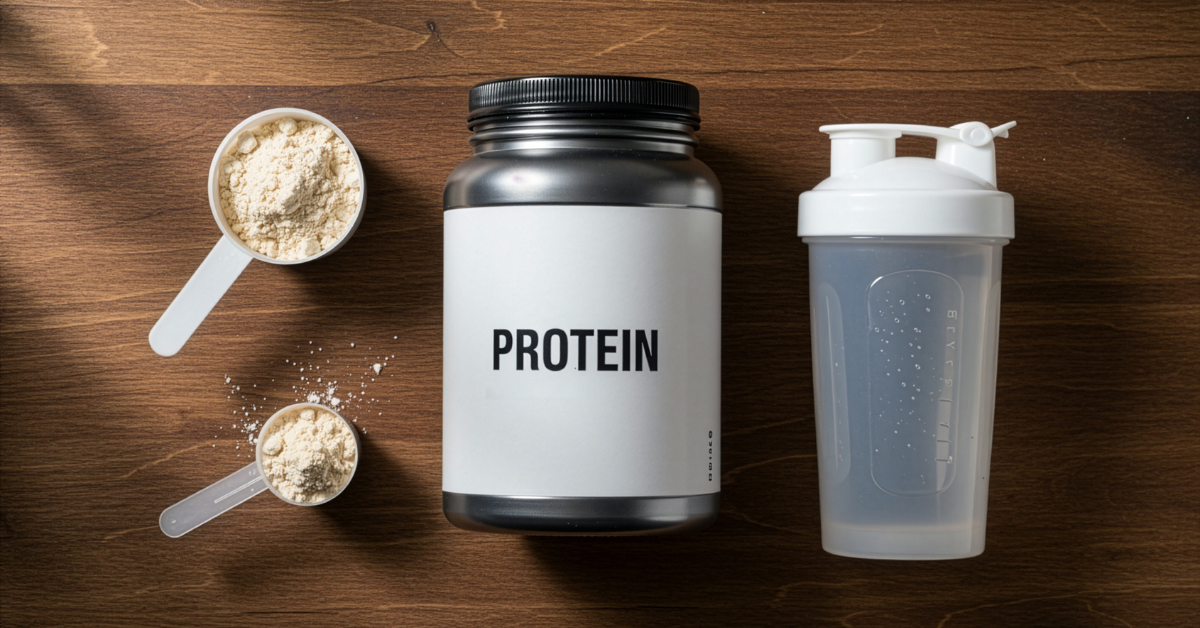
The best beef protein powder has five things: grass-fed sourcing, a short ingredient list (five items or fewer), genuine beef protein isolate — not repackaged collagen — third-party testing, and at least 20g of protein per serving. If a product hits all five, it's worth your money. If it doesn't, keep looking. Here's how to tell the difference between the real thing and clever marketing.
What Should You Look for in a Beef Protein Powder?
"Beef protein powder" has become a category where the label doesn't always match what's in the tub. Some products are exactly what they claim — concentrated protein from grass-fed beef, clean ingredients, nothing weird. Others are collagen peptides with a "beef protein" sticker on the front. And a few are so vague about their sourcing that you'd have better luck finding out where your Uber driver went to high school.
More people want dairy-free, paleo-friendly protein. That growth attracts companies more interested in riding a trend than making a good product. So you need a framework.
The 6 Things That Actually Matter
1. Grass-Fed, Pasture-Raised Sourcing
Where the beef comes from determines what ends up in your scoop.
Here's what most people don't know: the USDA withdrew its grass-fed marketing standard in 2016. There is no federal definition for "grass-fed" on a label. Any company can use the term. Nobody's checking.
What to look for: "100% grass-fed and finished" plus a specific origin claim. Third-party certifications like the American Grassfed Association add credibility. If the label just says "grass-fed" with no other detail, it's meaningless.
We go deeper on this in our piece on why grass-fed sourcing matters.
2. Short Ingredient List (5 or Fewer)
Flip the tub over and count the ingredients.
You want beef protein isolate, maybe egg white protein, a natural sweetener like monk fruit, and sunflower lecithin for mixability. That's it. Four or five items.
If the list is longer than a paragraph, something's wrong. Gums and thickeners fake a creamy texture. Artificial sweeteners cover up an off taste. "Proprietary blends" let a company hide ingredient amounts. Seed oils have no place in protein powder at all.
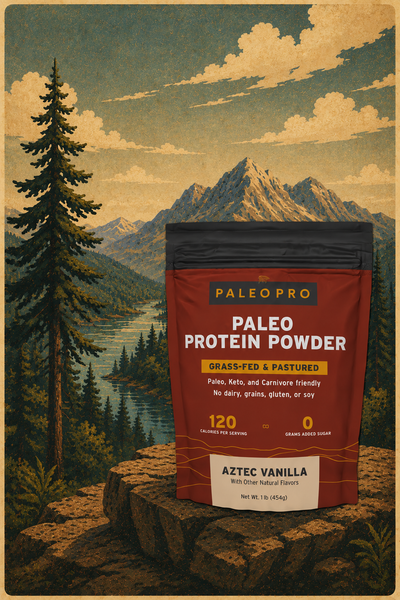
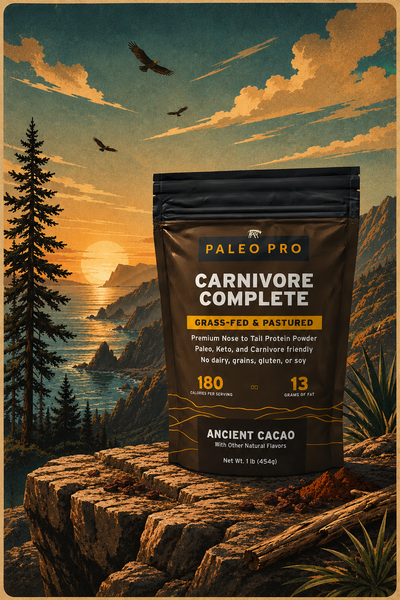
PaleoPro Paleo Protein Powder has four ingredients. Not because we're minimalists for the sake of it. Because four is all you need when the starting material is good.
3. Real Beef Protein Isolate — Not Disguised Collagen
This is the biggest quality problem in the category.
Some brands sell collagen peptides and label it "beef protein powder." Technically, collagen comes from beef — hides, bones, connective tissue. But calling collagen "beef protein" is like calling orange juice "fruit protein."
Collagen is an incomplete protein. It's missing tryptophan, one of the nine essential amino acids your body can't make. It's dominated by glycine (25-30%) and proline (12-15%). Great for skin and joint support. Not what you want for muscle recovery.
True beef protein isolate comes from beef muscle tissue and has a balanced amino acid profile — all nine essential amino acids, including tryptophan.
How to spot the difference: Check the amino acid profile. If glycine and proline dominate and tryptophan is absent, it's collagen wearing a costume. If the brand doesn't publish amino acid data at all, that tells you something too.
4. At Least 20g of Protein Per Serving
Quality beef protein isolate delivers 20-26g per serving. If a product falls below 20g, it's either diluted with fillers or using a tiny serving size to hide low protein density.
Watch the math. Some products use a 20g scoop instead of 30g so the numbers look reasonable on paper. Check grams of protein against total serving weight. For a legit beef protein isolate, protein should account for 85%+ of the total calories.
5. Third-Party Testing
The supplement industry is largely self-regulated. That's a polite way of saying nobody's making sure what's on the label is actually in the tub.
Third-party testing changes that. An independent lab verifies that the product contains what it claims, in the amounts it claims, without contaminants it shouldn't have. Look for NSF certification, Informed Sport, or batch-tested verification from a recognized lab.
If a brand won't show you their testing, ask yourself why. Companies that invest in quality are proud to prove it. Companies that don't... aren't.
6. Taste and Mixability (You Have to Actually Use It)
A protein powder can check every quality box and still be useless if it tastes terrible or mixes like wet cement.
Good products don't taste like beef. Chocolate tastes like chocolate. Vanilla tastes like vanilla. (I still get asked "does it taste like a burger?" weekly. It does not.)
Here's the real test: mix it with just water. Any powder tastes decent blended into a smoothie with banana and peanut butter. The water test reveals the actual flavor and texture. If it's drinkable with water alone, it'll be great with everything else.
Flavored versions are more convenient for shakes. Unflavored is more versatile for cooking and baking since it won't fight with other flavors.
Red Flags — What to Avoid
Not everything on a beef protein powder label is a selling point. Some things are warnings.
| Green Flags | Red Flags |
|---|---|
| "100% grass-fed and finished" | "Grass-fed" with no further detail |
| 4-5 ingredients | 10+ ingredients or "proprietary blend" |
| Beef protein isolate (complete amino acids) | "Beef protein" that's actually collagen |
| 20-26g protein per serving | Under 20g protein per serving |
| Third-party tested | No testing mentioned |
| Published amino acid profile | No amino acid data available |
| Natural flavoring or unflavored | Artificial colors, flavors, or sweeteners |
| No added sugars | Maltodextrin, dextrose, or added sugars |
| Specific sourcing information | "Sourced from multiple regions" |
Two worth emphasizing.
"Proprietary blend" means the company can list ingredients without disclosing amounts. There is no good reason for a protein powder to use one. They're hiding the numbers because the numbers aren't impressive.
Unrealistic claims. If a product says it's "10x more effective than whey," you're reading marketing copy from someone who thinks you won't check. The research on beef protein is solid (source: PMC). It doesn't need exaggeration.
How Does Beef Protein Powder Compare to Other Proteins?
Beef protein isn't the only option. Here's how it stacks up against the main alternatives.
| Factor | Beef Protein Isolate | Whey Isolate | Plant Protein (Pea/Rice) | Collagen | Egg White Protein |
|---|---|---|---|---|---|
| Protein/serving | 26g | 25g | 20-25g | 10-20g | 24g |
| Complete protein? | Yes | Yes | Usually requires blend | No (missing tryptophan) | Yes |
| Dairy-free | Yes | No | Yes | Yes | Yes |
| Common allergens | None | Milk | May contain soy, legumes | None | Eggs |
| Paleo/Whole30 | Yes | No | No | Yes | Yes (not AIP) |
| Gut tolerance | High | Varies | Varies (bloating common) | High | High |
| Price/serving | $1.50-2.50 | $0.75-1.75 | $1.00-2.00 | $1.00-2.00 | $1.25-2.00 |
| Best for | Dairy-free athletes, paleo dieters | Budget-conscious, dairy-tolerant | Vegan/vegetarian | Skin, joints, gut lining | Egg-tolerant, lean protein seekers |
The full story on beef protein vs. whey — including the research on muscle building and recovery — is in our detailed comparison. And if you want to understand the specific benefits of beef protein powder, we break those down separately with the studies to back them up.
Is Beef Protein Powder Worth the Price?
Honest answer: it costs more than basic whey. A quality beef protein isolate runs about $2-3 per serving. Whey is $1-2. Plant proteins land around $1.50-2.50.
Why the premium? Grass-fed cattle cost more to raise. Processing is more specialized. Production scale is smaller. You're paying for sourcing, not a marketing budget.
If you tolerate dairy fine, whey is a perfectly good protein at a lower price. No shame in that. But if you're dairy-sensitive — and roughly 68% of the global population has some degree of lactose malabsorption — the "cheaper" option costs you in bloating, gas, and discomfort. That's not a bargain.
I'd rather pay more for something that works than save money on something that sends me to the bathroom.
Frequently Asked Questions
What is the best beef protein powder brand?
The best brand is the one that checks all the boxes: 100% grass-fed and finished sourcing, a short ingredient list, real beef protein isolate (not collagen), third-party testing, and at least 20g of protein per serving. At PaleoPro, that's exactly what we built — four ingredients, grass-fed HydroBEEF, no fillers. But rather than taking any brand's word for it, flip the label over and compare. The best product in the category should be able to prove it.
Is beef protein powder better than whey?
It depends on your body and your goals. Both are complete proteins that build muscle. Whey has a slight leucine advantage. Beef protein wins on allergens, gut tolerance, and diet compatibility (paleo, Whole30, AIP). If you tolerate dairy well and budget is the priority, whey works. If dairy is a problem or you want cleaner sourcing, beef protein is the better call. We wrote a full comparison of beef protein vs. whey with the research.
Does beef protein powder taste like beef?
No. The hydrolysis process breaks beef down into amino acids and peptides — the "beef" flavor doesn't survive. Chocolate-flavored beef protein tastes like chocolate. Vanilla tastes like vanilla. Unflavored versions have a mild, neutral taste that disappears into smoothies. I've been drinking this stuff daily for years and it has never once tasted like a burger.
Is beef protein powder safe?
Yes. It's beef, processed into powder form. It's free of common allergens — no dairy, soy, or gluten — and has a strong safety profile with no significant adverse effects in the literature. As with any supplement, choose a product with transparent sourcing and third-party testing.
How do I know if my beef protein is actually collagen?
Check the amino acid profile. True beef protein isolate has a balanced amino acid profile with all nine essential amino acids, including tryptophan. Collagen is dominated by glycine (25-30%) and proline (12-15%) and is missing tryptophan entirely. If the brand doesn't publish an amino acid profile, that's a red flag. We explain the full difference in our piece on what beef protein isolate actually is.
What's the difference between beef protein concentrate and isolate?
Concentrate is 70-80% protein by weight and retains more fat and other non-protein components. Isolate goes through additional filtration to strip away nearly everything except protein, resulting in 90%+ purity with virtually zero fat and carbs. Isolate digests more easily (it's hydrolyzed) and delivers more protein per scoop. Most quality beef protein powders use isolate.
Can I use beef protein powder in cooking?
Yes. Beef protein handles heat well and works in baked goods, pancakes, and protein bars without curdling or clumping. Use unflavored for maximum versatility, and swap it in for about 25-30% of your dry ingredients (not a 1:1 flour replacement — it absorbs liquid differently). We've got some high-protein muffin recipes if you want a starting point.
Ready to see how the checklist holds up? PaleoPro Paleo Protein Powder is grass-fed HydroBEEF, four ingredients, third-party tested, and zero nonsense. Flip the label over and compare it to whatever's in your cabinet right now. Or browse our full protein collection to find the right fit.
Want to go deeper? Read our Complete Guide to Beef Protein Powder for the full breakdown on sourcing, nutrition, and how beef protein compares to the competition.