Best Protein Powder for Women: A Practical Buyer's Guide
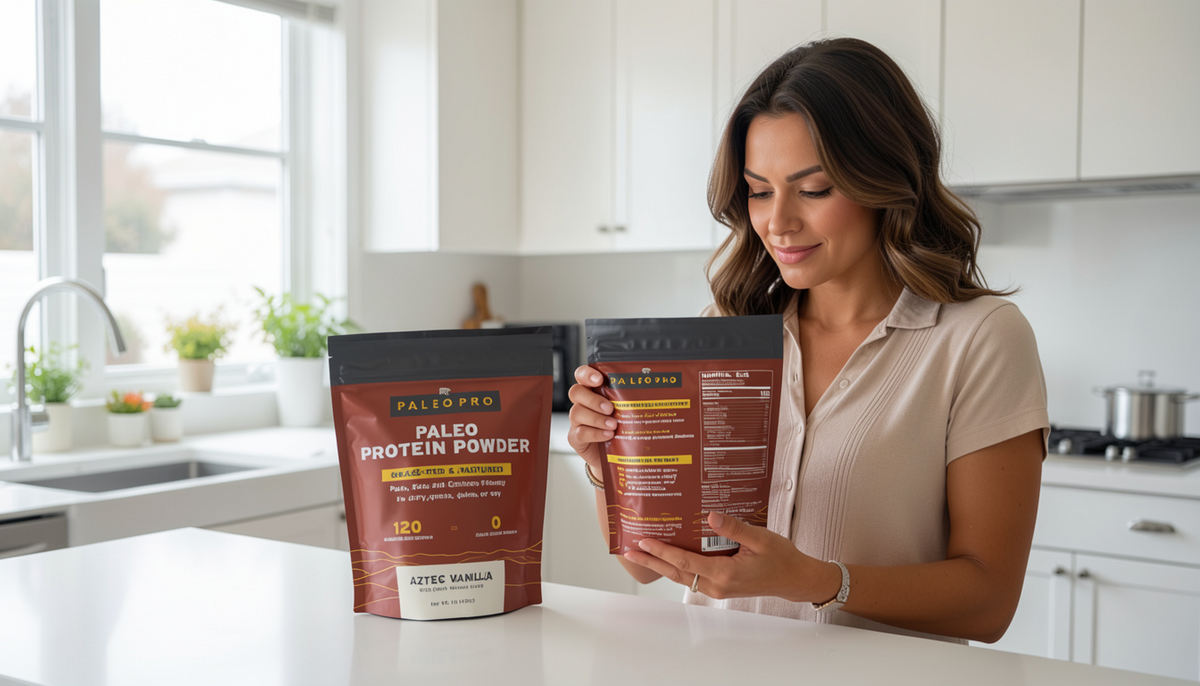
The best protein powder for women is a complete protein that fits your diet, allergens, goal, and routine. Women do not need a chemically different protein. Start with the source and serving, then compare the ingredients, testing, taste, and how the powder will close a real gap in your day.

26g of complete beef-and-egg protein, made without whey, casein, soy, gluten, or gums.
Do women need a special protein powder?
No. A package labeled “for women” does not change how amino acids work. The useful differences are personal: body size, activity, food intake, age, pregnancy or lactation, allergies, budget, and whether the powder is replacing a snack or supporting a meal.
The adult protein RDA is 0.8 grams per kilogram of body weight per day and is not sex-specific.[1] Exercising adults may benefit from more, depending on training and total diet.[2] Those numbers describe daily intake. They do not make one scoop or one brand right for everyone.
A useful powder should answer three questions:
- Does it provide the kind of protein your goal requires?
- Does the complete formula fit your allergens and preferences?
- Will you use it often enough for the convenience to matter?
What should women look for in protein powder?
Use this checklist before comparing front-label claims.
| Check | What to look for | Why it matters |
|---|---|---|
| Protein source | Whey, beef, egg white, soy, pea-and-rice, or collagen | Sources differ in amino acid profile and allergens |
| Serving | Protein grams, calories, carbohydrate, fat, and scoop weight | A large scoop can make a protein number look more impressive |
| Protein quality | Complete protein or a complementary blend | Daily protein and training require essential amino acids |
| Allergens | Milk, egg, soy, peanuts, tree nuts, and cross-contact language | “Women's” and “clean” do not answer allergen questions |
| Ingredient roles | Protein, flavor, sweetener, fiber, emulsifier, thickener | Each ingredient should have a clear purpose |
| Testing | Named certifier, current directory, or useful lot report | “Third-party tested” is incomplete without scope |
| Use | Shake, coffee, baking, post-training, or travel | The best texture depends on the job |
Do not use ingredient count as a safety score. A short formula is easier to inspect, but it does not prove protein quality or contaminant levels. Ask what was tested, by whom, and whether the result applies to the current product or lot.
Which protein source is best for women?
There is no universal winner. The source should fit the job.
Whey protein
Whey is complete, well studied, widely available, and often creamy. It contains milk protein. Whey isolate is usually lower in lactose than concentrate, but it remains a milk-derived ingredient.
Beef and beef-and-egg protein
Beef powders are made without milk, but their amino acid profiles vary with source and processing. Some are collagen-rich. Others publish a complete profile or add egg white protein. Verify the finished formula rather than treating the word beef as proof of completeness.
In a small eight-week resistance-training trial of 41 young adults using 46-gram servings, beef, chicken, and whey groups each increased lean body mass from baseline, with no difference in strength gains among protein conditions.[3] That supports the tested beef protein as an option, not a category-wide claim of superiority.
Egg white protein
Egg white protein is complete and dairy-free. It can foam in a blender and contains egg, a major allergen.
Soy and plant blends
Soy isolate is complete and contains soy, a major allergen.[6] A systematic review found no significant effect on its primary estrogen outcomes: estradiol, estrone, and sex hormone-binding globulin. Some secondary hormone measures changed in premenopausal women, and the authors said the clinical implications remained uncertain.[4]
Pea and rice are often paired because their amino acid patterns complement each other. Compare the blend, protein amount, texture ingredients, and sodium rather than assuming every plant powder is equivalent.
Collagen
Collagen lacks tryptophan and is not a complete-protein replacement. It can serve a collagen-specific goal, but it should not be the only protein you count on for training or general protein adequacy.
If you want collagen and complete protein in the same scoop, our guide to protein powder with collagen shows how to check the base protein first.
How much protein should a serving have?
Start with the gap you are trying to close. If breakfast already supplies eggs or another substantial protein, a smaller shake may be enough. If the powder is the main protein in a meal, a more substantial complete-protein serving may make sense.
Many powders provide roughly 20 to 30 grams per labeled serving. That range is a practical comparison point, not a rule that every woman must hit at every meal. Body weight, daily intake, age, and training change the decision.[2]
Use the scoop that comes with the actual product and check how many scoops make one serving. Then count the liquid and add-ins. Nut butter, fruit, oat beverages, and yogurt can change the nutrition more than the powder does.
For help estimating a personal daily target, read how much protein women need. It walks through the math and the factors that can change the result.
How should the goal change the choice?
Everyday convenience
Choose a complete protein you like in water, a simple shake, or the meal you routinely underbuild. Consistency matters more than buying a formula with a long list of claims.
Strength and muscle
Pick a complete protein or complementary blend and pair it with progressive resistance training. Powder supplies raw material; training supplies the reason to adapt. The protein powder guide for women building muscle covers that use case in more detail.
Weight management
Compare protein, calories, serving size, and everything added to the shake. Protein may support satiety and lean-mass retention during an energy deficit, but the powder does not create the deficit. The women's weight-loss protein guide explains how to compare the full shake for that goal.
Midlife and later years
Age can change total and per-meal protein needs, while resistance training remains central. Evidence in postmenopausal women supports whey as an adjunct to training in some outcomes, not a supplement-only answer.[5] The protein powder guide for women over 50 covers protein choices in midlife and beyond.
Pregnancy, lactation, or a medical condition
A general protein powder is not a prenatal product or medical nutrition formula. Review ingredients and supplement use with your clinician, especially during pregnancy or lactation or when kidney function, allergies, or medication interactions are relevant.
How do you choose between two powders?
Put the current labels side by side and work in this order:
- Eliminate any product that conflicts with a diagnosed allergy.
- Identify whether the protein is complete or appropriately blended.
- Compare protein and calories using the labeled serving, not one scoop by assumption.
- Decide whether you want dairy, dairy-free animal protein, plant protein, or collagen for a separate purpose.
- Read sweeteners, flavors, fibers, gums, and emulsifiers without turning unfamiliar names into automatic red flags.
- Verify the scope of certification or testing claims.
- Pick the flavor and format you will actually use.
Taste is not a minor detail. A technically excellent powder that stays in the cupboard does not close a protein gap.
Where does Paleo Protein fit?
For women who eat animal protein and want a dairy-free complete formula, Paleo Protein Powder combines grass-fed beef protein isolate with egg white protein. The current label lists 26 grams of complete protein, about 120 calories, and 0 to 1 gram of carbohydrate per serving.
It contains egg and is made without whey, casein, soy, gluten, or gums. Plain Naked is unsweetened; the flavored options use monk fruit. Those facts make it one option within the checklist, not the right answer for an egg allergy, a vegan diet, or someone who prefers whey.
Frequently Asked Questions
What is the best protein powder for women?
Choose a complete protein or complementary blend that fits your allergens, goal, serving needs, taste, and budget. A women's label is less useful than the actual protein source and ingredient panel.
Is whey protein good for women?
Yes. Whey is complete and well studied. It is a poor fit for a milk allergy and may not suit someone avoiding dairy or who does not tolerate the lactose in a specific product.
Is plant protein good for women?
It can be. Soy isolate is complete, while pea and rice are often paired. Check the finished blend, serving, allergens, sodium, fibers, and texture ingredients.
Will protein powder make women bulky?
Protein powder helps supply amino acids. Changes in strength and muscle depend on training, total diet, genetics, and time. A scoop does not determine body shape by itself.
Is collagen enough protein for women?
Collagen contributes protein but is incomplete because it lacks tryptophan. Use it for a collagen-specific purpose and keep complete proteins elsewhere in the diet.
What ingredients should women avoid in protein powder?
Avoid ingredients that conflict with a diagnosed allergy or medical plan. Beyond that, judge ingredient purpose, dose, personal tolerance, and testing rather than following a universal blacklist.
Can women drink protein powder every day?
Many women use a daily powder as a convenient food supplement. It should complement a varied diet, and anyone with a relevant medical condition should set protein intake with a qualified clinician.
Sources
- Institute of Medicine. Dietary Reference Intakes for Energy, Carbohydrate, Fiber, Fat, Fatty Acids, Cholesterol, Protein, and Amino Acids. 2005. National Academies Press.
- Jäger R, et al. “International Society of Sports Nutrition Position Stand: protein and exercise.” Journal of the International Society of Sports Nutrition. 2017;14:20. PMC.
- Sharp MH, et al. “The Effects of Beef, Chicken, or Whey Protein After Workout on Body Composition and Muscle Performance.” Journal of Strength and Conditioning Research. 2018;32(8):2233-2242. PubMed.
- Hooper L, et al. “Effects of soy protein and isoflavones on circulating hormone concentrations in pre- and post-menopausal women: a systematic review and meta-analysis.” Human Reproduction Update. 2009;15(4):423-440. PubMed.
- Kuo YY, et al. “Effect of Whey Protein Supplementation in Postmenopausal Women: A Systematic Review and Meta-Analysis.” Nutrients. 2022;14(19):4210. PubMed.
- U.S. Food and Drug Administration. Food Allergies: What You Need to Know.
