Dairy-Free Protein Powder: How to Choose the Right One
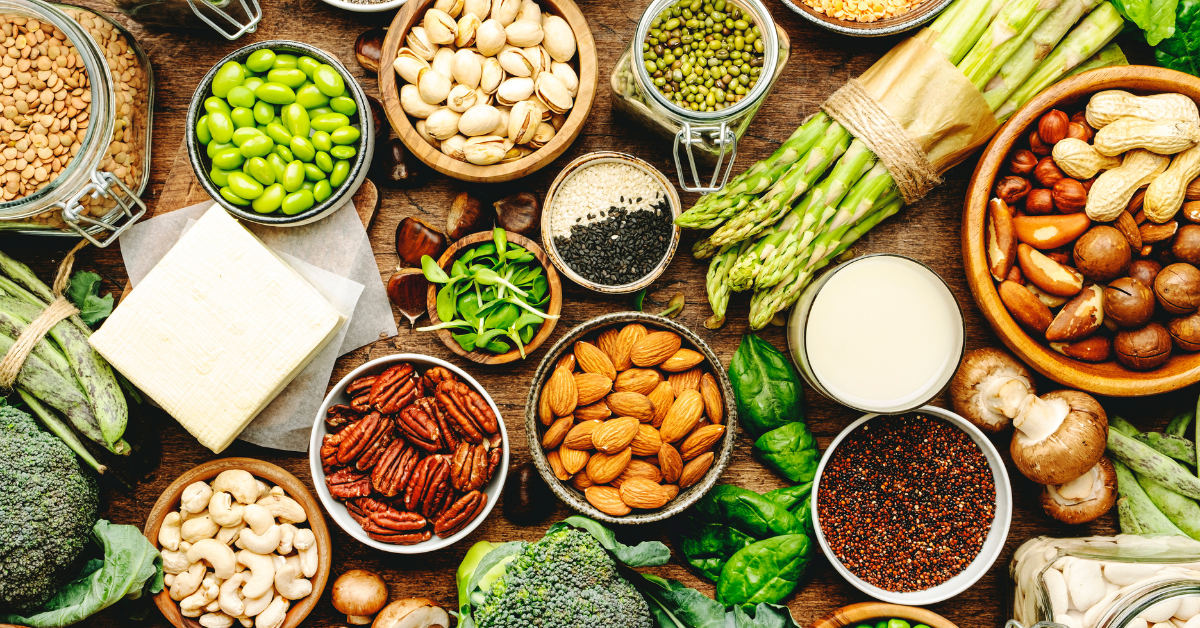
A dairy-free (non-dairy) protein powder contains no whey, casein, milk solids, or other milk ingredients, which also makes it lactose-free. Beef protein isolate, egg white, pea-and-rice blends, soy, and collagen can all qualify. The best one depends on why you avoid dairy, whether you need a complete protein, and which other allergens matter to you.
That sounds simple until you turn the bag around. “Lactose-free,” “non-dairy,” and “plant-based” answer different questions. Use the ingredient list and allergen statement to decide whether the powder fits your body.
What does dairy-free actually mean on a protein powder label?
Dairy-free means the formula does not use milk ingredients. That rules out whey, casein, milk protein concentrate, milk protein isolate, and ingredients such as nonfat dry milk. A product may still be made in a facility that handles milk, so people with a diagnosed milk allergy should also read the allergen statement and cross-contact warning.
Lactose intolerance and milk allergy are different. Lactose intolerance involves trouble digesting lactose, the sugar in milk. A milk allergy is an immune reaction to milk proteins. The National Institute of Diabetes and Digestive and Kidney Diseases explains that lactose intolerance can cause bloating, gas, diarrhea, nausea, and abdominal pain after foods containing lactose.[1] Someone with a milk allergy needs guidance from an allergist, because a low-lactose whey product still contains milk protein.
Start with the ingredient list, then check the allergen statement. Those two lines are more useful than whatever pastoral scene made it onto the front of the bag.

26g of complete protein from grass-fed beef isolate and egg white, with no whey, casein, or lactose.
Which types of dairy-free protein powder are available?
The useful choices fall into four groups: animal-based complete proteins, plant proteins, soy, and collagen. They are all dairy-free when formulated without milk ingredients, but they do different jobs.
| Protein type | Complete protein? | Main advantage | Main limitation | Best fit |
|---|---|---|---|---|
| Beef protein isolate | Usually, but check the amino acid profile | Animal protein without milk | Source and amino acid profile vary by manufacturer | Paleo or dairy-free buyers who eat animal foods |
| Egg white protein | Yes | Complete, dairy-free protein | Egg is a major allergen | People who tolerate eggs and want a simple whey replacement |
| Pea and rice blend | Can be complementary | Vegan and widely available | Texture and added ingredients vary | Vegan or vegetarian buyers |
| Soy protein isolate | Yes | Complete plant protein | Soy is a major allergen | Buyers who tolerate soy |
| Collagen peptides | No | Easy to mix; provides collagen amino acids | Missing tryptophan, so it should not be the sole protein source | People adding collagen alongside complete protein |
That distinction matters. “Twenty grams of protein” tells you the quantity. It does not tell you whether the product supplies all nine essential amino acids or whether the serving fits your actual goal.
Beef protein isolate
Beef protein isolate is hydrolyzed and filtered to concentrate protein while removing most fat and carbohydrate. Formulas differ. Some products are collagen-rich, while others combine beef isolate with another complete protein. Look for a published amino acid profile or a clear explanation of the blend rather than assuming every bag marked “beef protein” is nutritionally identical.
Beef protein can work well for someone who eats animal foods and wants protein powder without dairy. In an eight-week randomized resistance-training study, the beef, chicken, and whey groups each increased lean body mass from baseline. Strength increased with no differences between conditions.[2] One study cannot settle the category, though it does show that whey is not the only protein source worth considering.
Our complete guide to beef protein powder explains how labels and amino acid profiles differ within that category.
Egg white protein
Egg white protein contains all nine essential amino acids and is naturally free from milk and lactose. It has a mild flavor, though it can foam in a blender. It is unsuitable for anyone with an egg allergy and does not fit the elimination phase of the Autoimmune Protocol.
Egg white works on its own or in a blend. In PaleoPro Paleo Protein Powder, egg white complements grass-fed beef protein isolate. The current formula delivers 26 grams of complete protein per serving with no whey, casein, or lactose. Because it contains egg, it belongs in the “dairy-free” column, not the “allergen-free” column.
Pea, rice, and plant blends
Pea protein is low in methionine relative to many animal proteins, while rice protein is low in lysine. Blending them improves the overall amino acid pattern. In a 12-week resistance-training study, pea protein supported muscle thickness gains, though the study was funded by a pea-protein manufacturer and should be read with that limitation in mind.[3]
Plant powders are the clear choice for a vegan diet. Texture can be earthy or gritty, and some formulas use gums, fibers, or sweeteners to compensate. That is a formulation issue, not a verdict on all plant protein.
Soy protein isolate
Soy protein is dairy-free and complete. It is also a major allergen. A meta-analysis of 41 clinical studies in adult men found no significant effect of soy protein or isoflavones on the measured reproductive hormone levels.[4] If you tolerate soy and prefer plant protein, it is a legitimate option.
Collagen peptides
Collagen supplies glycine, proline, and hydroxyproline. It dissolves easily and fits a dairy-free diet, but it lacks tryptophan and is not a complete protein. Use collagen for its specific amino acid profile alongside meals or a complete protein powder. Do not ask it to carry your entire daily protein target.
What is the best non-dairy protein powder for your goal?
The best non-dairy protein powder matches your reason for avoiding dairy and the job the scoop has to do. Use this as a starting point, then check the label.
| Your priority | Strong non-dairy choices | Watch for |
|---|---|---|
| Daily protein or strength training | Beef-and-egg blends, egg white, soy isolate | Egg and soy are major allergens |
| Vegan diet | Soy isolate, pea-and-rice blends | Texture additives and serving size |
| Egg allergy | Beef protein isolate, pea-and-rice, soy | Cross-contact statements |
| Low-carb or keto | Unflavored beef, egg white, or plant isolates | Carbohydrate in flavored versions |
| Sensitive digestion | Short formulas without inulin or sugar alcohols | Change one variable at a time |
| Collagen for skin or joints | Collagen peptides, alongside a complete protein | Collagen is not a complete protein |
If you tolerate eggs and want an animal protein, our beef protein powder brand comparison lays out seven beef options side by side. If carbohydrate is the constraint, the keto protein powder guide covers net carbs.
How do you choose the best dairy-free protein powder?
Choose the powder by the job it needs to do, then use the label to screen for ingredients you tolerate.
- Define the job. For daily protein or resistance training, choose a complete protein or a well-designed complementary blend. For collagen intake, choose collagen and keep complete proteins elsewhere in the day.
- Read the full ingredient list. Look for milk-derived ingredients, sweeteners, gums, fibers, and flavor carriers.
- Check the allergen statement. Dairy-free does not mean free from egg, soy, nuts, or cross-contact with milk.
- Compare protein per serving. A large scoop can make a weak protein percentage look impressive. Compare the protein grams with the serving weight.
- Check independent testing. A current certificate of analysis or recognized third-party program can add confidence about contaminants and label accuracy.
- Buy for repeat use. Taste, texture, price, and digestion decide whether the bag becomes breakfast or pantry archaeology.
For an animal-based option, Paleo Protein Powder combines grass-fed beef protein isolate and egg white protein. The current label lists three to six ingredients depending on flavor, 26 grams of protein, about 120 calories, and 0 to 1 gram of carbohydrate per serving. Plain Naked has no sweetener; flavored versions use monk fruit.
Is dairy-free the same as lactose-free?
No. Dairy-free removes milk ingredients. Lactose-free only addresses lactose, the milk sugar. A lactose-free dairy product may still contain whey or casein, which matters for a milk allergy and for diets that exclude dairy proteins.
Whey isolate generally contains less lactose than whey concentrate, and some people with lactose intolerance tolerate it. Tolerance varies with the product, serving size, and individual lactase activity. Our separate guide on whether whey protein contains lactose covers that narrow question in detail without turning this page into a lactose encyclopedia.
If avoiding dairy is the requirement, choose a protein that was never made from milk. If only lactose is the issue, you have more options and may want to test tolerance with a clinician's guidance.
What is the best lactose-free protein isolate for the gym?
For training, pick a lactose-free isolate that is also a complete protein and delivers 20 to 40 grams per serving, the range the International Society of Sports Nutrition associates with a strong muscle-building response.[5] Whey isolate is low in lactose and some people with lactose intolerance tolerate it, but it is still milk protein. If you want no dairy at all, beef-and-egg blends, egg white protein, and soy isolate are lactose-free by definition.
Compare the full amino acid profile when muscle is the goal. Some beef isolates are collagen-rich and lower in leucine; a blend with egg white or a published amino acid table removes the guesswork. Our lactose-free protein powder guide goes deeper on the lactose question, and beef protein versus whey compares the two most common gym options.
Which dairy-free protein powders fit common diets?
Diet labels do not replace ingredient checks. Flavor systems can change an otherwise compatible protein.
| Diet | Usually compatible options | What to check |
|---|---|---|
| Vegan | Pea, rice, soy, hemp, plant blends | Vitamin or flavor ingredients derived from animals |
| Paleo | Beef, egg white, collagen | Sweeteners and additives under your version of paleo |
| Keto | Beef, egg white, whey-free plant isolate, collagen | Net carbohydrate per serving and total daily carbohydrate target |
| Whole30 | Unsweetened meat, egg, or collagen powders | The current program rules and all sweeteners during elimination |
| AIP elimination | Plain collagen or an egg-free beef product | Eggs, seeds, sweeteners, and other excluded ingredients |
| Carnivore | Unflavored animal proteins | Plant-derived flavors, sweeteners, and emulsifiers under your level of strictness |
Paleo Protein Powder contains egg white, so it is not appropriate during AIP elimination. Plain Naked fits many paleo, keto, and Whole30 ingredient rules, but program rules can change. Check the current rules when formal compliance matters.
Which dairy-free protein powders are also gluten-free and soy-free?
Beef, egg white, pea, and rice proteins contain no gluten or soy as protein sources, so a powder built on them can check all three boxes. The finished formula decides the answer. Flavor systems, fillers, and shared equipment can add gluten or soy back in.
- Gluten-free: In the United States, a "gluten-free" label means the food contains less than 20 parts per million of gluten.[6] A label claim tells you more than an assumption about the protein source.
- Soy-free: Soy protein isolate is out. Check for soy lecithin, a common emulsifier; sunflower lecithin does the same job without soy.
- Dairy-free: Confirm there is no whey, casein, or milk solids, and read the cross-contact statement if you have a milk allergy.
Paleo Protein Powder is made without dairy, soy, or gluten and uses sunflower lecithin. It contains egg. For more on the gluten question, see our gluten-free protein powder guide.
What should you avoid in a dairy-free protein powder?
Avoid ingredients that conflict with your own needs. A gum is not automatically bad, a long ingredient list is not automatically unsafe, and a plant protein is not automatically gentler than an animal protein. Those shortcuts are easier than reading the label, but they are less useful.
Pay attention to:
- Milk derivatives: whey, casein, milk protein, milk solids, and sodium caseinate.
- Major allergens: egg, soy, peanut, tree nut, and manufacturing cross-contact statements.
- Sweeteners you dislike: monk fruit, stevia, sucralose, sugar alcohols, or added sugar.
- Fermentable fibers: inulin and chicory root can cause gas or bloating for some people.
- Protein percentage: compare protein grams with total serving weight.
- Missing detail: vague sourcing and no accessible testing deserve questions before purchase.
If digestive comfort drove the switch, change one variable at a time. A new protein, new sweetener, and new fiber blend all at once make it hard to learn what your body tolerates.
How do you make a dairy-free protein shake taste good?
Start with cold liquid and a shaker or blender. Water keeps the flavor clear. Unsweetened almond, coconut, oat, or soy milk adds body, but each changes allergens and carbohydrate content. Add half a banana, frozen berries, nut or seed butter, cocoa, coffee, or cinnamon according to your diet.
Powders absorb liquid differently. Begin with the amount on the label, shake, wait 30 seconds, then adjust. More water fixes many texture complaints. A blender fixes the rest and creates one more thing to wash.
Frequently Asked Questions
What is the best dairy-free protein powder?
The best dairy-free protein powder matches your diet, allergens, protein goal, and taste. Beef or egg white works well for complete animal protein. A pea-and-rice blend suits a vegan diet. Collagen has a narrower role and should accompany complete protein.
Is dairy-free protein powder good for building muscle?
Yes, if it supplies enough total protein and essential amino acids alongside resistance training. Beef, egg white, soy, and well-designed plant blends can all contribute. Training, daily protein intake, and consistency matter more than choosing whey by default.
Does dairy-free mean lactose-free?
A truly dairy-free formula is also lactose-free because it contains no milk ingredients. The reverse is not always true. Lactose-free dairy can still contain milk proteins such as whey or casein.
Can a dairy-free protein powder still cause bloating?
Yes. Pea protein, sugar alcohols, inulin, gums, or a large serving can bother some people. Dairy-free removes one possible trigger. It does not guarantee universal digestive comfort.
What is the best non-dairy protein powder for building muscle?
Choose a complete non-dairy protein with 20 to 40 grams per serving: a beef-and-egg blend, egg white, or soy isolate. Pea-and-rice blends can work when the serving is large enough. Pair it with resistance training and enough total daily protein.
Is there a protein powder that is dairy-free, gluten-free, and soy-free?
Yes. Powders built on beef, egg white, pea, or rice protein can be free of all three. Confirm the finished label, look for sunflower rather than soy lecithin, and check cross-contact statements if you have an allergy.
Is collagen enough as a daily protein powder?
Collagen contributes protein but lacks tryptophan, an essential amino acid. Use it alongside complete proteins rather than as your only protein supplement.
Is egg white protein dairy-free?
Yes. Eggs are not dairy. Egg white protein contains no milk or lactose, though it remains unsuitable for people with an egg allergy.
Is a dairy-free label enough for a severe milk allergy?
No. Read the allergen statement and cross-contact warning, and ask the manufacturer when the label is unclear. A clinician or allergist can help assess products for a diagnosed milk allergy.
Want a complete animal protein without whey or casein? See Paleo Protein Powder, then compare the rest of our protein collection. Every purchase is covered by PaleoPro's 60-day money-back guarantee.
Sources
- National Institute of Diabetes and Digestive and Kidney Diseases. “Symptoms & Causes of Lactose Intolerance.” NIDDK.
- Sharp MH, et al. “The Effects of Beef, Chicken, or Whey Protein After Workout on Body Composition and Muscle Performance.” Journal of Strength and Conditioning Research. 2018. PubMed.
- Babault N, et al. “Pea proteins oral supplementation promotes muscle thickness gains during resistance training.” Journal of the International Society of Sports Nutrition. 2015. PMC.
- Reed KE, et al. “Neither soy nor isoflavone intake affects male reproductive hormones.” Reproductive Toxicology. 2021. PubMed.
- Jäger R, et al. "International Society of Sports Nutrition Position Stand: protein and exercise." Journal of the International Society of Sports Nutrition. 2017. PMC.
- U.S. Food and Drug Administration. 21 CFR §101.91: Gluten-free labeling of food.
