Hydrolyzed Beef Protein: What It Is and Who It's For
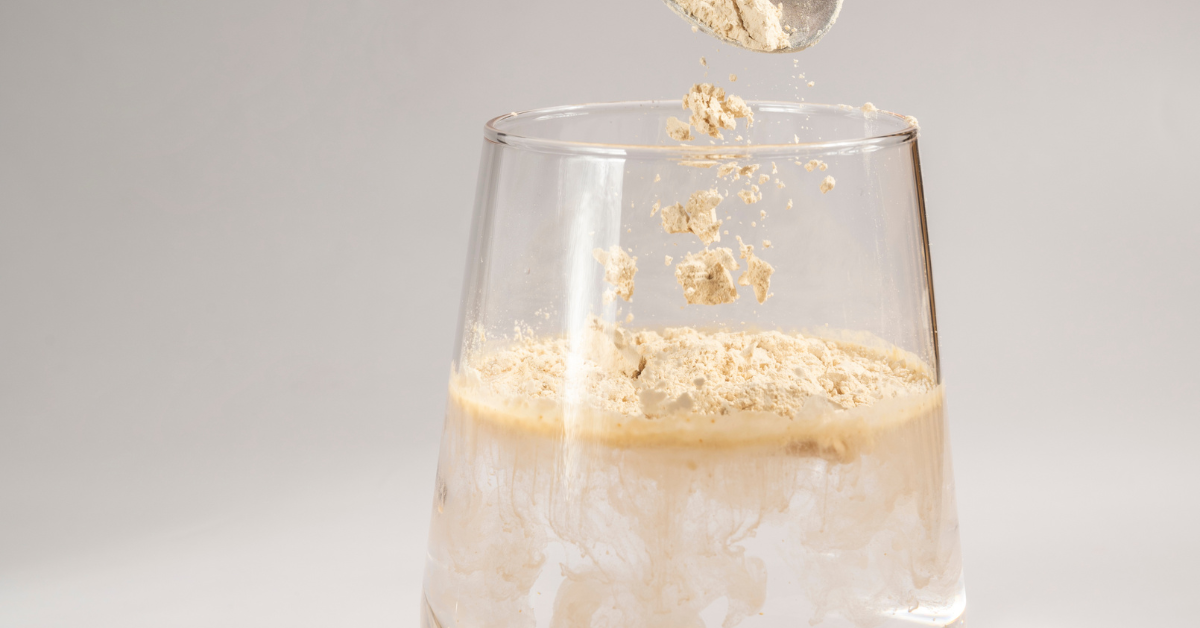
Hydrolyzed beef protein is beef protein that's been enzymatically broken down into smaller peptides and amino acids. That's it. The process makes it faster to absorb and easier to digest. It's the same protein you'd get from a steak — just in a form your body can use more quickly, without having to do all the heavy lifting during digestion.
If you've seen "hydrolyzed" on a label and assumed it meant something sketchy — fair. But hydrolysis is one of the most basic processes in biology. Your stomach does it every time you eat.
What Does "Hydrolyzed" Actually Mean?
Hydrolysis literally means "breaking with water." In practice, it's the process of using water and enzymes to split large protein molecules into smaller pieces — peptides and individual amino acids.
When you eat a steak, your stomach produces enzymes that chop the protein into progressively smaller pieces until they're small enough to cross your intestinal wall into your bloodstream. That's digestion. It works. It just takes a while.
Hydrolyzed protein is that same process done in advance. The enzymes do the cutting before the protein reaches your gut.
Here's the progression:
- Whole protein (large, intact molecules) →
- Peptides (shorter chains of amino acids) →
- Free amino acids (individual building blocks, ready for absorption)
Your body needs to get from step one to step three every time you eat protein. Hydrolysis starts you at step two. That's the entire concept.
This isn't weird or unnatural. It's the same chemistry that happens in your digestive tract after every meal. The protein just shows up pre-cut. Like ordering a steak that's already been sliced into bite-sized pieces. Same steak. Less chewing.
How Is Hydrolyzed Beef Protein Made?
The manufacturing process is straightforward once you see it laid out.
Step 1: Start with beef. Real beef from grass-fed cattle — lean tissue trimmed and prepared for protein extraction. What goes in determines what comes out. Grass-fed, pasture-raised is a different starting point than feedlot beef.
Step 2: Add enzymes. Protease enzymes break the protein bonds — the same class of enzymes your pancreas produces during normal digestion. They cleave long protein chains into shorter peptides and free amino acids.
Step 3: Remove everything that isn't protein. Through ultrafiltration and microfiltration, the fat, moisture, cholesterol, and other non-protein components get separated out. This is what takes it from a beef extract to a protein isolate — you're isolating the protein from everything else.
Step 4: Concentrate and dry. The purified protein solution is spray-dried into a fine powder. End result: 90%+ pure protein by weight, with a complete amino acid profile that mirrors whole beef.
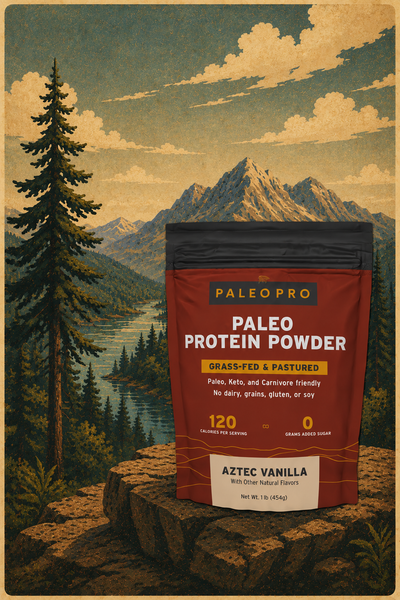
A note on HydroBEEF. You'll see this name on our label. HydroBEEF is a branded form of hydrolyzed beef protein isolate, made from grass-fed Swedish beef using a specific hydrolysis and filtration process. It's not a different product category — it's a trademarked version of the same thing with defined sourcing and quality standards. PaleoPro uses HydroBEEF in our Paleo Protein Powder because it meets the standards we'd set anyway.
The name sounds like a science experiment. It's beef. We broke it down so your gut doesn't have to.
What Are the Benefits of Hydrolyzed Protein?
The hydrolysis process creates a few practical advantages over non-hydrolyzed protein.
Faster absorption. Smaller peptides cross the intestinal wall more efficiently than large, intact protein molecules. Research on hydrolyzed proteins shows they appear in the bloodstream faster than their non-hydrolyzed counterparts.
Easier digestion. This is the bigger deal for most people. Because the protein arrives pre-broken-down, there's less digestive work required — which means less GI discomfort, less bloating, and less of that heavy feeling some protein powders leave behind. If you've got a sensitive gut, this matters.
High protein purity. Hydrolyzed beef protein isolate is typically 90%+ protein by weight. Most of the fat, carbs, and non-protein material has been filtered out.
Low in fat and carbs. The filtration process strips these out. A serving of hydrolyzed beef protein isolate delivers roughly 26g of protein with virtually zero fat and zero carbs.
No lactose, no dairy. It's beef. Not milk. If dairy makes your stomach protest, this isn't in the same category as whey. For the full comparison, we laid it out in beef protein vs. whey.
One honest note: the absorption speed difference between hydrolyzed and non-hydrolyzed protein is real, but it's modest. You're not going to notice a dramatic difference in muscle recovery because your protein digested 15 minutes faster. The more meaningful benefit is digestibility — less gut distress, especially for people whose digestion is already compromised.
Hydrolyzed Beef Protein vs. Regular Beef Protein — Is There a Difference?
Yes, but it's a difference in processing, not in the protein itself.
"Regular" beef protein extract (non-hydrolyzed) contains larger, intact protein molecules. Hydrolyzed beef protein has been pre-broken down into smaller peptides. Same source material. Different particle size.
| Factor | Hydrolyzed Beef Protein | Non-Hydrolyzed Beef Protein |
|---|---|---|
| Protein source | Beef | Beef |
| Molecule size | Small peptides + free amino acids | Larger intact proteins |
| Absorption speed | Faster | Slower |
| Digestibility | Easier on the gut | May cause more GI work |
| Protein purity | 90%+ typical | Varies — often lower |
| Complete protein? | Yes — all 9 EAAs | Yes — all 9 EAAs |
| Common uses | Protein powders, supplements | Protein powders, food products |
Here's the practical reality: most quality beef protein powders on the market are already hydrolyzed. It's the standard processing method for beef protein isolate. If you're buying a reputable beef protein powder, you're almost certainly getting hydrolyzed protein whether or not the label emphasizes it.
Is Hydrolyzed Beef Protein the Same as Collagen?
No. And this confusion comes up constantly, so let's put it to rest.
Both hydrolyzed beef protein and hydrolyzed collagen use the hydrolysis process — that's where the "hydrolyzed" label comes from. But that's where the similarity ends. The source material is completely different, and so is what you get.
- Hydrolyzed beef protein comes from beef muscle tissue. It has a complete amino acid profile with all nine essential amino acids, including tryptophan.
- Hydrolyzed collagen comes from connective tissue — skin, bones, tendons, cartilage. It's dominated by glycine (25-30%), proline, and hydroxyproline. It's missing or nearly missing tryptophan, which makes it an incomplete protein.
Same process. Different starting materials. Completely different nutritional profiles.
Some brands blur this line — intentionally or not — by labeling collagen products as "beef protein." Technically collagen can come from beef. But calling collagen "beef protein" is misleading. If you're buying protein for muscle recovery and complete amino acid coverage, collagen won't get you there. Check the amino acid profile. If glycine dominates and tryptophan is absent, it's collagen. We separate the collagen-rich formulas from the complete ones in our comparison of beef protein powder brands.
We wrote a full breakdown of this distinction in our article on what beef protein isolate actually is.
Who Should Use Hydrolyzed Beef Protein?
Hydrolyzed beef protein works for anyone who uses protein powder. But it specifically solves problems for a few groups.
People with sensitive digestion or gut issues. The pre-broken-down peptides require less digestive effort. If regular protein powders leave you bloated or uncomfortable, hydrolyzed beef protein is worth trying.
Anyone on paleo, AIP, Whole30, or carnivore diets. It's animal-sourced, dairy-free, and compatible with every elimination-style diet. Most protein powders fail at least one of these filters.
People recovering from surgery or illness. When your digestion is compromised — from surgery, medication, illness, or just stress — a protein that arrives partially pre-digested puts less strain on a system that's already working overtime. I started using beef protein when I was recovering and my digestion was shot. That's not a marketing story. That's why this company exists.
Athletes who want fast post-workout absorption. The smaller peptide size means faster delivery of amino acids to your muscles after training. If post-workout timing matters to your protocol, hydrolyzed has a slight edge.
People who bloat from whey or other dairy proteins. If you've been blaming protein powder in general for your gut issues, the problem might be dairy — not protein. Hydrolyzed beef protein removes that variable entirely. For more on this, read our comparison of beef protein vs. whey.
If you're looking for a hydrolyzed beef protein you can actually trust, PaleoPro Paleo Protein Powder uses grass-fed HydroBEEF, four ingredients, and nothing you need to Google. Or browse our full protein collection to find what fits how you eat.
Frequently Asked Questions
Is hydrolyzed protein better than regular protein?
It's easier to digest and absorbs slightly faster — but both deliver the same amino acids. If your gut is healthy, non-hydrolyzed protein works fine. If your stomach is sensitive or you want faster post-workout absorption, hydrolyzed has a practical edge.
What is HydroBEEF?
HydroBEEF is a branded hydrolyzed beef protein isolate ingredient made from grass-fed Swedish beef. It's the specific form of hydrolyzed beef protein used in PaleoPro Paleo Protein Powder. Think of it like a brand name for a specific, quality-controlled version of hydrolyzed beef protein — same category, defined standards.
Does hydrolyzed protein taste different?
It can. Shorter peptides sometimes have a slightly more bitter flavor profile. But quality matters enormously. Well-made hydrolyzed beef protein tastes like whatever flavor it is — chocolate, vanilla, or plain. Not beef.
Is hydrolyzed beef protein safe?
Yes. It's beef, processed into smaller pieces using enzymes identical to the ones your own stomach produces. Nothing synthetic about it. No significant adverse effects in the research literature. It's even compatible with AIP — a diet specifically designed for people with sensitive immune systems.
Is hydrolyzed whey the same as hydrolyzed beef?
No. Same process, completely different source material. Hydrolyzed whey is dairy protein broken into smaller peptides. Hydrolyzed beef is beef protein broken into smaller peptides. Whey still contains dairy allergens even when hydrolyzed. If you're avoiding dairy for any reason — lactose intolerance, autoimmune protocol, paleo — hydrolyzed whey still won't work for you.
Can you cook with hydrolyzed beef protein?
Yes. The amino acids are heat-stable, so it works in baked goods, pancakes, protein bars, and anything that involves heat. It handles cooking better than some whey proteins, which can clump at high temperatures. Unflavored is most versatile since it won't compete with other flavors. For ideas, check out our grass-fed protein powder guide and the benefits of beef protein.
Want to try hydrolyzed beef protein for yourself? PaleoPro Paleo Protein Powder is made with grass-fed HydroBEEF — one ingredient you can't pronounce, zero ingredients you need to worry about. Explore our full protein collection to find the right fit.
Want the bigger picture? Read our Complete Guide to Beef Protein Powder for the full breakdown on types, benefits, and how to choose.