Is Beef Protein a Complete Protein?
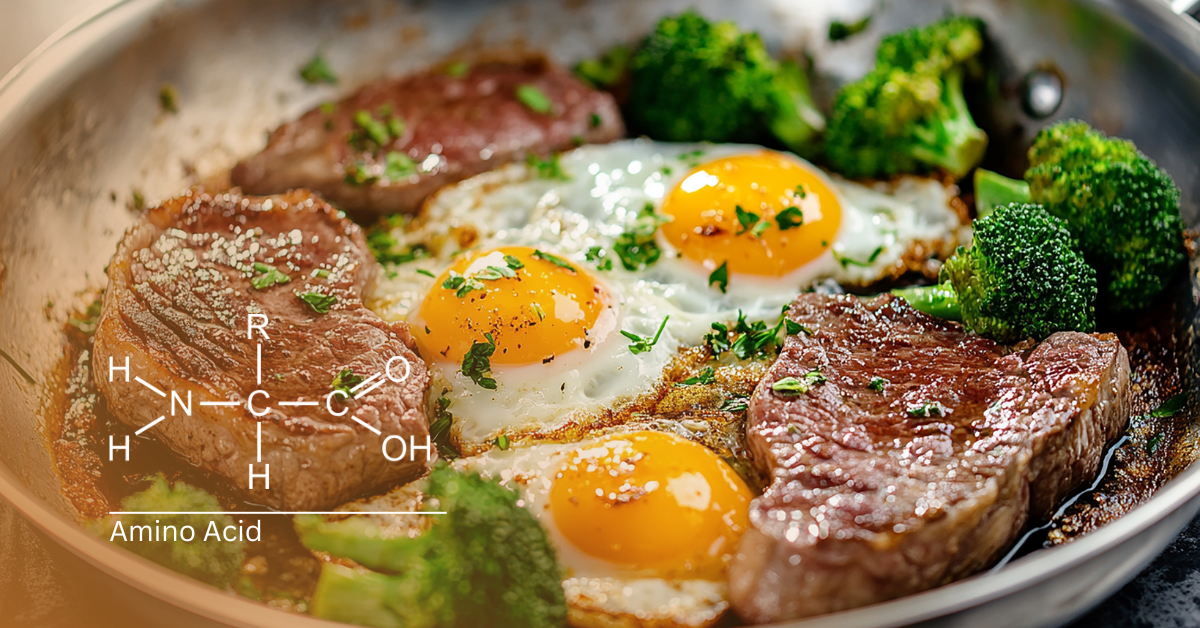
Beef itself is a complete protein, but a beef protein powder should be verified at the finished-product level. Some formulas publish all nine essential amino acids. Some are collagen-rich, and collagen lacks tryptophan. Others combine beef isolate with a complete protein such as egg white. The product's amino acid profile and blend answer the question.
The word “beef” tells you the animal. It does not tell you the amino acid table.
What makes a protein complete?
A complete protein supplies all nine essential amino acids in adequate amounts for the reference need. Essential means the body cannot make enough of that amino acid and must obtain it through food.
The nine are histidine, isoleucine, leucine, lysine, methionine, phenylalanine, threonine, tryptophan, and valine.
Presence alone is only part of the question. Amount and digestibility matter too. A label that lists all nine without per-serving quantities gives less information than a full product-specific profile.
The useful test for beef protein is simple: verify the finished formula rather than assigning whole-beef nutrition to every powder.
Why can beef protein powders differ?
Manufacturers use different bovine source materials and processes. Some products describe muscle and bone. Some identify a collagen-rich input. Some publish an amino acid table. Some add egg white or another complete protein.
| Formula type | Complete protein status | Evidence to request |
|---|---|---|
| Beef isolate with full essential amino acid profile | Can be verified from product data | Per-serving profile including tryptophan |
| Collagen peptides | Incomplete | Collagen identity; tryptophan absent |
| Collagen-rich beef or bone-broth protein | May not serve as complete protein | Full amino acid profile and source statement |
| Beef plus egg white | Finished blend can be complete | Current label, protein amount, and egg allergen |
| Beef isolate with no profile | Unknown from category name alone | Product-specific amino acid data |
This variability is why two bags can both say “beef protein isolate” and still have different glycine, proline, leucine, and tryptophan amounts.
Is collagen a complete protein?
No. Collagen lacks tryptophan and has a distinctive profile rich in glycine, proline, and hydroxyproline. Those amino acids can be useful when collagen is your intended supplement. They do not turn collagen into a complete replacement for meat, egg, dairy, soy, or another complete protein.
Some beef-derived powders are collagen-rich. Designs for Health describes its current Bone Broth Protein ingredient as 78% to 84% hydrolyzed collagen.[1] That disclosure is useful because it tells you what job the product is designed to do.
Our explainer on what is in bone broth protein powder shows the amino acid numbers behind that.
Count collagen protein grams honestly, then keep complete protein elsewhere in the diet when daily protein adequacy is the goal.
How can you verify a beef isolate?
A full amino acid profile is the clearest route. Look for all nine essential amino acids, including tryptophan, and compare the amounts in the labeled serving.
True Nutrition, for example, publishes an amino acid table for its grass-fed beef isolate. The table shows 3.9 grams of leucine, 21 grams of glycine, and 11.5 grams of proline per 100 grams, and the company warns that scoop weight varies with powder density.[2] Those numbers apply to that product and basis. They should not be pasted onto another brand's serving.
Useful verification questions:
- Is the profile for the finished product or a generic ingredient?
- Are amounts listed per serving or per 100 grams?
- Does the serving weight match the nutrition panel?
- Is tryptophan measured?
- Has the formula changed since the report?
“Contains BCAAs” is not enough. Collagen contains some branched-chain amino acids too. The complete profile matters.
Does adding egg white make beef protein complete?
Egg white is a complete protein. A finished blend of beef isolate and egg white can therefore provide all nine essential amino acids when formulated and labeled accordingly.
PaleoPro uses that approach. Paleo Protein Powder combines grass-fed beef protein isolate with egg white protein and labels the finished serving as 26 grams of complete protein.[3]
The trade-off is an allergen. Every flavor contains egg. The blend is dairy-free but not egg-free, allergen-free, or appropriate for AIP elimination.
Formula-level truth beats category shorthand in both directions. The egg helps answer the completeness question and creates a disclosure the buyer needs.
How does complete beef protein compare with whey?
Whey is generally a complete milk protein rich in essential amino acids. A verified complete beef formula can also supply all nine essential amino acids without dairy.
In an eight-week resistance-training study, beef, chicken, and whey groups each increased lean body mass from baseline, and strength increased with no differences between conditions.[4] The trial supports beef protein as a viable option in that setting. It does not establish that every beef isolate matches whey or that one source wins for every person.
Use the beef protein versus whey comparison for dietary fit, evidence, and practical differences.
Does leucine alone determine protein quality?
No. Leucine plays an important role in muscle protein synthesis, but a protein still needs the other essential amino acids. Total daily protein, meal pattern, training, age, energy intake, and the full amino acid profile all affect the result.
A precise amino acid claim should be traceable to a current label or certificate for the finished formula. The current public PaleoPro materials do not support a per-serving leucine number, so this guide does not provide one.
Do not turn one amino acid into a scoreboard for the whole product.
What should the label say?
Look for evidence in this order:
- finished-product amino acid profile
- complete protein source in the blend
- labeled protein amount and serving weight
- clear source-material description
- major allergen declaration
- relevant product or lot testing
Then check sweeteners, flavors, and total carbohydrate. Completeness does not tell you whether a formula fits your allergy, diet, or palate.
For the broader source and process explanation, read what beef protein isolate is. The complete beef protein powder guide covers buying and use.
Frequently asked questions
Is all beef protein complete?
No unconditional category claim is safe. Beef meat is complete, but powders vary by source material and processing. Verify the finished amino acid profile or a complete-protein blend.
Does beef protein isolate contain tryptophan?
Some products do, but the amount is product-specific. Collagen lacks tryptophan. Ask for a profile that measures the finished formula rather than assuming from the name.
Is collagen protein complete?
No. Collagen lacks tryptophan and should not serve as the only protein source when complete dietary protein is the goal.
Is beef-and-egg protein complete?
It can be. Egg white is a complete protein, and PaleoPro labels its finished beef-and-egg formula as 26 grams of complete protein. The formula contains egg.[3]
Is beef protein good for building muscle?
A verified complete formula can contribute to a training diet. One trial found lean-mass improvements in beef, chicken, and whey groups during resistance training.[4] Total diet and training still matter.
Does a high glycine amount mean a powder is collagen?
High glycine and proline suggest a substantial collagen contribution, but use the complete profile and source statement. One amino acid cannot identify the entire formula.
Do I need a separate BCAA supplement?
A complete protein already supplies branched-chain amino acids along with the other essential amino acids. Whether you need any supplement depends on your total diet and training context.
The answer to “is beef protein complete?” lives in the finished formula. Find the amino acid evidence, check for another complete protein, and read the allergen label before you buy.
Want a finished beef-and-egg blend labeled as complete protein? See Paleo Protein Powder or browse the protein collection. Purchases have a 60-day money-back guarantee.
Sources
- Designs for Health. Bone Broth Protein patient education. Accessed 2026-09-17.
- True Nutrition. Grass-Fed Beef Protein Isolate. Amino acid table checked 2026-09-17.
- PaleoPro. Paleo Protein Powder. Product and flavor labels checked 2026-09-17.
- Sharp MH, et al. “The Effects of Beef, Chicken, or Whey Protein After Workout on Body Composition and Muscle Performance.” Journal of Strength and Conditioning Research. 2018;32(8):2233-2242. PubMed 28399016.
