Non-Whey Protein Powder: Five Useful Alternatives
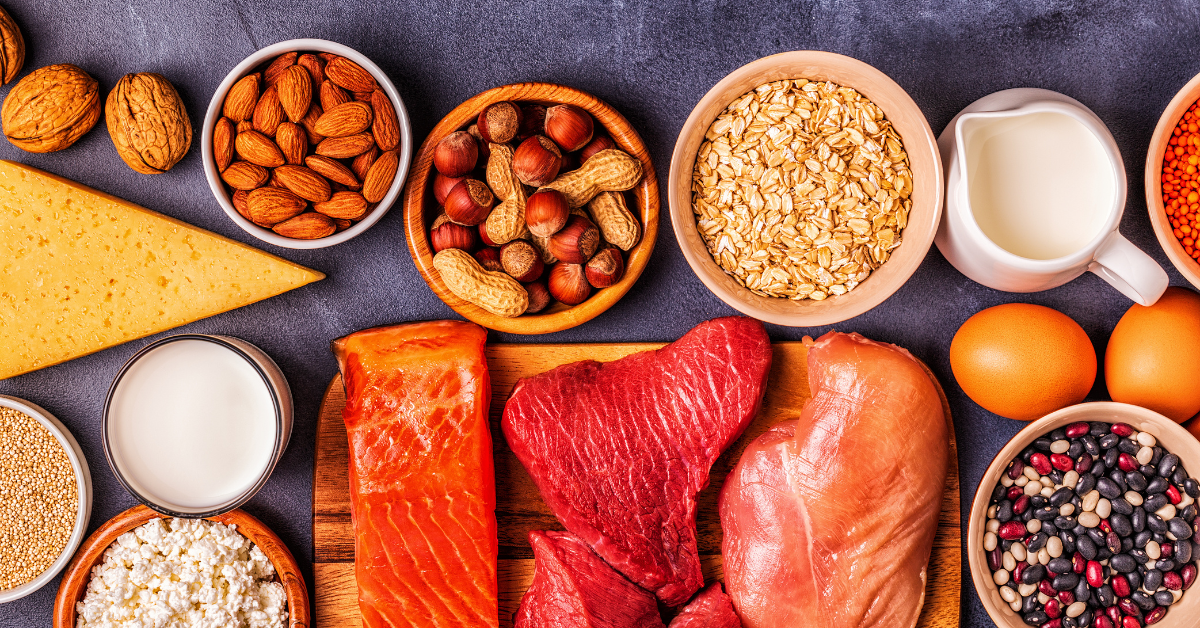
The best non-whey protein powder depends on your diet and the job you need it to do. Some beef-isolate formulas and verified beef-and-egg blends provide complete animal protein. Egg white and soy are complete proteins. Pea and rice work well together. Collagen supplies collagen amino acids but should not replace complete protein.
Whey is popular because it is affordable, well studied, and rich in essential amino acids. You can still meet your protein needs without it. The trick is choosing an alternative for a reason beyond “this bag does not say whey.”
Why would you choose protein powder without whey?
People leave whey for several reasons: lactose intolerance, milk allergy, digestive comfort, a vegan diet, or a dietary framework that excludes dairy. Those reasons lead to different products.
If lactose bothers you, whey isolate may be easier to tolerate than concentrate because it usually contains less lactose. If milk protein is the problem, isolate is still milk. If you eat vegan, beef and egg are out. If you simply dislike the taste or texture of whey, nearly every protein category remains open.
Write down the constraint first: milk protein, lactose, animal foods, egg, soy, texture, or price. Once that is clear, the useful shortlist gets much shorter.

26g of complete protein from beef isolate and egg white, with no whey, casein, or lactose.
What are the five best non-whey protein powders?
There is no universal winner. These five alternatives cover most diets and use cases.
1. Beef protein isolate
Beef protein isolate is a dairy-free animal protein made by hydrolyzing and filtering beef-derived protein. Products vary in their amino acid profiles, so compare labels and published testing rather than treating the category as one formula. We compared seven beef protein powder brands side by side if you want names.
Best for: People who eat animal foods and want a complete protein without milk.
Check before buying: The protein amount, amino acid information, source claims, other protein sources in the blend, sweetener, and allergen statement.
In an eight-week randomized training study, the beef, chicken, and whey groups each increased lean body mass from baseline. Strength increased with no differences between conditions.[1] It was one controlled trial, so it cannot settle the category. It does show that a non-whey source can play a useful role in a training diet.
2. Egg white protein
Egg white protein contains all nine essential amino acids and no milk ingredients. It tends to be mild, but it can foam and thicken in a blender.
Best for: People who tolerate egg and want a complete, dairy-free protein for shakes or baking.
Check before buying: Egg allergy, added flavors, and whether the powder is plain egg white or a blend.
Egg white is a major allergen. It also does not fit the AIP elimination phase. “Dairy-free” never means “free of every common allergen.”
3. Pea protein
Pea protein is a widely available vegan option. It provides all essential amino acids but is relatively low in methionine. A pea-and-rice blend improves the balance because rice brings more methionine while pea brings more lysine.
Best for: Vegan buyers who want a high-protein powder with broad availability.
Check before buying: Protein per serving, texture, sodium, added gums, and whether the product blends pea with another plant protein.
In a manufacturer-funded 12-week trial, pea protein supported gains in muscle thickness during resistance training.[2] Interpret that result with the funder's role in mind.
4. Rice protein
Rice protein is dairy-free, vegan, and often easy to find in simple unflavored formulas. It is relatively low in lysine, so it is stronger in a blend with pea protein than as the only major protein in the diet.
Best for: People who avoid dairy, soy, and egg and want a plant option.
Check before buying: Whether the label provides a heavy-metals testing policy and whether the serving delivers enough total protein.
5. Collagen peptides
Collagen dissolves easily and supplies glycine, proline, and hydroxyproline. It is missing tryptophan, which makes it incomplete.
Best for: Adding collagen-specific amino acids to coffee, broth, or a shake that already includes complete protein.
Check before buying: Bovine, marine, chicken, or mixed sources; fish and egg allergens; and whether the marketing presents collagen as a full meal replacement.
Collagen has a narrower job than a complete protein. Problems arise when marketing presents it as a full substitute.
How do non-whey protein powders compare?
| Protein source | Complete protein? | Dairy-free? | Vegan? | Main limitation | Best use |
|---|---|---|---|---|---|
| Beef protein isolate | Usually; verify the formula | Yes | No | Profiles and source material vary | Complete animal protein without milk |
| Egg white | Yes | Yes | No | Egg allergen; can foam | Shakes and baking |
| Pea | Contains all EAAs, relatively low methionine | Yes | Yes | Earthy texture in some formulas | Vegan shakes, often blended with rice |
| Rice | Contains all EAAs, relatively low lysine | Yes | Yes | Less balanced alone | Pairing with pea protein |
| Collagen | No | Yes | No | Missing tryptophan | Collagen-specific supplementation |
The table is a starting point. Ingredients, serving sizes, and allergen controls differ between brands. Read the actual bag you plan to buy.
What is the best non-whey protein powder for muscle gain?
For muscle gain, the best non-whey protein powder is a complete protein that gets you to 20 to 40 grams per serving with enough leucine to count. Egg white, soy isolate, a pea-and-rice blend, and a beef formula with a published amino acid profile all qualify. Collagen alone does not.
The International Society of Sports Nutrition puts most people who train at 1.4 to 2.0 grams of protein per kilogram of body weight per day, in servings of about 20 to 40 grams, and says each serving should contain 700 to 3,000 milligrams of leucine alongside the other essential amino acids.[4] Whey's main edge is leucine density: 25 grams supplies about 2.7 grams of leucine.[5] The alternatives can match it; most just need a bigger scoop.
A lab analysis of commercial protein powders measured how much protein from each source it takes to supply the 2.7 grams of leucine in 25 grams of whey:[5]
| Protein source | Protein needed to match 25g whey's leucine | What that means in practice |
|---|---|---|
| Whey (reference) | 25g | The benchmark |
| Casein | 34g | Still dairy; listed for comparison |
| Brown rice | 37g | Low in lysine; better blended with pea |
| Pea | 38g | Low in methionine; better blended with rice |
| Egg | 39g | Complete; one egg protein sample in this study |
| Soy | 40g | Complete plant protein |
Beef protein isolate was not in that analysis, and beef powders vary too much to borrow one number. Some are collagen-rich and low in leucine; others publish a complete profile or blend beef with egg. Ask for the product's amino acid table, and see our beef protein powder comparison for how seven brands handle it.
The outcome studies point the same way. In an eight-week training study, beef, chicken, and whey protein groups each increased lean body mass from baseline, with no differences in strength between them.[1] In a manufacturer-funded 12-week trial, pea protein supported gains in muscle thickness during resistance training.[2] Neither settles the category, but both show that whey is not the only road.
Muscle gain still depends on progressive resistance training, enough daily protein, and enough food over time. The powder is the convenient part of that plan, not the plan.
For people who eat animal foods, Paleo Protein Powder combines grass-fed beef protein isolate and egg white protein. The live product label lists 26 grams of complete protein, 120 calories, and 1 gram of carbohydrate per 30-gram scoop. It contains egg and is not suitable for an egg allergy or AIP elimination.
For vegan buyers, a pea-and-rice blend is the practical default. Soy isolate also supplies complete protein if soy fits your diet and allergen needs. Whichever you pick, these dairy-free protein shake recipes work with any of them.
Which non-whey protein is easiest to digest?
There is no single answer because digestive triggers differ. Removing whey may help someone who has trouble with lactose or milk protein. Another person may tolerate whey but react to inulin, sugar alcohols, gums, pea protein, or a very large serving.
Use a plain formula when troubleshooting. Start with half a serving in water, keep the rest of the meal familiar, and note the result. If you have a diagnosed food allergy, severe symptoms, or persistent digestive problems, work with a qualified clinician instead of running kitchen-table challenges.
Can you get enough protein without any powder?
Yes. Protein powder solves a convenience problem. Meat, fish, eggs, dairy if tolerated, soy foods, and legumes can cover daily protein without a scoop.
Whole food may be the better choice when you are hungry and have time to eat. Powder helps when appetite is low, breakfast is rushed, or cooking another meal would make you give up on the target. The best choice is the one that closes a real gap rather than creating a new ritual for its own sake.
What should you check before buying a whey alternative?
- Protein source: Know what supplies the protein and whether it is complete.
- Protein concentration: Compare protein grams with serving weight.
- Allergens: Read both the ingredients and facility statement.
- Sweeteners and fibers: Choose ingredients you tolerate and like.
- Testing: Look for current third-party testing or accessible certificates.
- Use case: Separate daily protein from collagen, meal replacement, or specialty diet needs.
- Cost per useful serving: A cheap tub is expensive if you need two scoops or cannot stand the taste.
If you want a wider explanation of milk-free labeling, read the dairy-free protein powder guide. If your question is strictly lactose, use the separate whey and lactose guide.
If you want complete protein without whey, see Paleo Protein Powder. It pairs grass-fed beef isolate with egg white protein and comes with a 60-day money-back guarantee. You can also compare the full protein collection.
Frequently Asked Questions
What is the best non-whey protein powder?
Beef protein isolate or egg white works well for complete animal protein. Soy isolate is a complete plant protein. A pea-and-rice blend is a practical vegan choice. The best option still depends on allergens, diet, taste, and digestive tolerance.
What is the best non-whey protein powder for muscle gain?
A complete protein that delivers 20 to 40 grams per serving with enough leucine. Egg white, soy isolate, a pea-and-rice blend, or a beef formula with a published amino acid profile all work. Plant and egg proteins may need a somewhat larger serving to match whey's leucine.
How much non-whey protein do I need to build muscle?
Most people who train do well with 1.4 to 2.0 grams of protein per kilogram of body weight per day from all sources, in servings of about 20 to 40 grams. With pea, rice, soy, or egg protein, lean toward the upper end of each serving.
Is protein powder without whey effective for building muscle?
Yes. Choose a complete protein or complementary blend, consume enough total protein, and pair it with resistance training. Research has found beef and pea proteins can support training adaptations, though results depend on the full diet and study design.[1][2]
Is collagen a good whey alternative?
Collagen is dairy-free, but it is not a direct substitute for whey because it lacks tryptophan. Use collagen alongside complete protein if you want its specific amino acid profile.
Is egg white protein dairy-free?
Yes. Eggs are not dairy. Egg white protein contains no whey, casein, or lactose, but it is a major allergen in its own right.
Should plant protein be blended?
It often helps. Pea and rice proteins have complementary amino acid strengths. Soy is complete on its own. Total daily diet still matters more than forcing every scoop to be nutritionally perfect.
Can non-whey protein powder still contain milk traces?
Yes, through shared equipment or facilities. People with a milk allergy should read the cross-contact statement and contact the manufacturer if the label is unclear.
What is the cheapest way to replace whey?
Compare cost per gram of protein, not sticker price per bag. Plain pea, soy, rice, and bulk unflavored proteins often cost less than flavored specialty blends. Whole foods may also be cheaper depending on local prices.
Sources
- Sharp MH, et al. “The Effects of Beef, Chicken, or Whey Protein After Workout on Body Composition and Muscle Performance.” Journal of Strength and Conditioning Research. 2018. PubMed.
- Babault N, et al. “Pea proteins oral supplementation promotes muscle thickness gains during resistance training.” Journal of the International Society of Sports Nutrition. 2015. PMC.
- National Institute of Diabetes and Digestive and Kidney Diseases. “Definition & Facts for Lactose Intolerance.” NIDDK.
- Jäger R, et al. “International Society of Sports Nutrition Position Stand: protein and exercise.” Journal of the International Society of Sports Nutrition. 2017;14:20. PMC5477153.
- Gorissen SHM, et al. “Protein content and amino acid composition of commercially available plant-based protein isolates.” Amino Acids. 2018;50(12):1685-1695. PMC6245118, Table 2.
