Lactose-Free Protein Powder: How to Choose One
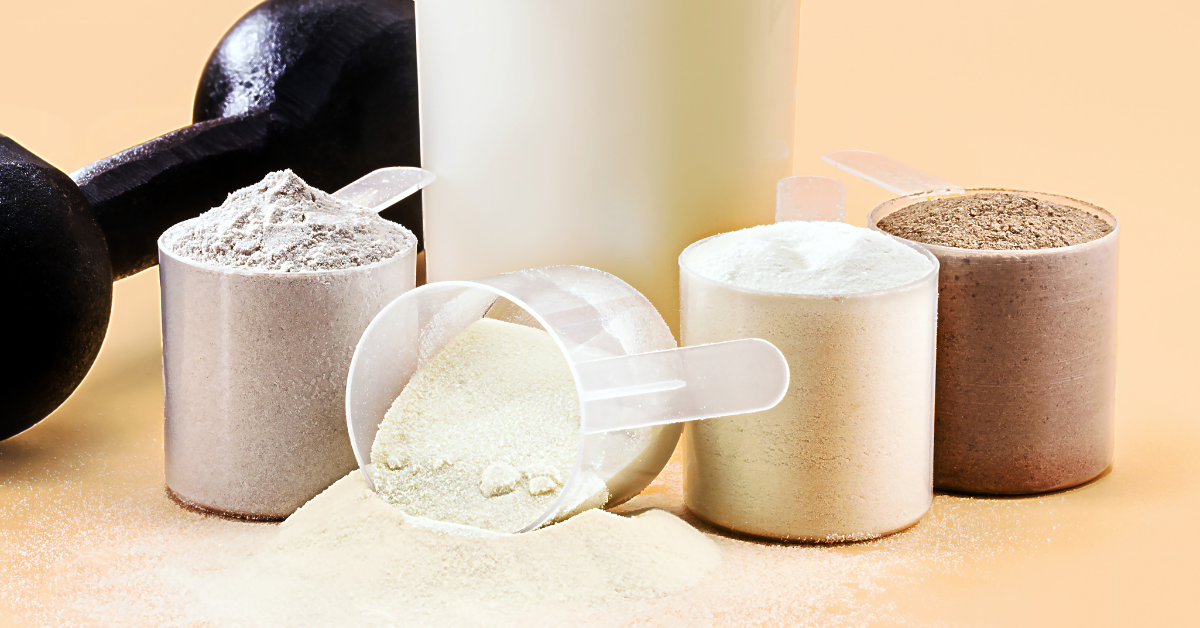
A lactose-free protein powder may use filtered whey or a protein source that never came from milk, such as beef, egg white, soy, pea, rice, or collagen. The right choice depends on whether you have lactose intolerance, a milk allergy, or another reason for avoiding dairy. Those are different decisions.
Is lactose intolerance the same as a milk allergy?
No. Lactose intolerance involves difficulty digesting lactose, the natural sugar in milk. A milk allergy is an immune response to milk protein. Lactose intolerance can cause gas, bloating, diarrhea, nausea, and abdominal pain. A milk allergy can cause a serious reaction and requires stricter avoidance.[1][2]
This distinction changes the label you need:
- Lactose intolerance: A product with very little lactose may be tolerated, but the amount and personal threshold matter.
-
Milk allergy: Whey and casein remain milk proteins even when the lactose has been removed. Read the ingredient list, the
Containsstatement, and any cross-contact notice. - Dairy-free diet: Choose a formula made without whey, casein, milk solids, or other milk-derived ingredients.
FDA allergen rules require milk-derived protein ingredients to identify milk as their source. Egg is also a major allergen, which matters when moving from whey to egg white or a beef-and-egg blend.[2]
A protein made without milk removes lactose from the decision entirely. You still need to check its other allergens, protein quality, and ingredients.

26g of complete beef-and-egg protein with no whey, casein, or lactose.
Which protein powders are lactose-free?
The useful options fall into two groups: low-lactose dairy proteins and proteins made without dairy.
| Protein source | Lactose status | Complete protein? | Main consideration |
|---|---|---|---|
| Whey isolate | Usually very low; verify the product | Yes | Still contains milk protein |
| Beef protein isolate | Made without dairy | Formula-dependent; verify | Source material and amino acid profiles vary |
| Egg white protein | Made without dairy | Yes | Contains egg |
| Soy protein isolate | Made without dairy | Yes | Contains soy |
| Pea-and-rice blend | Made without dairy | Complementary blend | Texture and amino acid balance vary |
| Collagen peptides | Made without dairy when bovine, marine, or poultry-sourced | No | Useful for collagen amino acids, not a complete-protein replacement |
Whey isolate
Whey isolate is filtered to remove much of the fat and lactose found in whey concentrate. Some people with lactose intolerance tolerate it. The label and manufacturer should provide the relevant lactose information, because the amount is not identical across products.
Whey isolate is still dairy. It does not fit a milk allergy or a diet that excludes milk protein. If lactose is the only concern, start with how much lactose different whey products may contain.
Beef protein isolate
Beef protein isolate contains no lactose because it is made from beef rather than milk. Products in this category differ. Some are collagen-rich, while others publish a complete amino acid profile or combine beef isolate with another protein.
In a small eight-week resistance-training trial of 41 young adults using 46-gram servings, beef, chicken, and whey protein groups each increased lean body mass from baseline, and strength gains did not differ between conditions.[3] That study supports the tested beef protein as a workable option. It does not prove every beef powder is complete or superior to whey.
Egg white protein
Egg white protein is dairy-free and complete. It works in shakes and baking, though it can foam in a blender. Anyone with an egg allergy needs another option.
Soy, pea, and rice protein
Soy isolate is a complete plant protein. Pea contains all essential amino acids but is relatively low in methionine; rice is relatively low in lysine. A pea-and-rice blend improves that balance. In a manufacturer-funded resistance-training trial, the overall difference among pea, whey, and placebo only trended toward significance; a sensitivity analysis of participants who started with lower strength found a greater biceps-thickness gain with pea than placebo.[4]
Collagen peptides
Collagen peptides can be lactose-free and easy to mix. Collagen lacks tryptophan, so it should not carry your full protein intake. Use it when you want collagen-specific amino acids and keep complete proteins elsewhere in the day.
To compare milk-free powders by protein source, allergens, and use case, read the dairy-free protein powder guide.
How do you choose the best lactose-free protein powder?
Start with the reason you are shopping, then read the back of the package.
- Name the constraint. Separate lactose intolerance, milk allergy, vegan eating, egg avoidance, and general preference.
- Check the protein source. Look for whey, casein, beef, egg, soy, pea, rice, or collagen rather than relying on the front-label claim.
- Check protein quality. For daily protein or training, choose a complete protein or a complementary blend. Sports-nutrition guidance emphasizes adequate total protein and essential amino acids over allegiance to one powder category.[5]
- Read the allergen statement. Milk, egg, and soy are major allergens. Shared-equipment language may matter for a diagnosed allergy.
- Review the full formula. Sweeteners, fibers, gums, and serving size can affect taste and tolerance independently of lactose.
- Use the actual serving. A scoop size and protein number need to be read together. Compare grams of protein with the full serving weight.
For an animal-based option, Paleo Protein Powder combines grass-fed beef protein isolate and egg white protein. The current label lists 26 grams of complete protein, about 120 calories, and 0 to 1 gram of carbohydrate per serving. It contains egg and is made without whey, casein, or lactose.
Can lactose-free protein powder still cause bloating?
Yes. Removing lactose removes one possible trigger. A large serving, sugar alcohols, inulin or chicory root fiber, another allergen, and an abrupt change in diet can also affect digestion. Sugar alcohols differ in absorption and tolerance; several can cause gas, cramping, or diarrhea at sufficient doses, especially in people who are not accustomed to them.[6]
Change one variable at a time. Try a smaller serving in water, keep the rest of the meal familiar, and record what happens. Persistent symptoms, severe pain, vomiting, blood in stool, or a suspected allergy belong with a qualified clinician rather than another round of supplement experiments.
Is lactose-free better than dairy-free?
One label is not universally better. They answer different questions.
Lactose-free focuses on milk sugar. Dairy-free focuses on milk ingredients. Someone who digests milk protein but has trouble with lactose may tolerate a verified low-lactose whey isolate. Someone with a milk allergy needs to avoid whey and casein regardless of lactose content.
If you simply want protein that was never made from milk, compare beef, egg white, soy, or a plant blend. The non-whey protein powder guide compares those options by diet and use case.
Frequently Asked Questions
Is whey protein isolate lactose-free?
Whey isolate usually contains much less lactose than whey concentrate, but the amount varies. Check the specific label or ask the manufacturer. Whey isolate still contains milk protein and is unsuitable for a milk allergy.
What is the best lactose-free protein powder for muscle?
Choose a complete protein or complementary blend with enough protein per serving. Verified beef formulas, egg white, soy isolate, and well-designed plant blends can all contribute when total diet and training are in place.
Does dairy-free always mean lactose-free?
A formula made without milk ingredients should contain no lactose. Read the allergen statement and cross-contact notice when a milk allergy is involved, because allergy decisions require more care than lactose intolerance.
Are eggs dairy?
No. Egg white protein is dairy-free and lactose-free. Egg remains a major allergen in its own right.
Is collagen a lactose-free protein powder?
Bovine, marine, and poultry collagen contain no lactose unless the finished formula adds a milk-derived ingredient. Collagen is incomplete, so it serves a different purpose from whey, egg white, soy, or a verified complete beef formula.
Can plant protein contain milk?
The protein source may be plant-based while the finished product includes a milk-derived flavor, creamer, or cross-contact warning. Check the full label every time.
How can I test whether lactose is the problem?
A clinician can evaluate symptoms and may use a hydrogen breath test or another diagnostic approach. Avoid using a home reintroduction challenge when you suspect a milk allergy, because allergic reactions can be serious.[1][2]
Want complete animal protein made without milk? See Paleo Protein Powder, then compare the rest of the protein collection. PaleoPro covers purchases with a 60-day money-back guarantee.
Sources
- National Institute of Diabetes and Digestive and Kidney Diseases. Symptoms & Causes of Lactose Intolerance.
- U.S. Food and Drug Administration. Food Allergies: What You Need to Know.
- Sharp MH, et al. “The Effects of Beef, Chicken, or Whey Protein After Workout on Body Composition and Muscle Performance.” Journal of Strength and Conditioning Research. 2018. PubMed.
- Babault N, et al. “Pea proteins oral supplementation promotes muscle thickness gains during resistance training.” Journal of the International Society of Sports Nutrition. 2015. PMC.
- Jäger R, et al. “International Society of Sports Nutrition Position Stand: protein and exercise.” Journal of the International Society of Sports Nutrition. 2017. PMC.
- Mäkinen KK. “Gastrointestinal Disturbances Associated with the Consumption of Sugar Alcohols with Special Consideration of Xylitol.” International Journal of Dentistry. 2016. PMC.
