Best Protein Powder for Women Over 50: Protecting Muscle, Bone & Strength
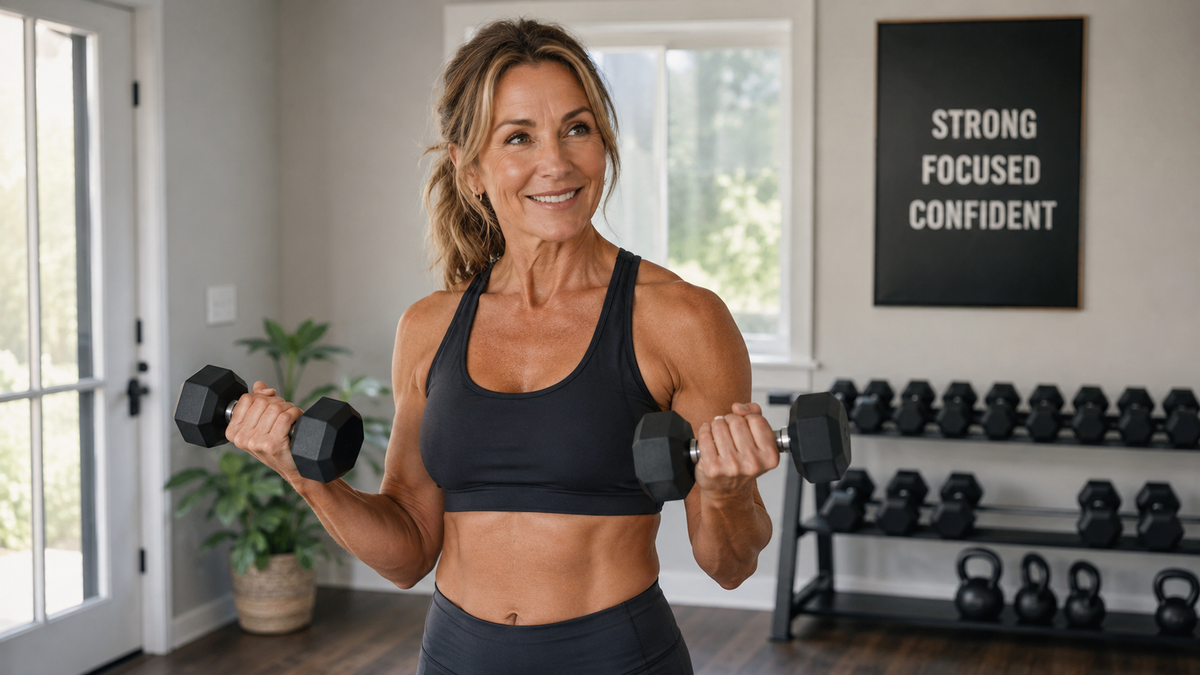
The best protein powder for women over 50 is a complete protein (whey, beef, egg white, or soy) with 20 to 30 grams per scoop that helps you reach about 1.0 to 1.6 grams of protein per kilogram of body weight per day, spread across meals. After 50, falling estrogen speeds the loss of muscle and bone, so enough complete protein plus resistance training is the most effective way to protect the strength you have built.
Protein after 50 is about defending your body, not shrinking it. The years around and after menopause bring real physiological shifts, and the answer is not a special diet shake or an anti-aging miracle. It is the unglamorous, well-proven pairing of adequate protein and strength work. This guide covers why your needs rise after 50, what to look for in a powder, how the protein types compare, what the evidence says about collagen, and how to hit your number.
Why do women over 50 need more protein?
Because the body gets less efficient with protein as it ages, which is the opposite of what most people assume. Three things push your needs up after 50:
- The RDA is a floor, not a target. The official 0.8 g/kg recommendation is set to prevent deficiency, not to protect muscle or bone as you age [1]. Expert guidelines for older adults recommend 1.0 to 1.2 g/kg per day, and 1.2 to 1.5 with activity or illness [2].
- Anabolic resistance. Aging muscle responds less to a given amount of protein, so you need a larger dose per meal to trigger the same muscle-building response. Research points to roughly 0.4 grams per kilogram at each meal for older adults [3]. Spreading protein across the day matters more now than it ever did.
- Most women eat less, not more. Appetite often shrinks with age, and many women drift toward lighter, carb-heavier meals, landing furthest from their target exactly when the stakes are highest.
Put those together and a woman over 50 should aim for the upper end of the general range and get 25 to 35 grams at each meal. That starts with the right kind of protein: a complete protein your body can put to use.

26g of complete, dairy-free protein per scoop — the complete amino profile your body needs to protect muscle, strength, and bone after 50.
What should women over 50 look for in a protein powder?
Look for a complete protein that delivers 20 to 30 grams per scoop, agrees with your digestion, and has little or no added sugar. Everything else is a tiebreaker. Use this checklist on any label:
| What to check | What good looks like | Why it matters after 50 |
|---|---|---|
| Protein source | Complete: whey, beef-and-egg, egg white, soy, or a pea-and-rice blend | Muscle is rebuilt from all nine essential amino acids, and leucine is the trigger [3] |
| Protein per scoop | 20 to 30 grams | Makes the 25 to 35 gram per-meal target reachable with one serving |
| Digestion | A formula you tolerate; dairy-free if whey bothers you; no inulin or sugar alcohols if they cause gas | A powder you avoid does nothing for your muscle |
| Added sugar | 0 to a few grams | Keeps the scoop from crowding out real food |
| Ingredient list | Short enough to account for every ingredient | Easier to spot allergens and sweeteners you dislike |
| Testing | A current third-party certification or lot report you can check | The label cannot tell you what is in a specific batch |
If you want the long version of that last row, our guide to the cleanest protein powders explains how to read a certificate of analysis. Taste matters too. The best powder is the one you will drink most mornings, not the one that wins on paper.
Which type of protein powder is best for women over 50?
Whey, beef-and-egg blends, egg white, and soy are all complete and work well after 50. Pea-and-rice blends work when the serving is large enough. Collagen is useful but incomplete, so it belongs beside a complete protein, not in place of one.
| Protein type | Complete? | Strength after 50 | Watch for |
|---|---|---|---|
| Whey isolate | Yes | Rich in leucine and well studied | It is milk protein; some women bloat on it |
| Beef protein isolate or beef-and-egg blend | Blend: yes. Isolate: check the amino acid profile | Dairy-free animal protein | Some beef isolates are collagen-rich; egg is an allergen |
| Egg white | Yes | Dairy-free and mild | Egg allergy |
| Soy isolate | Yes | Complete plant protein | Soy allergy |
| Pea-and-rice blend | Complementary | Vegan | Texture and serving size |
| Collagen peptides | No | Easy to mix; skin and joint research | Missing tryptophan, so not a stand-alone protein |
If dairy is the problem, our dairy-free protein powder guide compares the milk-free options in more detail.
Menopause, estrogen, and muscle: protecting what you have
Estrogen does more than regulate your cycle. It helps maintain muscle, and when it declines through menopause, muscle gets harder to hold onto. Postmenopausal women carry measurably less muscle mass (and lower bone density) than premenopausal women of the same age and activity level [4], and reviews link estrogen's decline directly to accelerated muscle aging [5]. The same effort that maintained your strength at 40 no longer quite keeps up at 55.
The response is within your control, and the honest version goes like this: resistance training is the proven driver of muscle in postmenopausal women; protein is the supporting actor. In one randomized trial, postmenopausal women on the same strength program gained the same lean mass whether they ate 1.2 or 0.8 g/kg of protein [6]. The training drove the gains. Protein makes sure a lack of raw material never holds those gains back, and it slows the loss that happens when you are not training. So the formula is enough protein plus strength work, together. And no, it will not make you bulky. Without the testosterone men have, that combination builds strength and tone, not size.
Does protein protect bone after menopause?
Yes, and this is where the science is strongest. For years women heard that "too much protein leaches calcium from your bones." That idea is outdated. A meta-analysis found that while higher protein raises urinary calcium slightly, it has no adverse effect on calcium balance or bone, directly refuting the leaching hypothesis [7]. Higher protein intake is associated with higher bone density and fewer hip fractures in older adults [8].
This matters after menopause, when the drop in estrogen accelerates bone loss. Protein provides the collagen matrix that bone mineral is laid down on, so adequate protein (with enough calcium and vitamin D) is protective, not risky. In the interest of full disclosure, some protein-and-bone reviews have received food-industry funding, but independent research reaches the same conclusion. Undereating protein is the bigger threat to your bones after 50.
What about skin, collagen, and joints after 50?
Menopause is hard on connective tissue too. Women lose roughly 30% of their skin collagen in the first five years after menopause, along with skin thickness [9]. That is why skin can feel thinner and drier, and why joints may ache more. Protein and collagen play complementary roles here:
- Complete protein is the foundation. Your body builds its own collagen from amino acids, and beef protein is naturally rich in the glycine and proline it uses to do so.
- Collagen peptides are a reasonable add-on: promising, not proven. Industry-funded trials suggest collagen peptides can improve skin elasticity, with effects most pronounced in women over 50 [10], and one postmenopausal trial linked them to improved bone density [11]. Many of these studies were funded by collagen makers, so treat collagen as a low-risk experiment, not a guaranteed fix.
That is why pairing a complete protein with a collagen source, like a bone broth collagen blend, makes sense: the protein does the foundational work, and the collagen adds targeted support for skin and joints.
How should women over 50 use protein while losing weight?
Keep protein high while you eat less. Higher-protein diets support fullness and help preserve lean mass during a calorie deficit, and adding resistance training protects even more of it [15][16]. That matters more after 50, when muscle lost is harder to rebuild.
A protein powder is not a weight-loss product. It is a convenient way to hit a protein target when a full meal feels like too much or breakfast keeps slipping to toast and coffee. Keep whole-food meals as the base, lift weights, and watch what you mix the scoop with: a scoop in water is a very different drink from one blended with juice and nut butter. Our guide to protein for women during weight loss covers the daily targets in more detail.
What if you're losing weight on a GLP-1?
Many women in their 50s and 60s now use GLP-1 medications (Ozempic, Wegovy, Mounjaro, Zepbound), and protein matters here. A meaningful share of the weight lost on these drugs comes off as muscle, not just fat: across studies, the lean-mass fraction runs from roughly a quarter to as much as 40% [12]. Losing muscle you cannot afford to lose is a special concern after 50.
Protein and resistance training are the main defenses. When the medication switches off your appetite, prioritizing protein and lifting weights helps protect lean mass during the loss [13]. A low-calorie, high-protein shake is a practical way to hit a protein target when a meal feels like too much. This is general information, not medical advice. If you are on a GLP-1, talk with your provider about your protein target, and see our guide to protein on a GLP-1.
How much protein should a woman over 50 eat (and how to hit it)?
Aim for the upper end of the general range. Here is what that looks like in grams:
| Body weight | Maintenance (1.0 to 1.2 g/kg) | Active or protecting muscle (1.2 to 1.6 g/kg) |
|---|---|---|
| 130 lb (59 kg) | about 59 to 71 g/day | about 71 to 94 g/day |
| 150 lb (68 kg) | about 68 to 82 g/day | about 82 to 109 g/day |
| 170 lb (77 kg) | about 77 to 93 g/day | about 93 to 124 g/day |
Three tactics make it doable:
- Anchor every meal with 25 to 35 grams of protein. Because of anabolic resistance, a solid per-meal dose matters as much as the daily total [3].
- Front-load breakfast. Most women eat the least protein in the morning. A protein-forward breakfast is the highest-impact fix.
- Use a powder to close the gap. Reaching 90 to 110 grams from whole food alone is hard on a smaller appetite. A scoop adds 20 to 30 grams in seconds, which is the practical reason so many women over 50 keep one on hand.
Our guide to how much protein women need covers the math for every age, and the guide to protein powder for women over 40 covers the perimenopause years.
Frequently asked questions
What is the best protein powder for women over 50? The best protein powder for women over 50 is a complete protein (whey, beef-and-egg, egg white, or soy) with 20 to 30 grams per serving, little or no added sugar, and an ingredient list you can account for. A dairy-free option avoids the bloat some women get from whey. Getting enough total protein, about 1.0 to 1.6 g/kg a day, matters most [2].
How much protein does a woman over 50 need per day? Expert guidelines recommend at least 1.0 to 1.2 grams per kilogram of body weight for older adults, more than the 0.8 g/kg RDA, and often 1.2 to 1.6 g/kg for active women protecting muscle [1][2]. For a 150-lb woman, that is roughly 68 to 109 grams a day, spread across meals at 25 to 35 grams each.
How much protein should women over 50 eat while losing weight? Stay at the upper end of the usual range, about 1.2 to 1.6 grams per kilogram of body weight a day, spread across meals. Higher protein intake supports fullness and helps preserve muscle during a calorie deficit, especially alongside strength training [15][16].
Is whey or plant protein better for women over 50? Both can work. Whey is complete and rich in leucine but is milk protein. Soy is a complete plant protein, and pea-and-rice blends work when the serving is large enough. Beef-and-egg blends and egg white are dairy-free complete options.
Does protein help with menopause? Protein does not treat menopause, but it supports the body through it by helping protect the muscle and bone that estrogen decline puts at risk and by keeping you full [4][8]. Paired with resistance training, adequate protein is one of the most effective, evidence-based things a woman can do through the transition.
Is protein bad for bones or kidneys after 50? No. For healthy women, both fears are outdated. Higher protein is associated with better bone density and fewer fractures, not calcium loss [7][8], and controlled trials show no harm to kidney function in healthy adults [14]. If you have existing kidney disease, follow your provider's guidance on protein.
Should women over 50 take collagen or protein? Ideally both, because they do different jobs. A complete protein is the foundation for muscle, skin, and connective tissue; collagen peptides are a reasonable, low-risk add-on with promising, largely industry-funded evidence for skin and bone [10][11]. Get enough complete protein first, then add collagen if you want targeted skin and joint support.
Will protein make women over 50 bulky? No. Building bulky muscle requires high testosterone, which women do not have, and levels are lower still after menopause. Protein plus strength training builds tone, strength, and better posture, not size.
The decade after 50 is not a decline you have to accept passively. Enough complete protein and regular strength work are the proven levers for staying strong, mobile, and independent, and both are within your control.
Ready to protect your strength through menopause and beyond? Paleo Protein Powder gives you 26g of complete, dairy-free protein per scoop, and Bone Broth Collagen + Turmeric adds 16g of beef collagen for skin and joint support. Both are backed by a 60-day money-back guarantee.
Sources
- Institute of Medicine (2005). Dietary Reference Intakes for Energy, Carbohydrate, Fiber, Fat, Fatty Acids, Cholesterol, Protein, and Amino Acids. Washington, DC: The National Academies Press. DOI: 10.17226/10490
- Bauer, J., et al. (2013). "Evidence-based recommendations for optimal dietary protein intake in older people: PROT-AGE Study Group." JAMDA, 14(8), 542-559. PMID: 23867520
- Moore, D.R., et al. (2015). "Protein ingestion to stimulate myofibrillar protein synthesis requires greater relative protein intakes in healthy older versus younger men." Journals of Gerontology Series A, 70(1), 57-62. PMID: 25056502
- Sipilä, S., et al. (2020). "Muscle and bone mass in middle-aged women: role of menopausal status and physical activity." Journal of Cachexia, Sarcopenia and Muscle, 11(3), 698-709. PMID: 32017473
- Critchlow, A.J., et al. (2023). "The role of estrogen in female skeletal muscle aging: A systematic review." Maturitas, 178, 107844. PMID: 37716136
- Rossato, L.T., et al. (2017). "Higher Protein Intake Does Not Improve Lean Mass Gain When Compared with RDA Recommendation in Postmenopausal Women Following Resistance Exercise Protocol: A Randomized Clinical Trial." Nutrients, 9(9), 1007. PMID: 28895933
- Fenton, T.R., et al. (2009). "Meta-analysis of the effect of the acid-ash hypothesis of osteoporosis on calcium balance." Journal of Bone and Mineral Research, 24(11), 1835-1840. PMID: 19419322
- Groenendijk, I., et al. (2019). "High Versus Low Dietary Protein Intake and Bone Health in Older Adults: a Systematic Review and Meta-Analysis." Computational and Structural Biotechnology Journal, 17, 1101-1112. PMID: 31462966
- Brincat, M., et al. (1987). "A study of the decrease of skin collagen content, skin thickness, and bone mass in the postmenopausal woman." Obstetrics & Gynecology, 70(6), 840-845. PMID: 3120067
- Proksch, E., et al. (2014). "Oral supplementation of specific collagen peptides has beneficial effects on human skin physiology: a double-blind, placebo-controlled study." Skin Pharmacology and Physiology, 27(1), 47-55. PMID: 23949208 (industry-funded, GELITA)
- König, D., et al. (2018). "Specific Collagen Peptides Improve Bone Mineral Density and Bone Markers in Postmenopausal Women: A Randomized Controlled Study." Nutrients, 10(1), 97. PMID: 29337906 (industry-funded, GELITA)
- Prado, C.M., et al. (2024). "Muscle matters: the effects of medically induced weight loss on skeletal muscle." The Lancet Diabetes & Endocrinology, 12(11), 785-787. PMID: 39265590
- Villareal, D.T., et al. (2017). "Aerobic or Resistance Exercise, or Both, in Dieting Obese Older Adults." New England Journal of Medicine, 376(20), 1943-1955. PMID: 28514618
- Devries, M.C., et al. (2018). "Changes in Kidney Function Do Not Differ between Healthy Adults Consuming Higher- Compared with Lower- or Normal-Protein Diets: A Systematic Review and Meta-Analysis." Journal of Nutrition, 148(11), 1760-1775. PMID: 30383278
- Leidy, H.J., et al. (2015). "The role of protein in weight loss and maintenance." American Journal of Clinical Nutrition, 101(6), 1320S-1329S. PMID: 25926512
- Longland, T.M., et al. (2016). "Higher compared with lower dietary protein during an energy deficit combined with intense exercise promotes greater lean mass gain and fat mass loss: a randomized trial." American Journal of Clinical Nutrition, 103(3), 738-746. PMID: 26817506
