Best Chocolate Protein Powder: How to Read Past the Front Label
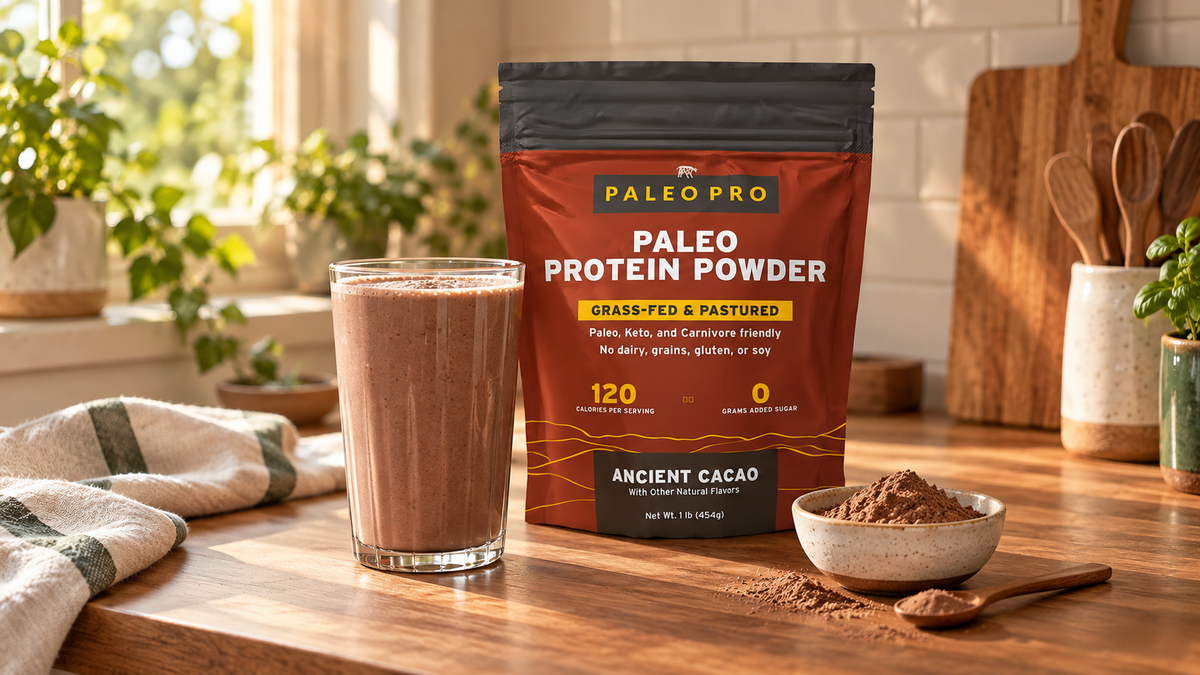
The best chocolate protein powder balances cocoa bitterness with enough sweetness, delivers a useful amount of protein for its calories, and has a texture you enjoy in your usual drink. Check the protein source, cocoa, sweetener, gums or emulsifiers, and serving size. Taste still depends on your palate and mixing method.
Chocolate gets called the safe flavor. That is only true if you like the particular version of chocolate in the bag. Dark and roasty, sweet and milky, or faintly brown are different products wearing the same word.
What makes a chocolate protein powder taste good?
Chocolate flavor depends on a moving balance among cocoa aroma, bitterness, astringency, sweetness, and texture. Sensory studies of chocolate show that cocoa source and processing can change bitterness and consumer liking [1]. Another controlled study found that chocolate aroma reduced bitterness and bitter aftertaste from stevia compounds in milk and soy milk [2]. The finished formula matters more than any single ingredient.
That gives shoppers a practical rule. A powder needs enough cocoa character to taste like chocolate, but cocoa also brings bitterness. The sweetener has to round that edge without lingering after the sip. Texture has to support the flavor without turning the drink into pudding.
Your best chocolate protein powder will make those tradeoffs in a way that suits your palate and your routine.

Ancient Cacao pairs real cocoa with 26g of complete protein at about 120 calories, without dairy or added sugar.
What should you check on a chocolate protein powder label?
The front label sells an idea. The nutrition and ingredient panels tell you what you are buying.
| Label check | What it helps you judge | What it cannot prove |
|---|---|---|
| Protein source | Diet fit, allergens, and whether the source is named | Final flavor and digestibility for you |
| Protein per serving | Whether the serving contributes meaningfully to your target | Protein quality from grams alone |
| Calories per serving | How the powder fits your meal or snack | Fullness or enjoyment |
| Cocoa or cacao | Whether the formula includes the familiar chocolate ingredient | Cocoa intensity or roast profile |
| Sweetener | Whether it uses sugar, stevia, monk fruit, sucralose, or another system | How sweet or bitter it will taste to you |
| Gums and emulsifiers | What may create thickness or help dispersion | Whether the texture will feel smooth in your shaker |
Do the arithmetic on the serving the company defines. A scoop can vary widely in weight, so “one scoop” is a poor comparison across brands. Protein grams and calories per labeled serving are more useful.
Is cocoa powder or chocolate flavor better?
Neither term guarantees a better shake. Cocoa contributes recognizable bitterness, astringency, and chocolate character. Natural or artificial flavors can shape aroma and make the result seem milkier, darker, or sweeter. Many formulas use both.
US rules govern how flavoring ingredients are declared, but “natural flavor” is not a sensory score [3]. Likewise, “cacao” is not automatic proof that a powder tastes darker or uses a meaningful amount. Read the full ingredient statement and look for descriptions from people who mixed it the way you will.
If you want a cocoa-forward drink, look for cocoa powder in the ingredient list and reviews that mention rich, dark, or not overly sweet. If you want a dessert-style shake, reviews that mention milk chocolate or milkshake texture are more relevant.
Which sweetener is best with chocolate protein?
Chocolate can make some high-intensity sweeteners easier to live with because aroma and bitterness interact. That does not make every chocolate formula successful.
Stevia can produce bitter notes because steviol glycosides interact with both sweet and bitter receptors [4]. Chocolate flavoring reduced those bitter sensations in one controlled sensory study, but the effect depended on the food matrix and formula [2]. Monk fruit has its own temporal profile; a matched-sweetness panel detected lingering side tastes rather than a perfect copy of sugar [5]. Sucralose is another common route for formulas that want strong sweetness without sugar.
There is no scientific basis for declaring one sweetener the winner for every person. Use your own history. If stevia always announces itself to you, cocoa may soften it without making it disappear. If you dislike very sweet shakes, look for reviews from people who say the same thing.
Which protein base works best with chocolate?
Chocolate is assertive enough to work across many protein sources. The remaining differences are diet fit, allergens, texture, and the quality of the individual formula.
Whey often gives a familiar dairy shake profile. Egg white can be lighter. Beef isolate is dairy-free and varies by processing. Pea tends to produce more body and an earthy base note. Soy is often comparatively neutral. Blends can use one source to soften another.
Pick the protein source before the flavor if you have a dietary restriction. Milk and egg are major allergens and must be declared on US labels. Plant-based does not automatically mean allergen-free.
Paleo Protein's Ancient Cacao combines beef protein isolate and egg white protein with cocoa powder, natural flavors, sunflower lecithin, and monk fruit. The current product page lists 26 grams of protein, about 120 calories, no dairy, and egg as an allergen [6]. Shoppers looking for that profile can see Ancient Cacao and the other flavor options.
How do water, milk, and a blender change chocolate flavor?
Water lets you taste the powder with the least interference. Milk or a milk alternative adds body, sweetness, and its own flavor. A blender incorporates more air and can create a thicker drink, especially with ice or frozen fruit.
Test a new powder in the simplest version you will drink regularly. Then adjust:
- Add more liquid if the sweetness or cocoa feels concentrated.
- Add ice for a colder, thicker shake.
- Add banana or nut butter if you want a fuller smoothie.
- Add coffee if you want mocha, using a cool-liquid slurry before hot liquid to reduce clumping.
For baking, start with a recipe built around the powder. Our chocolate protein muffin recipe is a better first attempt than replacing flour by instinct. The beef protein powder recipe guide covers other uses.
How should you interpret chocolate protein powder reviews?
Look for repeat observations with context. “Rich in almond milk” and “thin in water” can both be true. “Mixes smoothly in a blender” says nothing about a shaker bottle. Review detail makes the evidence useful.
Taste reviews also reveal segmentation. If half the reviewers call a formula pleasantly restrained and the other half call it weak, the powder is probably aimed at people who dislike dessert-level sweetness. That is a fit signal, not a defect count.
Avoid treating a star average as a blind taste test. Reviews are self-selected, serving methods vary, and buyers often score the full product experience rather than flavor alone.
The most useful review tells you what the person mixed, how they mixed it, and what kind of chocolate they expected.
A review that only says “great” may be sincere, but it cannot tell you whether the shake was dark, sweet, thin, or blended with other ingredients. Detail is what makes one person's experience usable to another shopper.
How do you choose among chocolate, mocha, and vanilla?
Choose by use case. Chocolate is the clearest choice for a standalone shake and recipes where cocoa belongs. Mocha makes sense for coffee drinkers. Vanilla fits a broader range of fruit and baking combinations.
The protein products collection lets you compare the full flavor range. Ancient Cacao, Mayan Mocha, Aztec Vanilla, and Plain Naked are all currently available in one-, two-, and three-bag variants [6].
Frequently asked questions
What is the best chocolate protein powder?
The best chocolate protein powder fits your protein and calorie targets, uses a protein source and sweetener you want, and tastes good in your normal liquid. Look for cocoa character, sweetness level, texture, and review details about the same mixing method you use.
Does chocolate protein powder contain caffeine?
Cocoa naturally contains small amounts of caffeine, but the amount in a finished powder depends on the cocoa ingredient and quantity used. If caffeine matters to you and the label does not state an amount, ask the manufacturer rather than guessing.
Is cacao better than cocoa in protein powder?
The words alone do not establish quality, flavor intensity, or nutritional superiority in a finished protein powder. Processing and labeling conventions vary. The ingredient panel, nutrition facts, and the sensory performance of the formula matter more.
Why does chocolate protein powder taste bitter?
Cocoa is naturally bitter and astringent, and some sweeteners add bitter notes of their own. Too little sweetness, a strongly flavored protein base, or the interaction among those ingredients can make bitterness more obvious.
Is chocolate protein powder good with water?
It can be, especially when the formula carries enough cocoa aroma and has a texture designed for a light shake. Water exposes the powder's flavor. Milk or a milk alternative adds body and can soften bitterness.
Can you put chocolate protein powder in coffee?
Yes. Chocolate and coffee create a mocha profile. Mix the powder with a small amount of cool liquid first, then add the coffee gradually so the protein is less likely to clump.
Can you bake with chocolate protein powder?
Yes, but protein powder does not behave like flour. Use a recipe developed for protein powder, watch the liquid balance, and avoid replacing all the flour in a conventional recipe.
You cannot certify the best-tasting chocolate powder from a label or a spreadsheet. You can narrow the field with the label, then choose a formula whose sweetness, protein source, and use case line up with yours. Ancient Cacao pairs real cocoa with a dairy-free beef-and-egg-white base and comes with Paleo Pro's 60-day guarantee [6].
Compare the flavors and pick the one you will be happy to finish.
Sources
- McClure AP, Hopfer H, Grün IU. “Optimizing Consumer Acceptability of 100% Chocolate Through Roasting Treatments.” Current Research in Food Science. 2022;5:167-174. doi:10.1016/j.crfs.2022.01.005
- Kim YH, Hong JH. “Effects of Aroma-Taste Interaction on the Sensory Attributes of Rebaudiosides in Soymilk and Milk.” Journal of the Science of Food and Agriculture. 2023;103(15):7445-7454. doi:10.1002/jsfa.12824
- US Food and Drug Administration. “Foods; Labeling of Spices, Flavorings, Colorings and Chemical Preservatives.” 21 CFR § 101.22. eCFR
- Hellfritsch C, et al. “Human Psychometric and Taste Receptor Responses to Steviol Glycosides.” Journal of Agricultural and Food Chemistry. 2012;60(27):6782-6793. doi:10.1021/jf301297n
- Tan VWK, et al. “Temporal Sweetness and Side Tastes Profiles of 16 Sweeteners Using Temporal Check-All-That-Apply.” Food Research International. 2019;121:39-47. doi:10.1016/j.foodres.2019.03.019
- Paleo Pro. “Paleo Protein Powder.” Product page and current variant data, accessed 2026-09-17. Product details
