Best Protein Powder for Gut Health: What Actually Helps
The best protein powder for gut health is one that removes the ingredients causing gut damage in the first place. That means no dairy, no artificial sweeteners, no gums, and no sugar alcohols. Bone broth collagen and beef protein isolate lead the category — collagen provides the amino acids your gut lining needs to repair, while beef protein isolate delivers complete protein without the lactose and additives that trigger inflammation. Your gut doesn't need a special "gut health" protein. It needs a protein that stops attacking it.
Why Most Protein Powders Hurt Your Gut
You're not imagining it. That bloating, cramping, and general misery after your shake is real, and it's probably not the protein causing it. It's everything else in the tub.
Dairy Is the Biggest Offender
About 68% of the global population has reduced ability to digest lactose after infancy. Whey protein concentrate — the most common protein powder on the market — contains 5-8% lactose. Even whey isolate has trace amounts.
When undigested lactose reaches your large intestine, bacteria ferment it. The result is gas, bloating, cramping, and sometimes diarrhea. Chronic exposure can irritate the gut lining and contribute to low-grade inflammation. We break this down fully in our protein powder without bloating guide.
Artificial Sweeteners Disrupt the Microbiome
Sucralose, acesulfame-K, and other artificial sweeteners don't just pass through your body harmlessly. A 2022 study in Cell found that non-nutritive sweeteners — particularly saccharin and sucralose — significantly altered gut microbiome composition and impaired glycemic responses in healthy adults (Suez et al., 2022). That's not a fringe finding. That's Cell, one of the most rigorous journals in science.
Your microbiome is the ecosystem of bacteria in your gut that affects digestion, immune function, nutrient absorption, and even mood. Disrupting it with artificial sweeteners twice a day via protein shakes is a self-inflicted wound most people don't realize they're causing.
Gums and Thickeners Irritate the Lining
Xanthan gum, carrageenan, cellulose gum, guar gum. They're in most protein powders to improve texture. Some people tolerate them. Others don't.
Carrageenan has the worst track record. A review in Frontiers in Pediatrics linked it to intestinal inflammation in animal models and suggested it may aggravate symptoms in people with existing gut conditions (Bhattacharyya et al., 2017). If you have IBS, IBD, or any gut sensitivity, gums and thickeners are worth eliminating.
Sugar Alcohols Are FODMAPs
Sorbitol, maltitol, xylitol — these are fermentable carbohydrates that pull water into the intestine and feed gut bacteria aggressively. They're classified as FODMAPs, and for anyone following a low-FODMAP protocol for gut issues, they're explicitly off-limits.
Even erythritol, which is better tolerated than other sugar alcohols, can cause problems at higher doses. If your gut is already compromised, adding fermentable sweeteners daily is working against you.
Which Protein Types Actually Support Gut Health?
Two protein sources stand out — not because they have magical gut-healing properties, but because they deliver protein without the damage AND provide amino acids your gut lining actually uses for repair.
Bone Broth Collagen: The Gut Repair Specialist
Collagen peptides from bone broth are rich in glycine, proline, and glutamine — three amino acids directly involved in gut lining maintenance and repair.
Glycine is a key building block for the mucosal lining of the intestines. A 2020 review in Amino Acids found that glycine has anti-inflammatory properties and supports intestinal barrier function (Razak et al., 2017). When your gut lining is inflamed or permeable ("leaky gut"), glycine helps rebuild it.
Glutamine is the primary fuel source for enterocytes — the cells that line your intestine. A 2017 meta-analysis in Nutrients concluded that glutamine supplementation improves intestinal permeability in critically ill patients (Rao & Samak, 2012).
Proline works alongside glycine to synthesize collagen, the structural protein that makes up a significant portion of your gut lining.
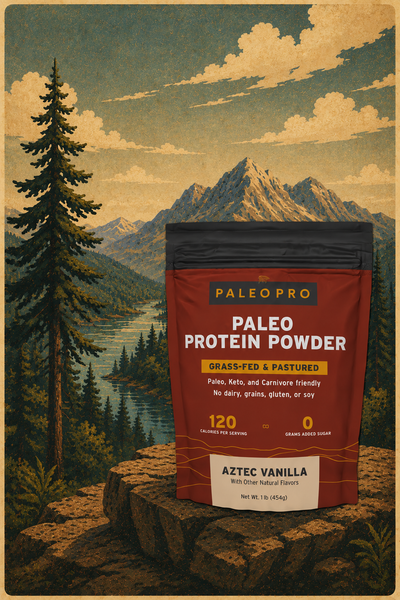
PaleoPro Bone Broth Collagen delivers these amino acids in the ratios naturally found in real bone broth — not synthesized or isolated, but sourced from grass-fed cattle. It dissolves in hot or cold liquid with virtually no taste, making it easy to add to coffee, smoothies, or just water.
The caveat: collagen is not a complete protein. It lacks tryptophan. Use it alongside a complete protein source, not as a replacement for one.
Beef Protein Isolate: Complete Protein, Zero Gut Damage
If collagen is the repair crew, beef protein isolate is the clean foundation. It delivers 26g of complete protein per serving — all nine essential amino acids — without any of the ingredients that damage guts in the first place.
No lactose. No dairy proteins. No gums. No artificial sweeteners. PaleoPro Paleo Protein Powder has four ingredients: HydroBEEF (beef protein isolate), egg white protein, monk fruit, and cold-pressed sunflower lecithin. That's a label your gut can actually work with.
The hydrolysis process that creates beef protein isolate pre-breaks the protein into smaller peptides. Your digestive system has less work to do. A 2019 review in Nutrients found that beef protein supplementation was well-tolerated and effective for supporting lean body mass (Valenzuela et al., 2019).
Beef protein isolate also contains meaningful amounts of glycine (~4-5% of total amino acids) — not as concentrated as bone broth collagen, but present. You're getting some gut-supportive amino acids alongside your complete protein.
Egg White Protein: A Clean Runner-Up
Egg whites are naturally dairy-free, easy to digest, and provide complete protein. They don't bring the gut-repair amino acids that collagen does, but they also don't bring the damage that whey does. A solid middle-ground option for people who tolerate eggs.
Not suitable for people with egg allergies or those following the autoimmune protocol (AIP). For AIP-friendly options, see our AIP protein powder guide.
Protein Powders for Gut Health: Comparison
| Protein Type | Gut Friendliness | Gut Repair Aminos | Complete Protein? | Common Irritants | Best For |
|---|---|---|---|---|---|
| Bone broth collagen | Excellent | High (glycine, glutamine, proline) | No (missing tryptophan) | None | Gut repair + supplemental protein |
| Beef protein isolate | Excellent | Moderate (glycine, proline) | Yes | None (in clean formulations) | Primary daily protein |
| Egg white protein | Good | Low | Yes | Egg allergen | Dairy-free complete protein |
| Whey isolate | Poor-Moderate | Low | Yes | Lactose (trace), dairy proteins | People without dairy sensitivity |
| Whey concentrate | Poor | Low | Yes | Lactose (5-8%), dairy proteins, often gums | Budget — if you tolerate dairy |
| Pea protein | Moderate | Low | Nearly (low methionine) | Often contains gums, inulin | Vegan/plant-based |
| Plant blends | Variable | Low | Varies | Gums, inulin, sweeteners | Vegan — read the label carefully |
The Gut Health Protein Stack
For people serious about gut health, the combination of bone broth collagen AND beef protein isolate covers both angles: repair and nutrition.
Morning: Bone Broth Collagen in coffee or warm water — delivers the glycine, proline, and glutamine your gut uses for repair overnight and into the morning.
Post-workout or meal replacement: Paleo Protein in a shake — delivers complete protein with all essential amino acids for muscle maintenance and satiety.
This isn't a gimmick. It's two different protein sources doing two different jobs. Collagen repairs. Beef protein builds. Together, they give your gut what it needs without any of what it doesn't.
What Else Supports Gut Health Beyond Protein?
Protein powder is one piece. The full picture includes:
- Fiber from whole foods — vegetables, fruits, and resistant starch feed beneficial gut bacteria. But go slowly if you're healing — too much fiber on an inflamed gut makes things worse before they get better.
- Fermented foods — sauerkraut, kimchi, and yogurt (if you tolerate dairy) provide live bacteria. Start small.
- Bone broth — the liquid version delivers the same amino acids as collagen peptides plus minerals and gelatin. Make it or buy it — either works.
- Eliminate known irritants — gluten, dairy, seed oils, and processed foods are the usual suspects. An elimination diet is the gold standard for identifying your personal triggers.
- Manage stress — your gut and brain communicate through the vagus nerve. Chronic stress increases intestinal permeability. No supplement fixes that.
Frequently Asked Questions
Is collagen or protein powder better for gut health?
They serve different functions. Collagen provides the specific amino acids (glycine, glutamine, proline) your gut lining uses for repair. Complete protein powders — like beef protein isolate — deliver all essential amino acids for overall nutrition and muscle maintenance. For gut health specifically, collagen has the edge. For total body needs, you want both. PaleoPro Bone Broth Collagen paired with Paleo Protein covers both bases.
Can protein powder cause leaky gut?
Protein itself doesn't cause leaky gut. But the ingredients in most protein powders can contribute to intestinal permeability. Dairy proteins and lactose trigger inflammation in sensitive individuals. Artificial sweeteners disrupt the microbiome. Gums and emulsifiers may irritate the gut lining. Switching to a clean, dairy-free protein powder removes these triggers. If you suspect leaky gut, work with a healthcare provider on an elimination protocol.
What protein powder is best for IBS?
Look for the shortest ingredient list possible with no dairy, no sugar alcohols (FODMAPs), no gums, and no inulin or chicory root fiber. Beef protein isolate and collagen peptides are typically well-tolerated by people with IBS because they avoid the major FODMAP triggers. PaleoPro Paleo Protein has four ingredients and zero FODMAPs. Always introduce new supplements one at a time so you can isolate any reactions.
Does whey protein damage gut health?
Whey protein itself isn't inherently damaging — if you tolerate dairy well, whey is fine. The problem is that most people don't tolerate dairy as well as they think. The combination of lactose, dairy proteins, artificial sweeteners, and gums found in most whey products creates a daily assault on sensitive guts. If you experience bloating, gas, or discomfort after whey shakes, your gut is telling you something. Our does whey have lactose article explains the mechanisms.
How long does it take for gut health to improve after switching protein powders?
Most people notice reduced bloating and digestive discomfort within 3-7 days of removing the offending ingredients. Meaningful gut lining repair takes longer — 4-8 weeks of consistent collagen intake alongside an anti-inflammatory diet. Complete microbiome recovery from artificial sweetener disruption can take 2-6 months. Be patient. Your gut didn't get damaged overnight and it won't heal overnight.
Is bone broth collagen the same as regular collagen supplements?
Not exactly. Bone broth collagen is derived from actual bone broth — it contains the amino acids, minerals, and peptides that come from simmering bones. Regular collagen supplements are typically hydrolyzed collagen peptides from hides or connective tissue. Both provide glycine, proline, and hydroxyproline. Bone broth collagen may contain additional compounds from the broth itself. We cover the full comparison in our bone broth collagen benefits article.
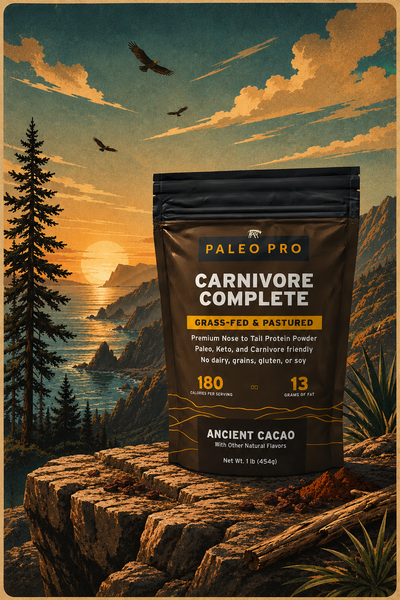
Your gut doesn't need another supplement. It needs you to stop giving it things that cause damage. PaleoPro Bone Broth Collagen delivers the amino acids your gut uses for repair. PaleoPro Paleo Protein delivers complete protein without dairy, gums, or artificial sweeteners. Browse our full protein collection.
Sources:
- National Institute of Diabetes and Digestive and Kidney Diseases (NIDDK). "Definition & Facts for Lactose Intolerance." niddk.nih.gov
- Suez, J., et al. (2022). "Personalized microbiome-driven effects of non-nutritive sweeteners on human glucose tolerance." Cell, 185(18), 3307-3328. Cell
- Bhattacharyya, S., et al. (2017). "A review of the role of carrageenan in gastrointestinal inflammation." Frontiers in Pediatrics, 5:96. PMC
- Razak, M.A., et al. (2017). "Multifarious Beneficial Effect of Nonessential Amino Acid, Glycine: A Review." Oxidative Medicine and Cellular Longevity, 2017. Springer
- Rao, R. & Samak, G. (2012). "Role of Glutamine in Protection of Intestinal Epithelial Tight Junctions." Journal of Epithelial Biology and Pharmacology, 5(Suppl 1-M7), 47-54. PMC
- Valenzuela, P.L., et al. (2019). "Supplements with purported effects on muscle mass and strength." Nutrients, 11(5), 1429. PMC