Gluten-Free Protein Powder: How to Choose One You Can Trust
Most protein powders start gluten-free: whey, casein, beef, egg white, collagen, pea, rice, and soy protein contain no gluten. The risk comes from what gets added and where it is made. In the U.S., a "gluten-free" label means under 20 parts per million of gluten. For celiac disease, look for that claim or third-party certification.
That is the short answer. The rest of this guide is how to tell a powder that is gluten-free by design from one that is gluten-free by assumption.
Is protein powder gluten-free?
The protein itself almost always is. FDA's rule defines the gluten-containing grains as wheat, rye, barley, and their crossbred hybrids, so a powder made from milk, meat, eggs, or non-gluten plants does not contain gluten as a starting ingredient.[3]
| Protein type | Source | Gluten in the protein itself? | Where risk can enter |
|---|---|---|---|
| Whey and casein | Milk | No | Flavorings, cookie or brownie pieces, shared equipment |
| Beef protein isolate | Beef | No | Added ingredients and facility |
| Egg white protein | Eggs | No | Added ingredients and facility |
| Collagen peptides | Bovine, marine, or poultry tissue | No | Added ingredients and facility |
| Pea, rice, hemp, and soy protein | Plants | No | Blends, oat ingredients, grain handling and milling |
So "is protein powder gluten-free?" has a two-part answer: the protein, yes; the finished product, only if the rest of the formula and the plant keep it that way.
If you want a starting point that avoids grain-based ingredients altogether, choose a powder whose label is short enough to check every line, then confirm how the gluten-free claim is verified.
What is the best gluten-free protein powder?
The best gluten-free protein powder is a complete protein that carries a gluten-free claim or certification, lists every ingredient plainly, and fits your other restrictions. Pick by your strictest need first.
| If you need | Look for | Check before buying |
|---|---|---|
| Celiac-safe | A third-party gluten-free certification, or a gluten-free claim the brand can back with testing | How often the finished product is tested, and the threshold used |
| Gluten-free and dairy-free | Beef, egg white, or plant protein with a gluten-free claim | No whey, casein, or milk solids; see the dairy-free protein powder guide |
| Gluten-free whey | Unflavored or simply flavored whey isolate labeled gluten-free | Mix-ins, malt flavorings, and the facility statement |
| Gluten-free and vegan | Pea, rice, or soy protein labeled gluten-free | Oat ingredients and grain-milling cross-contact |
| Fewest variables | An unflavored, unsweetened powder | The unflavored protein powder guide covers what "plain" still allows |
Fewer ingredients do not prove a product is gluten-free. They do make the label easier to audit, which is most of the job when you cannot see inside the factory.
What does a gluten-free label mean?
Under FDA's rule, a food labeled "gluten-free" must have any unavoidable gluten below 20 parts per million, or 20 milligrams of gluten per kilogram of food. An ingredient made from a gluten grain and processed to remove gluten, such as wheat starch, is allowed only if the finished food stays below that line.[3]
Three things follow from the rule:
- The claim is voluntary. FDA describes "gluten-free" as a claim manufacturers can use if they meet the requirements. A powder without the claim may still be gluten-free; it just is not promising it.[2]
- Certification is a stricter, separate layer. The Gluten-Free Certification Organization requires ingredients and finished products to test below the country's legal threshold or 10 ppm, whichever is lower.[4]
- Wheat is a declared allergen. Wheat is one of the major food allergens that must be named on the label, in the ingredient list or a "Contains" statement.[5] Barley and rye are not on that list, so malt ingredients need a closer read.
Shared-facility language is a different matter. FDA opened a request for information in 2026 on labeling and preventing gluten cross-contact in packaged food, which tells you the current rules leave gaps.[2] A missing warning is not proof of a gluten-free plant.
Where can gluten hide in a protein powder?
In the add-ins and the handling, almost never in the protein.
Malt and barley ingredients
Barley malt extract, malt flavoring, and malt syrup come from barley and show up in chocolate and "malted" flavors. A product that lists them is not gluten-free unless it meets the 20 ppm rule and says so.
Oat ingredients
Oats do not contain wheat gluten, but the supply is often mixed with other grains. A Health Canada study found about 88% of 133 commercial oat samples contaminated above 20 mg/kg; the one gluten-free oat variety tested was consistently negative.[6] Oat flour or oat fiber in a powder needs a gluten-free claim to be trusted.
Mix-ins and wheat-derived ingredients
Cookie pieces, brownie bits, and wheat-derived starches or fibers can carry gluten. The name on the tub ("cookies and cream," "birthday cake") is a strong hint to read carefully.
Shared equipment
A formula can have no gluten ingredients and still pick up gluten on a shared line. This is the risk a label cannot fully show you, and the one certification and batch testing exist to address.
Is whey protein gluten-free?
Whey itself is gluten-free because it comes from milk. Flavored whey is where the question gets real: malt flavorings, baked mix-ins, and shared equipment can add gluten to a milk protein that started without it. Unflavored whey isolate with a gluten-free claim is the lowest-risk version.
Whey still contains milk protein and some lactose, so it does not suit a dairy-free diet. The whey and lactose guide covers how much lactose different whey types carry, and the non-whey protein powder comparison covers the alternatives.
How careful do you need to be with celiac disease?
Very. Celiac disease affects an estimated 1 in 100 people worldwide, and in celiac disease gluten triggers damage to the small intestine.[1][2] In a 90-day trial in adults with treated celiac disease, a daily 50 mg gluten dose reduced the villous height to crypt depth ratio, a marker of intestinal damage. The 10 mg group changed little on average, though one patient in that group had a clinical relapse. The authors concluded contaminating gluten should stay below 50 mg a day.[7]
Fifty milligrams is a small amount. It is also the reason the ppm threshold matters: a powder under 20 ppm delivers under 0.6 mg of gluten in a 30-gram scoop, far below that line. That math only holds if the claim is true, which is why celiac shoppers should favor certified or tested products.
People avoiding gluten for other reasons can usually rely on a gluten-free label. People with celiac disease should follow their clinician's guidance and use the strictest standard available.
Is there a protein powder that is gluten-free and dairy-free?
Yes. Beef, egg white, pea, and rice proteins contain neither gluten nor dairy, so a powder built on them can meet both needs if the finished formula does. The dairy-free protein powder guide covers the gluten-free, dairy-free, and soy-free combination in detail.
How does PaleoPro's protein powder fit?
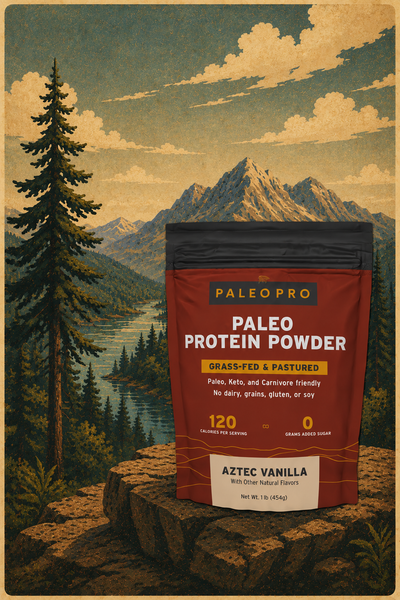
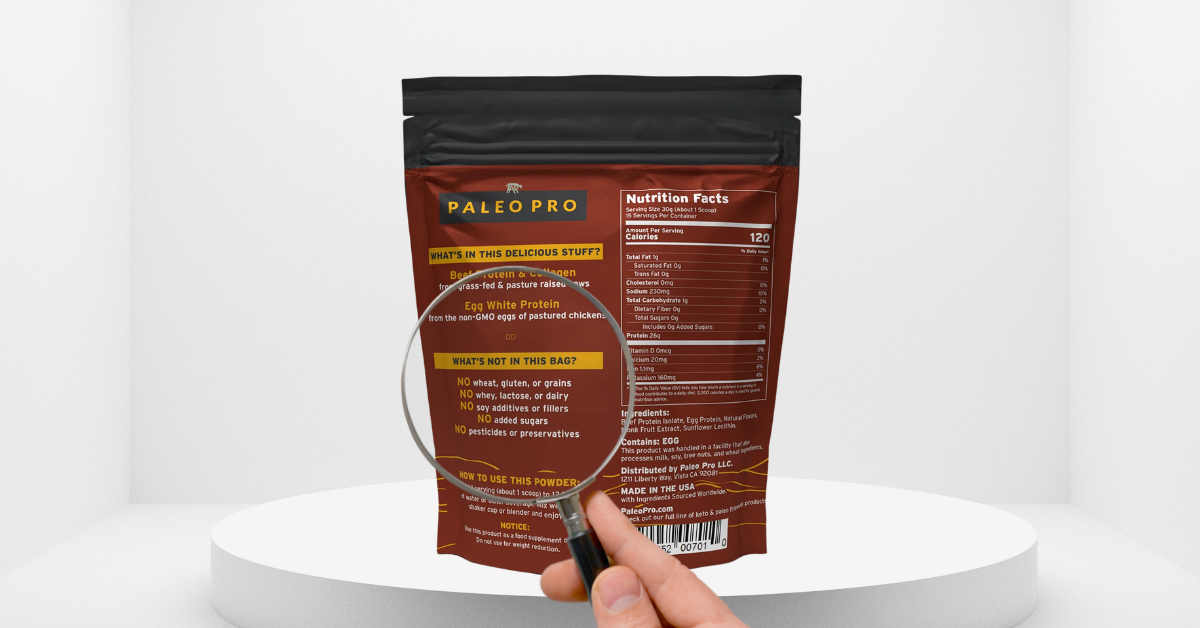
Paleo Protein Powder combines grass-fed beef protein isolate and egg white protein with sunflower lecithin, plus monk fruit and natural flavor in the flavored versions. The product page lists no wheat, gluten, or grains and describes the powder as gluten-free.[8] It contains egg.
If you have celiac disease, ask any brand, ours included, how its gluten-free claim is verified and how often the finished product is tested. That question takes one email and tells you more than the front of the bag. See the Paleo Protein ingredient list and flavors.
Looking for a gluten-free protein you can actually read? Paleo Protein Powder is made without wheat, gluten, dairy, or soy. Browse the full protein collection. Purchases are covered by PaleoPro's 60-day money-back guarantee.
Frequently Asked Questions
Is protein powder gluten-free?
The protein sources used in most powders, including whey, casein, beef, egg white, collagen, pea, rice, and soy, contain no gluten. The finished product can still contain gluten from malt flavorings, oat or wheat ingredients, mix-ins, or shared equipment, so check for a gluten-free claim.
Is whey protein gluten-free?
Whey comes from milk and contains no gluten. Flavored whey can pick up gluten from malt flavorings, baked mix-ins, or shared equipment. Choose a whey labeled gluten-free, and remember it still contains milk protein.
What does gluten-free mean on a protein powder label?
In the United States, a gluten-free label means any unavoidable gluten is below 20 parts per million. The claim is voluntary and self-applied. Third-party certification, such as GFCO's, adds independent testing to a stricter 10 ppm limit.
What is the best protein powder for celiac disease?
Choose a complete protein that is certified gluten-free or backed by finished-product testing, with no malt, oat, or wheat-derived ingredients. Beef, egg white, and plain whey or plant isolates are simple starting points. Confirm the testing with the brand.
Is certified gluten-free better than a gluten-free label?
For celiac disease, usually yes. A label claim means the maker says the product is under 20 ppm. Certification adds an outside organization's standard and testing; GFCO requires results below 10 ppm or the local legal limit, whichever is lower.
Are plant-based protein powders gluten-free?
Pea, rice, hemp, and soy proteins contain no gluten. Plant blends can include oat ingredients or be milled alongside grains, so look for a gluten-free claim on the finished product rather than assuming the source settles it.
Is beef protein powder gluten-free?
Beef protein isolate contains no gluten because it comes from beef. The finished powder is gluten-free only if its other ingredients and manufacturing are, so read the label and look for a gluten-free claim.
Sources
- Celiac Disease Foundation. What is Celiac Disease? Accessed 2026-09-25.
- U.S. Food and Drug Administration. Gluten-Free Labeling of Foods. Content current as of 2026-03-17; accessed 2026-09-25.
- Electronic Code of Federal Regulations. 21 CFR 101.91, Gluten-free labeling of food. Accessed 2026-09-25.
- Gluten-Free Certification Organization. GFCO. Accessed 2026-09-25.
- U.S. Food and Drug Administration. Food Allergies: What You Need to Know. Accessed 2026-09-25.
- Koerner TB, et al. “Gluten contamination in the Canadian commercial oat supply.” Food Additives & Contaminants: Part A. 2011;28(6):705-710. PubMed 21623493.
- Catassi C, et al. “A prospective, double-blind, placebo-controlled trial to establish a safe gluten threshold for patients with celiac disease.” American Journal of Clinical Nutrition. 2007;85(1):160-166. PubMed 17209192.
- PaleoPro. Paleo Protein Powder. Product page checked 2026-09-25.