Protein for Older Adults
Compare complete protein, collagen, and meal-building options by serving size, calories, allergens, and the job each drink needs to do.
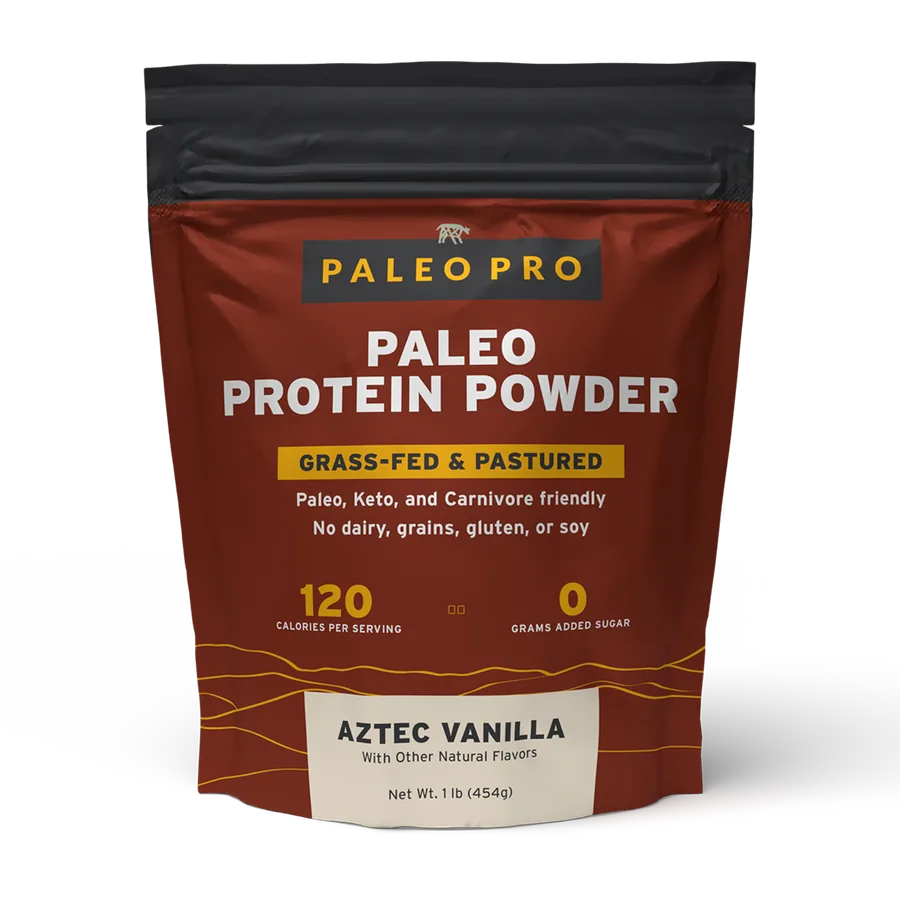
Beef & Egg Protein
26g protein · 120 calories · 5 ingredients · 0g added sugar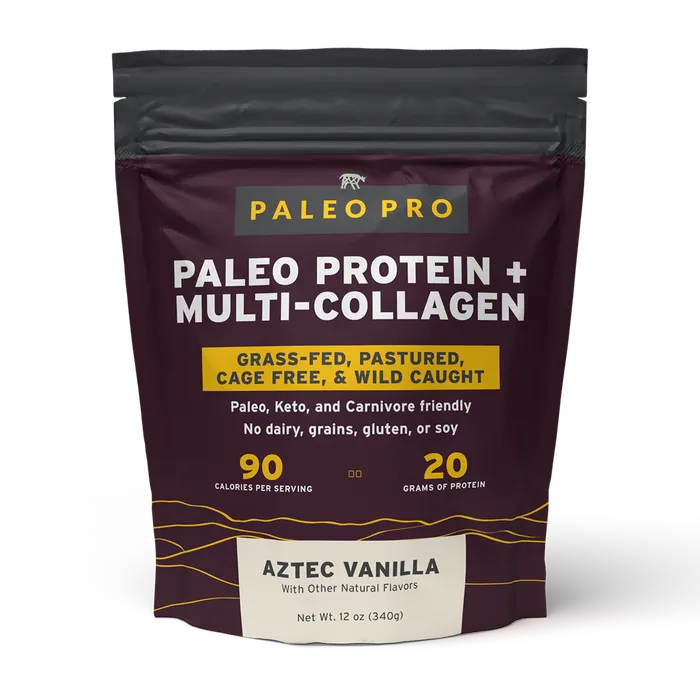
Protein + Multi Collagen
Beef & egg protein + multi collagen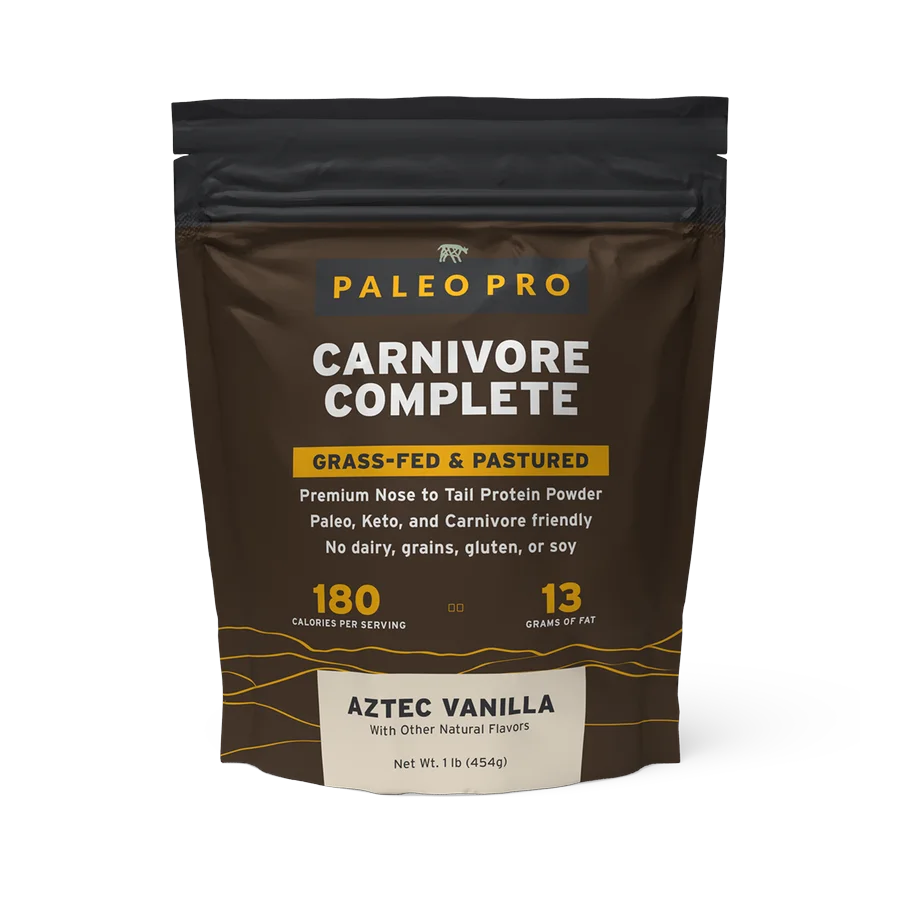
Carnivore Complete
13g protein · 13g healthy fats · 180 calories · 5 organs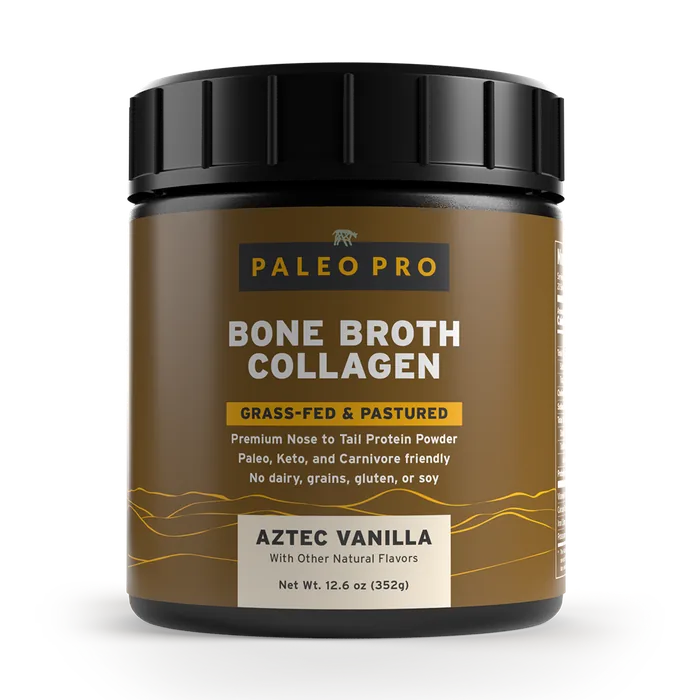
Bone Broth Collagen
Grass-fed bone broth · Collagen · Glycine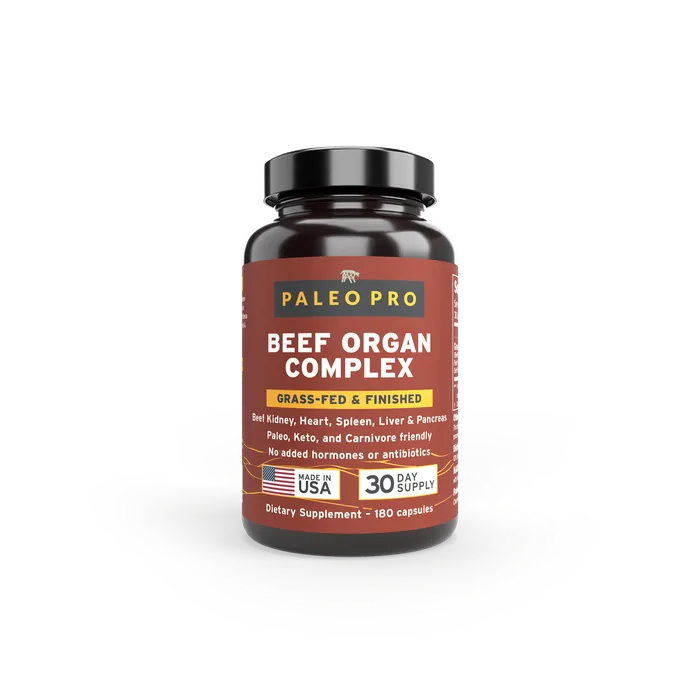
Beef Organ Complex
Liver · Heart · Kidney · Spleen · Pancreas
Daily Strength Stack (Save $20)
$47.98 View product→
Structural Rebuild Bundle (Save $20)
$52.98 View product→Choose a Protein Product by the Job It Needs to Do
A protein drink can close a gap when meals come up short. A complete nutrition shake can add calories when appetite is low. Collagen serves a different purpose. Start with the job, then compare protein quality, serving size, calories, allergens, and how easy the product is to use consistently.
Start With the Role
- Daily protein gap. Choose a complete protein or a thoughtfully combined blend, then size the serving around the rest of the meal. Our protein-drink label guide explains what to compare.
- Low appetite or unintended weight loss. Protein is only part of the decision. A product with more calories, carbohydrate, fat, vitamins, and minerals may fit better than a lean protein powder. Ask a clinician or registered dietitian when weight loss is unplanned.
- Collagen-specific use. Collagen contributes protein grams, but it lacks tryptophan and is not nutritionally interchangeable with a complete protein. Read how collagen counts on a label and where protein quality matters.
Read These Five Parts of the Label
- Protein source and quality. Look past the total grams. Confirm whether the product supplies all nine essential amino acids or combines sources that do.
- Amount per labeled serving. Count the protein already in the meal before deciding how much a drink needs to add.
- Calories and meal role. A lean powder can supplement a meal. It is not automatically a meal replacement.
- Allergens and tolerances. Whey contains milk. Paleo Protein Powder contains egg. Protein+ Multi-Collagen contains fish and egg-derived ingredients. Read the current package every time.
- Texture and preparation. Swallowing difficulty needs professional guidance. Do not thin or thicken a drink by guesswork.
Compare the Formats
- Paleo Protein Powder. A dairy-free beef-and-egg formula with 26 grams of complete protein, about 120 calories, and 0 to 1 gram of carbohydrate per labeled serving. It contains egg and is not a complete meal.
- Protein+ Multi-Collagen. A mixed protein-and-collagen formula with 20 grams of protein and 90 calories per labeled serving. Because part of the formula is collagen, compare it with your specific protein goal rather than treating every gram as interchangeable. Check the fish and egg allergen statements.
- Grass-Fed Bone Broth Collagen + Turmeric. A collagen-focused powder with 16 grams of collagen protein per labeled serving. Use it for a collagen-specific purpose, while keeping complete protein elsewhere in the day.
- Carnivore Complete. A different balance of protein and fat made with egg white protein, beef bone broth, tallow, and organ ingredients. Compare the current serving and allergens with the job you need the shake to do.
Food can do the same work. If meals are the better starting point, use the high-protein foods guide for older adults to build the day before adding a powder.
Frequently asked questions
What is the best protein supplement for an older adult?
Choose by the job. A complete protein powder can close a protein gap. A calorie-dense complete nutrition shake may fit low appetite or weight gain better. Collagen serves a different purpose and should not be treated as equivalent to complete protein.
How much protein do older adults need?
Needs vary with body size, activity, total food intake, and health. Expert groups often recommend more than the general adult minimum for many people over 65, but a clinician or registered dietitian should personalize intake when kidney function, diabetes, frailty, surgery, or another condition is involved.
What makes a protein complete?
A complete protein supplies all nine essential amino acids. Whey, egg white, and soy isolate are complete. Beef powders vary by source and processing, so check the finished formula or amino acid information rather than assuming every beef powder is the same.
Does collagen count as protein?
Collagen contributes to the protein grams on a Nutrition Facts label, but it is incomplete because it lacks tryptophan. It is not nutritionally interchangeable with a complete protein for every goal, especially when the drink supplies most of a meal's protein.
Is Paleo Protein Powder dairy-free?
Yes. Paleo Protein Powder uses beef protein isolate and egg white protein rather than whey or casein. It contains egg, so it is not suitable for an egg allergy. Check the current product and flavor label before buying.
Is protein powder a meal replacement?
Usually not by itself. Protein powder mainly contributes protein and may not supply enough calories, fat, carbohydrate, fiber, vitamins, or minerals for a complete meal. Build the rest of the meal with food or choose a product designed as complete nutrition.
When should an older adult ask a clinician about a protein drink?
Get individualized advice for unintended weight loss, swallowing difficulty, kidney disease, fluid limits, diabetes, surgery recovery, or another condition that changes nutrition needs. Use the texture and serving recommended by the care team.