Animal-Based Protein Powder: The Complete Guide
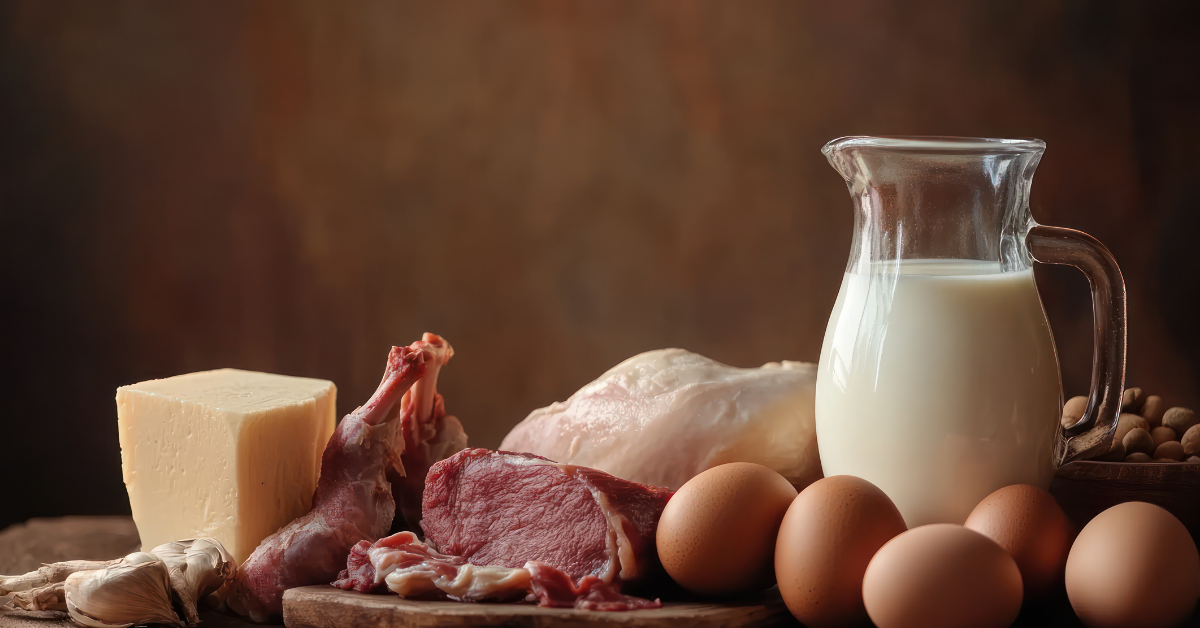
Animal-based protein powders are made from animal sources — beef, eggs, bone broth, or dairy. They include beef protein isolate, egg white protein, collagen peptides, whey, and casein. All animal-based proteins are complete proteins (except collagen), meaning they contain all nine essential amino acids your body can't make on its own. The best choice depends on your dietary restrictions, gut tolerance, and goals.

26g of complete protein from beef isolate and egg white, with no whey, casein, or lactose.
What Counts as Animal-Based Protein Powder?
"Animal-based" is broader than most people think. Here's the full lineup.
Beef Protein Isolate
Protein extracted from grass-fed beef through hydrolysis. The fat and cholesterol get removed during processing. What's left is concentrated, clean protein — 20-26g per serving with a complete amino acid profile.
This is PaleoPro's lane. I built the company around beef protein isolate because it was the cleanest, most digestible option I could find when dairy wasn't an option for me. Seven years later, the formula hasn't changed.
Diet compatibility: Paleo, carnivore, AIP, Whole30, keto. No dairy, no grains, no legumes.
Egg White Protein
Dried, powdered egg whites. Complete protein with excellent bioavailability. Your body absorbs it efficiently — egg protein has been the gold standard for protein quality measurement (PDCAAS score of 1.0) for decades.
PaleoPro actually includes egg white protein alongside beef protein isolate in our Paleo Protein Powder for a broader amino acid profile. We also make a standalone Egg White Protein.
Diet compatibility: Paleo, Whole30, keto, carnivore. Not AIP (the autoimmune protocol excludes eggs).
Collagen Peptides / Bone Broth Protein
Protein from connective tissue — skin, bones, tendons — broken into peptides for absorption. PaleoPro Bone Broth Collagen combines collagen with the amino acids from bone broth.
Here's the important caveat: collagen is not a complete protein. It's missing tryptophan entirely and is low in several other essential amino acids. Collagen is excellent for joint health, skin elasticity, gut lining, and hair/nails — we cover the full evidence for bone broth collagen and how collagen types I, II, and III differ in separate guides. But it can't replace a complete protein for muscle building. Use both.
Diet compatibility: Paleo, carnivore, AIP, Whole30, keto. Universal across ancestral diets.
Whey Protein
The most popular protein powder on the planet. Made from the liquid byproduct of cheese production. Complete protein with the highest leucine content of any common protein source, which makes it effective for triggering muscle protein synthesis.
Yes, whey is animal-based. It comes from milk. But it's also dairy, which means lactose, casein fractions, and all the digestive issues that come with them. If you tolerate dairy well, whey works. If you don't — and roughly 68% of adults globally have reduced lactose absorption — it's a problem.
Diet compatibility: Keto, general fitness. Not paleo, not Whole30, not AIP, not carnivore (debated — some include dairy).
Casein Protein
The other dairy protein. Digests slowly — 6-8 hours vs. 1-2 hours for whey. Often marketed as a "nighttime protein." Same dairy issues as whey: lactose, potential sensitivity, bloating for many people.
Diet compatibility: Same as whey. Keto-friendly but excluded from paleo, Whole30, and AIP.

26g of complete protein from beef isolate and egg white, with no whey, casein, or lactose.
Why Animal Proteins Beat Plant Proteins on Paper
This isn't an opinion. It's amino acid chemistry.
Animal proteins are complete. They contain all nine essential amino acids in ratios your body can use efficiently. Plant proteins are typically incomplete — low or missing in one or more essential aminos. Pea protein is low in methionine. Rice protein is low in lysine. Hemp is low in lysine and leucine.
The numbers tell the story:
Protein Quality Scores (DIAAS)
| Protein Source | DIAAS Score | Limiting Amino Acid |
|---|---|---|
| Whey protein | 1.09 | None |
| Beef protein | 1.00+ | None |
| Egg white protein | 1.13 | None |
| Whole egg | 1.13 | None |
| Casein | 1.00 | None |
| Pea protein | 0.82 | Methionine |
| Rice protein | 0.37-0.59 | Lysine |
| Hemp protein | 0.46-0.51 | Lysine |
| Soy protein | 0.90 | Methionine |
DIAAS (Digestible Indispensable Amino Acid Score) is the FAO's updated protein quality metric. A score of 1.0 or above means the protein provides all essential amino acids at or above required levels. Below 1.0 means you're short on at least one amino acid.
Every animal protein hits 1.0+. Most plant proteins don't.
Does that mean plant protein is useless? No. It means you need to combine sources (pea + rice, for example) or eat more total protein to compensate for lower quality. With animal protein, one scoop covers it. We go deeper on this in our is beef protein a complete protein article.
Leucine: The Muscle-Building Trigger
Leucine is the amino acid that triggers muscle protein synthesis. Think of it as the ignition key. Without enough leucine per meal (roughly 2.5-3g), the muscle-building signal doesn't fire as strongly.
| Source | Leucine per 25g Protein |
|---|---|
| Whey isolate | ~3.0g |
| Beef protein isolate | ~2.5g |
| Egg white | ~2.2g |
| Pea protein | ~2.0g |
| Rice protein | ~2.0g |
| Collagen | ~0.7g |
Whey has a slight edge on leucine. Beef protein isolate is close behind and above the 2.5g threshold. Both animal sources outperform plant sources. Collagen is the outlier — great for connective tissue, poor for muscle building.
Animal-Based Protein Powder Comparison Table
| Beef Protein Isolate | Egg White | Collagen Peptides | Whey Isolate | Casein | |
|---|---|---|---|---|---|
| Protein/serving | 20-26g | 20-25g | 10-20g | 24-30g | 24-26g |
| Complete protein? | Yes | Yes | No | Yes | Yes |
| DIAAS score | 1.0+ | 1.13 | N/A (incomplete) | 1.09 | 1.00 |
| Dairy-free? | Yes | Yes | Yes | No | No |
| Lactose-free? | Yes | Yes | Yes | Trace (<1%) | Trace |
| Common allergens | None | Eggs | None (beef source) | Dairy | Dairy |
| Gut tolerance | Excellent | Good | Excellent | Varies | Varies |
| Ingredient count (typical) | 3-6 | 3-5 | 2-4 | 5-15 | 5-15 |
| Paleo? | Yes | Yes | Yes | No | No |
| Whole30? | Yes | Yes | Yes | No | No |
| AIP? | Yes | No (eggs) | Yes | No | No |
| Carnivore? | Yes | Yes | Yes | Debated | Debated |
| Keto? | Yes | Yes | Yes | Yes | Yes |
| Price/serving | $1.50-2.50 | $1.25-2.00 | $1.00-2.50 | $0.80-2.00 | $1.00-2.00 |
The Animal-Based Diet Movement
The term "animal-based" has become popular thanks to doctors like Paul Saladino, who advocate for diets centered on animal products with some fruit, honey, and raw dairy. This isn't strict carnivore (meat only) — it's a broader framework that prioritizes animal-sourced nutrition while allowing certain plant foods.
For people following an animal-based approach, protein powder choices matter. The goal is avoiding processed plant ingredients, seed oils, and artificial additives. Beef protein isolate fits perfectly — it's derived from real food with minimal processing. So do egg white protein and collagen. If you're on the carnivore end of the spectrum, our carnivore diet supplements guide covers the full stack — and beef organ supplements are worth knowing about for nose-to-tail nutrition.
Whey sits in a gray area. It's technically animal-sourced, but the processing is extensive, and many animal-based advocates avoid conventional dairy. If you're animal-based and dairy-tolerant, whey works. If you're avoiding dairy, beef protein isolate is the clean swap. Our beef protein vs. whey comparison covers this in detail.
How to Choose the Right Animal-Based Protein
Skip the overthinking. Answer these questions:
Do you need a complete protein for muscle building? Beef protein isolate, egg white, or whey. Skip collagen as your primary protein.
Do you avoid dairy? Beef protein isolate or egg white protein. Both are complete, both are dairy-free.
Are you on AIP? Beef protein isolate is your only option. Eggs are excluded on AIP. Dairy is excluded. Collagen works as a supplement but isn't complete.
Do you want the shortest ingredient list? Beef protein isolate or collagen. Both typically have 3-6 ingredients. Whey products often have 10-15.
Want joint, skin, and gut support? Add collagen alongside your complete protein. They serve different purposes and work well together.
Budget matters most? Whey isolate, if you tolerate dairy. It's the cheapest complete animal protein per serving.
For a deeper look at all the non-whey options, check our non-whey protein powder guide. And if sourcing matters to you — grass-fed vs. grain-fed, pasture-raised vs. feedlot — our grass-fed protein powder article covers why it matters and what to look for.
Frequently Asked Questions
Is animal-based protein powder better than plant-based?
For amino acid completeness and digestibility, yes. Animal proteins score higher on DIAAS, contain all essential amino acids, and have more leucine per gram — the amino acid that triggers muscle building. Research has consistently shown that animal protein sources produce higher muscle protein synthesis rates than plant sources at equal doses. That said, plant proteins work. They just require more planning — combining sources and eating more total protein to compensate for lower quality.
What's the cleanest animal-based protein powder?
Look at the ingredient list. The fewer ingredients, the cleaner. PaleoPro Paleo Protein Powder has four: HydroBEEF, egg white protein, monk fruit, and sunflower lecithin. Compare that to most whey powders with 10-15 ingredients including gums, artificial sweeteners, and "natural flavors." Collagen peptides are similarly clean — many products have just one or two ingredients. The cleanness isn't about the protein type. It's about what else the brand puts in the tub.
Can I build muscle with beef protein instead of whey?
Yes. A 2018 study published in the Journal of the International Society of Sports Nutrition compared beef protein isolate and whey protein isolate over eight weeks of resistance training. Both groups gained comparable lean mass and strength. The key factor is total protein intake and amino acid completeness, not the specific source. Beef protein isolate is complete, has adequate leucine (2.5g per 25g protein), and works.
Is collagen protein enough on its own?
No. Collagen is missing tryptophan and is low in several other essential amino acids including leucine, isoleucine, and valine. It scores poorly for muscle building. Collagen is valuable for joint health, skin elasticity, gut lining, and connective tissue support — the research on those benefits is solid. But it should supplement a complete protein, not replace one. Take collagen for your joints. Take beef protein or egg white for your muscles.
Are insect protein powders considered animal-based?
Technically, yes. Cricket protein is derived from animals (insects are animals) and provides a complete amino acid profile. It's paleo-compliant in theory. But let's be real — the market for cricket protein powder is tiny, the taste is an acquired one, and availability is limited. It exists. It works biochemically. Most people aren't ready for it. Beef, eggs, and collagen cover everything you need without the mental barrier.
Is whey protein considered animal-based or dairy?
Both. Whey is derived from milk — an animal product — so it's animal-based by definition. But it's specifically a dairy product, which creates problems for people who are lactose intolerant, dairy-sensitive, or following diets that exclude dairy (paleo, Whole30, AIP). When people say "animal-based protein powder" in 2026, they're usually distinguishing from plant-based. When they say "non-dairy animal protein," they mean beef protein isolate, egg white, or collagen.
Looking for animal-based protein that skips the dairy? PaleoPro Paleo Protein Powder combines grass-fed beef protein isolate with egg white protein — complete amino acids, zero dairy, four ingredients. Add Bone Broth Collagen for joint and gut support. Exploring a carnivore or animal-based approach? Our complete carnivore diet guide covers food lists, meal plans, and which protein powders are compliant. Browse the full protein collection.
Want to go deeper on beef protein specifically? Read our Complete Guide to Beef Protein Powder for the full breakdown on sourcing, nutrition, and benefits.
Sources:
- National Institute of Diabetes and Digestive and Kidney Diseases (NIDDK). "Definition & Facts for Lactose Intolerance." niddk.nih.gov
- FAO (2013). "Dietary protein quality evaluation in human nutrition." FAO Food and Nutrition Paper 92. fao.org
- Sharp, M.H., et al. (2018). "The Effects of Beef Protein Isolate and Whey Protein Isolate Supplementation on Lean Mass and Strength." JISSN, 15(1). PMC
- van Vliet, S., et al. (2015). "The Skeletal Muscle Anabolic Response to Plant- versus Animal-Based Protein Consumption." Journal of Nutrition, 145(9). PubMed
- Gorissen, S.H.M., et al. (2018). "Protein content and amino acid composition of commercially available plant-based protein isolates." Amino Acids, 50(12). PMC
