Clean Protein Powder Ingredients: A Practical Label Guide
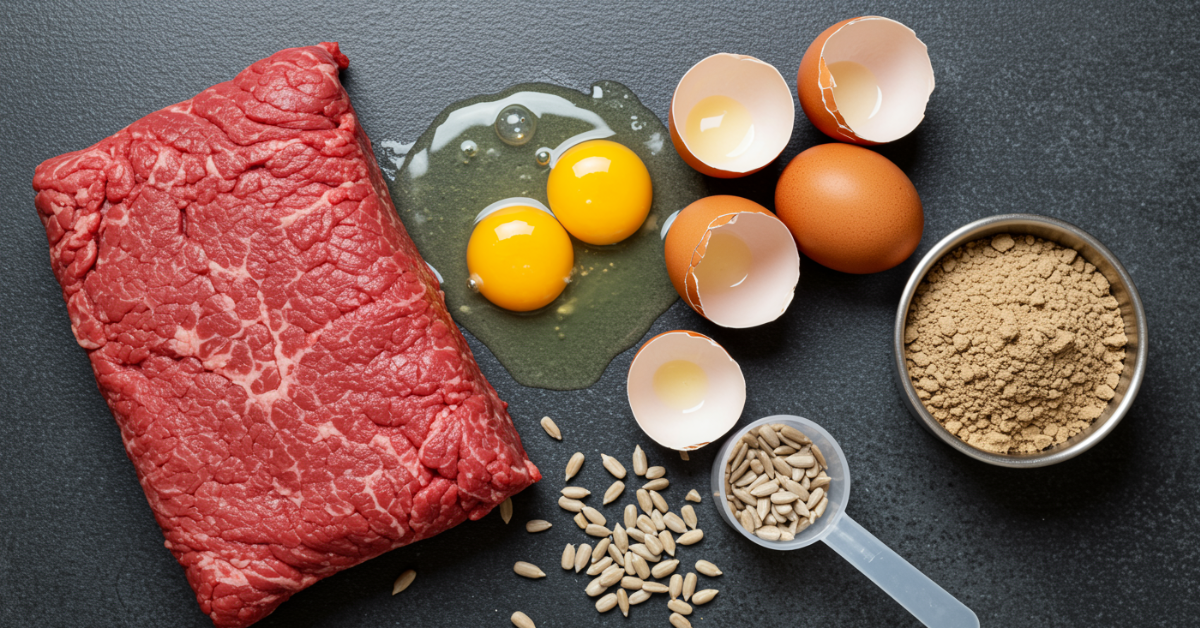
“Clean protein” has no single FDA definition, so the front-label claim cannot make the decision for you. A useful clean protein powder guide checks the protein source, amount per serving, complete ingredient statement, allergen disclosure, sweetener, and relevant testing. A short label can help, but ingredient count alone does not prove quality, safety, or tolerance.
The good news is that the back of the bag is much more specific than the front. You can make a solid decision in about a minute once you know where to look.
What should “clean protein” mean when you shop?
Use “clean” as a personal checklist, not a scientific grade. One buyer may care most about dairy. Another may want an unsweetened formula. A competitive athlete may put certified sport testing first. The term only becomes useful after you define it.
Start with six questions:
- What ingredient supplies the protein?
- How many grams of protein are in the labeled serving?
- Is the protein complete, complementary, or collagen-focused?
- Which major allergens are declared?
- What sweeteners and flavor ingredients are present?
- What exactly was tested, by whom, and for which lot?
Those questions give you a label standard you can use across brands. The useful clean protein powder is the one that answers them without making you guess.
Keep the free protein label checklist open while you compare bags. It puts the same six questions on one printable page.
How do you read protein powder ingredients?
Ingredients generally appear by common or usual name in descending order by weight, subject to specific labeling exceptions.[1] That makes the first few entries a quick map of the formula.
| Label area | What it tells you | What it cannot prove |
|---|---|---|
| Protein source | Whey, beef isolate, egg white, pea, soy, rice, collagen, or a blend | Amino acid quality unless the source or profile supports it |
| Protein grams | Amount in the labeled serving | Whether you will enjoy or tolerate it |
| Ingredient statement | Sweeteners, flavors, emulsifiers, gums, oils, and other components | Exact amount of every ingredient |
| Allergen disclosure | Declared major allergens such as milk, egg, or soy | Absence of every possible sensitivity |
| Testing statement | What a brand says it tests | Lot-specific results unless those are available |
| Serving size | The basis for every nutrition number | What you will actually scoop without weighing it |
Read the ingredient list beside the nutrition panel. A formula can be short and supply little protein per calorie. Another can contain a few functional ingredients and be a better fit for your goal. Context beats counting.
Which protein source fits your goal?
Protein sources do different jobs. A clean label should make the source obvious enough that you can judge it.
Complete proteins
Egg white, whey, soy, and verified complete animal-protein formulas contain all nine essential amino acids. Some beef protein products publish a complete amino acid profile or combine beef isolate with another complete protein. Other beef isolates are collagen-rich, so the words “beef protein” alone are not enough.
Complementary plant proteins
Pea and rice are often blended because their amino acid strengths complement each other. A plant blend can be a strong choice for a vegan buyer without pretending every plant source is identical.
Collagen
Collagen supplies glycine, proline, and hydroxyproline but lacks tryptophan. It has a different purpose from a complete protein powder. If your main goal is daily protein or training support, keep complete protein elsewhere in the diet.
For a closer look at source differences, use the non-whey protein powder guide or the complete guide to beef protein powder.
Are fewer ingredients always better?
No. Fewer ingredients make a label easier to audit, but they do not guarantee a better product. An emulsifier can improve mixing. Cocoa changes flavor and nutrition. A gum can change texture. Those ingredients are not automatically harmful because their names are less familiar than “egg.”
Ask what each ingredient does:
- Sweetener: changes sweetness without necessarily adding sugar.
- Flavor or cocoa: builds the finished taste.
- Lecithin: helps powder disperse in liquid.
- Gum or thickener: changes body and texture.
- Salt: balances flavor.
- Enzyme: may support processing or digestion, depending on the formula.
The red flag is not length by itself. It is an ingredient that conflicts with your needs, an undeclared allergen, a vague blend that hides the protein source, or a claim the label does not support.
How should you judge sweeteners?
Identify the exact sweetener before deciding whether it fits. FDA lists sucralose, aspartame, acesulfame potassium, and several others as approved food additives. Certain purified steviol glycosides and monk fruit extracts have GRAS-notice histories that FDA did not question under their intended uses.[2]
Sweetener source does not settle taste. A small sensory study found lingering bitter, metallic, and chemical side-taste citations for the monk fruit sample tested in water.[3] Steviol glycosides can activate bitter as well as sweet receptors.[4] A finished powder includes protein, flavors, salt, and other ingredients that change perception.
Choose by your priorities:
- If you dislike stevia, screen for steviol glycosides and named rebaudiosides.
- If you avoid sucralose, check the ingredient list rather than relying on a “zero sugar” claim.
- If you avoid all sweeteners, choose an unsweetened formula and verify the full list.
- If taste drives consistency, buy the smallest size first.
The monk fruit, stevia, and sucralose comparison covers the evidence and its limits.
What allergen information matters?
Protein powders can contain milk, egg, soy, or other major allergens. Federal requirements call for major allergens to be declared as required by law.[1] Read both the ingredient statement and the allergen disclosure every time you change product or flavor.
“Dairy-free” does not mean allergen-free. Egg white protein is dairy-free and still contains egg. Whey isolate is a milk protein even if it contains little lactose. A facility statement also answers a different question from the ingredients intentionally added to the formula.
If you have a diagnosed food allergy, follow the label and your clinician's guidance. Marketing language such as paleo, keto, or clean is not an allergen control plan.
What does third-party testing tell you?
Testing is useful when the brand says what was tested and provides enough detail to evaluate it. Look for the laboratory, test scope, date or lot, and whether the result covers identity, microbes, heavy metals, banned substances, or label accuracy.
A logo is useful only within its scope. Sport certification matters to tested athletes. A contaminant panel addresses contaminants. Neither tells you whether you like the flavor or whether the protein source is complete.
Ask for current, product-specific evidence. “Third-party tested” without a report or program name leaves most of the work to you.
What is in PaleoPro Paleo Protein Powder?
The formula varies by flavor, which is why one ingredient count should not be repeated across the entire line.[5]
| Flavor | Current ingredient count | Sweetener | Important disclosure |
|---|---|---|---|
| Plain Naked | 3 | None | Contains egg |
| Aztec Vanilla | 5 | Monk fruit | Contains egg |
| Mayan Mocha | 5 | Monk fruit | Contains egg |
| Ancient Cacao | 6 | Monk fruit | Contains egg; includes cocoa powder |
Each flavor combines grass-fed beef protein isolate with egg white protein and supplies 26 grams of complete protein per serving. The current product page lists about 120 calories and 0 to 1 gram of carbohydrate, depending on flavor.[5]
That is a transparent label example, not a universal definition of clean. Buyers who avoid egg need another product. Buyers who want zero sweetener should choose Plain Naked. Buyers who want a flavored formula can compare the three full ingredient lists.
Frequently asked questions
What is a clean protein powder?
There is no single regulated definition. Use a checklist covering protein source, protein amount, ingredients, allergens, sweetener, and testing. A product is useful when those facts match your needs.
Is a short ingredient list healthier?
Not automatically. A short list is easier to review, but ingredient count does not establish protein quality, safety, or tolerance. Judge each ingredient by its function and your requirements.
Are gums and lecithins fillers?
They are functional ingredients used for texture or mixing. Some buyers avoid them for personal reasons, but their presence alone does not prove a powder is low quality. Check the finished formula and serving.
Does natural flavor tell you every component?
No. “Natural flavor” is a labeling term for a flavor system, not a complete ingredient-by-ingredient recipe. If a specific component matters to an allergy or dietary restriction, ask the manufacturer.
Is grass-fed protein automatically better?
Grass-fed is a sourcing claim. It does not establish amino acid completeness, contaminant results, taste, or tolerance. Verify the protein source and product-level testing as separate questions.
Does clean protein powder have to be unsweetened?
No. Some buyers include purified plant- or fruit-derived sweeteners in their definition. Others want no sweetener. State your rule first, then read the exact ingredient list.
Is PaleoPro allergen-free?
No. Paleo Protein Powder contains egg white protein and therefore contains egg. It contains no whey or casein, but dairy-free does not mean free of every major allergen.[5]
You do not need a perfect label. You need one you understand and can use consistently.
Ready to apply the checklist? Compare all four Paleo Protein Powder labels, including unsweetened Plain Naked, or browse the protein collection. Purchases have a 60-day money-back guarantee.
Sources
- U.S. Food and Drug Administration. Food Labeling Guide and Food Allergen Labeling Requirements. Accessed 2026-09-17.
- U.S. Food and Drug Administration. High-Intensity Sweeteners. Accessed 2026-09-17.
- Tan VWK, Wee MSM, Tomic O, Forde CG. “Temporal sweetness and side tastes profiles of 16 sweeteners using temporal check-all-that-apply (TCATA).” Food Research International. 2019;121:39-47. PubMed 31108762.
- Hellfritsch C, et al. “Human Psychometric and Taste Receptor Responses to Steviol Glycosides.” Journal of Agricultural and Food Chemistry. 2012;60(27):6782-6793. DOI 10.1021/jf301297n.
- PaleoPro. Paleo Protein Powder. Product and flavor labels checked 2026-09-17.
