Keto Protein Powder: How to Choose a Low-Carb Option
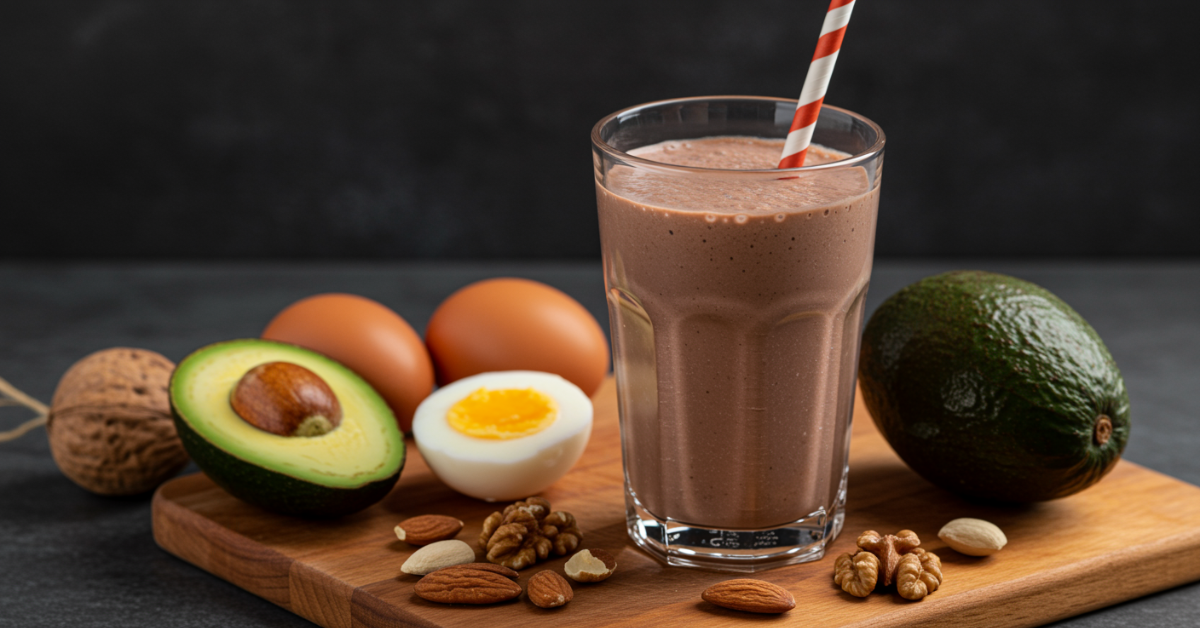
A keto protein powder fits your daily carbohydrate target while covering your protein. Many unflavored beef isolate, egg white, and whey isolate powders are zero-carb or close to it; flavored versions can add carbohydrate. Check total carbohydrate, fiber, sugar alcohols, and serving size, then count the scoop against the rest of your day.
The word “keto” on the bag does not answer the practical question. Use the nutrition panel to decide whether one serving belongs in your day.
What makes a protein powder keto-friendly?
A keto-friendly protein powder has a small enough carbohydrate load to fit your daily plan, a useful amount of protein, and ingredients you tolerate. Ketogenic diets often restrict carbohydrate sharply, but there is no universal rule that every scoop must contain zero grams. Your total intake matters.[1]
Use this label check:
| Label item | What to look for | Why it matters |
|---|---|---|
| Total carbohydrate | A number that fits your daily target | “Keto” has no value if the serving uses most of your carb budget |
| Fiber | Type and amount | Some added fibers cause bloating even when net carbs look low |
| Added sugar | Prefer zero or very little | Added sugar spends carbohydrate without adding protein |
| Protein | Usually 20 grams or more for a main shake | A small collagen serving and a complete protein serving do different jobs |
| Serving size | Grams per scoop | Tiny serving sizes can make the panel look cleaner |
| Ingredients | Protein source, sweetener, flavors, fats, gums | The formula affects allergens, taste, and tolerance |
A powder does not need added fat to be keto-friendly. Fat can come from meals or from what you add to the shake. Choosing a low-fat protein can make the rest of the day easier to adjust.
The useful target is a powder whose protein and carbohydrate numbers fit without mental gymnastics.

26g of complete protein with 0 to 1g carbs per scoop, plus no whey, dairy, soy, or added sugar.
Which protein types work best on keto?
Several protein types can fit. Choose according to carbohydrate content, protein quality, dairy tolerance, and whether you eat animal foods.
Beef protein isolate
Beef protein isolate is naturally dairy-free and can be very low in carbohydrate. Product formulas vary, so check the label rather than assuming every beef powder is zero-carb or nutritionally identical.
Paleo Protein Powder combines grass-fed beef protein isolate and egg white protein. The current product data lists 26 grams of complete protein, about 120 calories, 0 to 1 gram of carbohydrate, and no added sugar per serving. It contains egg. Plain Naked has no sweetener, while flavored versions use monk fruit.
That combination suits someone who wants a low-carb, dairy-free complete protein and tolerates egg. It does not suit an egg allergy or the AIP elimination phase.
Egg white protein
Egg white protein is complete, dairy-free, and commonly low in carbohydrate. Plain versions are easy to assess because the ingredient list is short. Flavored formulas can add carbohydrate, so read each flavor's panel.
Egg white can foam when blended. That is useful in baking and mildly theatrical in a shaker cup.
Whey isolate
Many whey isolates fit keto macros. They tend to be low in carbohydrate and rich in essential amino acids. Whey remains a milk protein, even when the lactose content is low. People avoiding dairy protein should choose another source.
Protein stimulates insulin as part of normal amino acid handling, so a post-meal insulin response alone does not make whey incompatible with keto. Ketosis depends on the overall diet and individual response.[2]
The beef protein and whey comparison covers the broader tradeoffs if both fit your carbohydrate target.
Plant protein
Pea, soy, rice, and blended plant powders can fit keto when the serving is low enough in carbohydrate. Soy is complete. Pea and rice complement each other's amino acid limits. Flavored plant powders sometimes add fibers or carbohydrate for texture, so compare the finished product rather than judging the protein source in isolation.
Collagen peptides
Collagen is often very low in carbohydrate and mixes into coffee or other hot drinks. It lacks tryptophan and is not a complete protein. Count it as protein on the nutrition panel, but keep complete proteins in the diet as well.
If you want collagen beside a complete protein, Protein+ Multi-Collagen combines 20 grams of protein with four collagen sources, 90 calories, and no sugar. It is a different tool from a 26-gram complete-protein shake.
How do keto protein powders compare?
| Protein type | Typical keto fit | Complete protein? | Dairy-free? | Main check |
|---|---|---|---|---|
| Beef protein isolate | Often very low carb | Formula-dependent; verify | Yes | Amino acid profile and other ingredients |
| Egg white | Often very low carb | Yes | Yes | Egg allergy and flavor additions |
| Whey isolate | Often low carb | Yes | No | Milk allergy, lactose tolerance, flavor carbs |
| Soy isolate | Can be low carb | Yes | Yes | Soy allergy and finished formula |
| Pea/rice blend | Can fit | Complementary blend | Yes | Total carbs, fiber, and serving size |
| Collagen | Often very low carb | No | Yes | Use alongside complete protein |
The word “typical” earns its keep here. A chocolate flavor, meal-replacement blend, or fiber-heavy formula can differ substantially from a plain isolate.
Is there a zero-carb protein powder?
Yes, on the label. FDA rules let a product declare 0 grams of carbohydrate when a serving contains less than 0.5 grams, so "0 g" means under half a gram, not none.[4] Unflavored beef protein isolate, egg white protein, and some whey isolates often land there. Flavors, cocoa, fibers, and sweetener carriers are what usually push a powder above zero.
For keto, the difference between 0 and 1 gram per scoop rarely matters. The difference between one scoop and three, or between water and a sweetened milk, often does. Paleo Protein Powder lists 0 to 1 gram of carbohydrate per serving depending on flavor, and Plain Naked has no sweetener.
How do you calculate net carbs in protein powder?
Net carbs usually means total carbohydrate minus fiber, and sometimes minus sugar alcohols. The term has no FDA definition, so companies calculate it differently. Do the math yourself from the Nutrition Facts panel:
- Start with total carbohydrate per serving.
- Subtract dietary fiber.
- Decide how to treat sugar alcohols. Erythritol has little effect on blood sugar, while maltitol has a larger one, so subtracting every sugar alcohol as zero overstates how low the powder is.
Example: a scoop with 5 grams of total carbohydrate and 3 grams of fiber comes to 2 grams of net carbs. If a powder needs that much arithmetic, a plainer formula is easier to count.
Which low-carb protein powders are best for keto?
The best low-carb protein powder for keto is the lowest-carb option you tolerate that also covers complete protein:
- Dairy-free and complete: beef-and-egg blends or egg white protein. Our dairy-free protein powder guide compares them.
- You tolerate dairy: whey isolate, which usually carries less carbohydrate than whey concentrate.
- Plant-based: soy isolate or a plain pea-and-rice blend, read flavor by flavor.
- Beef only: a single-ingredient beef isolate, compared in our beef protein powder brand guide.
- Collagen: a very low-carb add-on, not a replacement for complete protein.
Which ingredients deserve a closer look?
The nutrition panel gives the carbohydrate count. The ingredient list helps explain it and predicts how the shake may feel.
- Added sugar, dextrose, and syrups: These add digestible carbohydrate directly.
- Maltodextrin: It is a rapidly digestible carbohydrate and can appear in flavor systems or powdered fats.
- Sugar alcohols: Erythritol, maltitol, sorbitol, and others differ in absorption and digestive effects. Do not treat them as interchangeable.
- Inulin or chicory root fiber: These can fit a net-carb calculation but cause gas or bloating in some people.
- Powdered coconut or MCT products: They may contain carriers. Read the full ingredient list.
- “Natural flavors”: The term does not reveal the entire flavor system. Use the declared carbohydrate number and ask the company when a medical or dietary restriction requires more detail.
A short label has limited value when the powder sits untouched. Find a formula you tolerate and enjoy, with macros you can count accurately.
Will too much protein stop ketosis?
Extra dietary protein does not automatically become glucose. Ketone and glucose responses vary with the full diet, protein dose, activity, and the individual, so use your measured response and clinical guidance when ketosis is therapeutic.[1]
Protein remains essential for maintaining lean tissue. Sports-nutrition guidance commonly places active adults above the minimum RDA, with needs depending on training, age, energy intake, and goals.[3] A person using a ketogenic diet for epilepsy or another medical reason may have a tightly prescribed protein range and should follow the clinical plan.
For general use, set a daily protein target with a qualified professional if needed, then choose a powder that helps reach it without pushing carbohydrate beyond your plan. Chasing higher ketone readings at the expense of adequate protein is a poor trade for most active adults.
How do you build a keto protein shake?
Start with four decisions:
- Protein: Use a serving that fits your target.
- Liquid: Water, unsweetened almond milk, or unsweetened coconut beverage keep carbohydrate predictable.
- Fat, if wanted: Nut butter, avocado, coconut cream, or MCT oil changes calories quickly. Measure it.
- Flavor: Cocoa, cinnamon, coffee, or a small amount of low-carb fruit can work within the day's plan.
A basic shake can be one scoop of low-carb protein with cold water or an unsweetened milk alternative, plus ice and cinnamon. Add fat when it helps your meal plan or satiety.
For baking, plain or flavored protein can work in muffins, pancakes, and bars, but protein powders absorb liquid differently. Start with a recipe written for your protein type. Our high-protein muffin guide gives you a place to begin.
How do you build a 39g protein shake for a quick meal?
Combine 30g Aztec Vanilla Paleo Protein with 30g Aztec Vanilla Carnivore Complete in water for a label-based total of 39g protein, 300 calories, 14g fat and 3g total carbohydrate. The recipe combines beef and egg protein with tallow, bone broth and a five-organ blend. It suits a flexible animal-based approach that allows monk fruit and sunflower lecithin.
See the keto and carnivore meal replacement stack guide for the exact serving calculation and ingredients. Meal replacement describes a use occasion here; these food supplements are not nutritionally complete or intended for weight reduction.
Frequently Asked Questions
What is the best keto protein powder?
The best keto protein powder fits your carb target, supplies the kind of protein you need, and agrees with your digestion. Beef protein and egg white work well for dairy-free complete protein. Whey isolate can fit if you tolerate dairy. Plant isolates can fit when the finished label is low in carbohydrate.
Will protein powder kick me out of ketosis?
It can affect ketone readings depending on the product, serving, total diet, and individual response. A low-carb serving that fits your daily plan is unlikely to be the only deciding factor. Medical ketogenic diets require clinician guidance.
Is whey protein keto-friendly?
Many whey isolates are low enough in carbohydrate to fit keto. Whey concentrate often contains more carbohydrate. Check the nutrition panel and remember that both are milk proteins.
Is there a 0 carb protein powder?
Yes. Many unflavored beef isolate, egg white, and whey isolate powders list 0 grams of carbohydrate. Under FDA labeling rules, that means less than 0.5 grams per serving. Flavored versions can list more, so check the exact flavor you plan to buy.
Should you count net carbs or total carbs in protein powder?
Either works if you stay consistent. Net carbs subtract fiber and sometimes sugar alcohols, but the term has no FDA definition. If a powder's low net-carb claim depends on large amounts of fiber or sugar alcohols, count total carbohydrate to be safe.
Does keto protein powder need added fat?
No. A low-fat protein powder can fit a high-fat diet because fat can come from meals or shake ingredients. This also gives you more control over calories and texture.
Does collagen count as protein on keto?
Collagen contributes protein grams but is incomplete because it lacks tryptophan. Use it alongside complete proteins rather than letting collagen supply most of your daily protein.
Are plant protein powders keto-friendly?
Some are. Compare total carbohydrate, fiber, serving size, and the full ingredient list. Plain soy, pea, or blended isolates may fit more easily than sweetened meal-replacement formulas.
How many keto protein shakes can I have per day?
Use enough to close your protein gap without crowding out whole foods. For many people that is one shake. The right number depends on body size, training, appetite, and the rest of the diet.
Want a low-carb complete protein without whey? See Paleo Protein Powder, or compare animal-based options in the protein collection. PaleoPro backs purchases with a 60-day money-back guarantee.
Sources
- Paoli A. “Ketogenic Diet for Obesity: Friend or Foe?” International Journal of Environmental Research and Public Health. 2014. PMC.
- Nilsson M, et al. “Glycemia and insulinemia in healthy subjects after lactose-equivalent meals of milk and other food proteins.” American Journal of Clinical Nutrition. 2007. DOI.
- Jäger R, et al. “International Society of Sports Nutrition Position Stand: protein and exercise.” Journal of the International Society of Sports Nutrition. 2017. PMC.
- U.S. Food and Drug Administration. 21 CFR §101.9: Nutrition labeling of food (paragraph (c)(6), carbohydrate declaration).
