Can You Drink Protein Shakes on the Carnivore Diet?

Protein shakes can fit a carnivore approach when their full ingredient list matches the foods you include. Animal-derived protein alone does not make a powder plant-free. Strict animal-food-only eaters need to check for sweeteners, lecithin and flavorings; a flexible animal-based approach may allow those ingredients.
What Is the Carnivore Diet?
The carnivore diet means eating animal products only. Meat, fish, eggs, animal fats. No fruits. No vegetables. No grains, legumes, seeds, or plant oils. Nothing that grew out of the ground.
The strictness varies. Some people eat meat and water, full stop. Others include butter, heavy cream, and hard cheese. A few allow coffee — which is technically a plant, but good luck convincing a carnivore dieter to give up coffee. (I've watched that argument play out online. Nobody wins.)
The common ground: animal products in, plant products out. Everything else is a conversation within the community. For a comprehensive breakdown — including food lists, meal plans, and getting started — see our complete carnivore diet guide.
People come to carnivore for different reasons. Autoimmune issues. Gut problems. Mental clarity. Weight loss. The motivations vary, but the framework doesn't — your plate should be animal-sourced.
Is Protein Powder Even "Allowed" on Carnivore?
This is where the community splits.
The purists say no. Their logic: carnivore means whole animal foods. Steak. Eggs. Organ meats. A processed powder isn't what your ancestors ate. It's not a whole food. It doesn't belong.
The pragmatists say yes. Their logic: if the protein comes from beef with no plant additives, it's animal-derived. If beef jerky is carnivore, powder made from the same animal is too. The processing method doesn't change the source.
I land somewhere practical. Whole food comes first, always. A ribeye gives you more than any powder — fats, micronutrients, the full package. But real life isn't always a ribeye. Sometimes you're in an airport. Sometimes you finished a hard workout and your next meal is two hours away. Sometimes it's 9 PM and you're 50 grams short on protein.
Protein powder is a supplement. It fills gaps. It doesn't replace your food. Using it as a tool to hit your protein targets while staying carnivore is practical, not cheating.
Which Protein Powders Are Carnivore-Compliant?
Here's where it gets specific. Not every protein powder qualifies — even ones that look animal-based on the front of the label.
Carnivore Compliance at a Glance
| Protein Type | Carnivore Tier | Protein/Serving | Complete? | Notes |
|---|---|---|---|---|
| Unflavored beef protein isolate | Depends on the full ingredient list | 26g | Yes | Check the full label; unflavored formulas may still contain plant-derived ingredients |
| Bone broth protein (unflavored) | Depends on the full ingredient list | 15-20g | No | Rich in glycine/proline, great for gut and joints |
| Egg white protein (unflavored) | Depends on the full ingredient list | 24g | Yes | Animal-sourced, clean label, high bioavailability |
| Flavored beef protein isolate | Relaxed carnivore | 26g | Yes | May contain stevia, cocoa, or vanilla (plant-derived) |
| Whey protein isolate | Relaxed carnivore | 25g | Yes | Dairy-based but not tolerated by all |
| Collagen peptides | Relaxed carnivore | 10-18g | No | Useful supplement, not a primary protein source |
| Plant-based protein | Not carnivore | 20-24g | Varies | Pea, soy, rice, hemp — none qualify |
| Blended protein (whey + plant) | Not carnivore | 20-30g | Yes | Any plant ingredient disqualifies the whole product |
For strict animal-food-only eating, check every ingredient even in an unflavored powder. The protein source and flavor name alone do not establish whether a formula is plant-free.
Does beef protein isolate fit your ingredient rules?
Beef is an animal protein source. The complete ingredient list determines whether the finished powder fits your approach.
Beef protein isolate goes through hydrolysis — the beef is broken down into amino acids and peptides, then dried into powder form. Fat and cholesterol get removed. What remains is concentrated, complete protein with all nine essential amino acids.
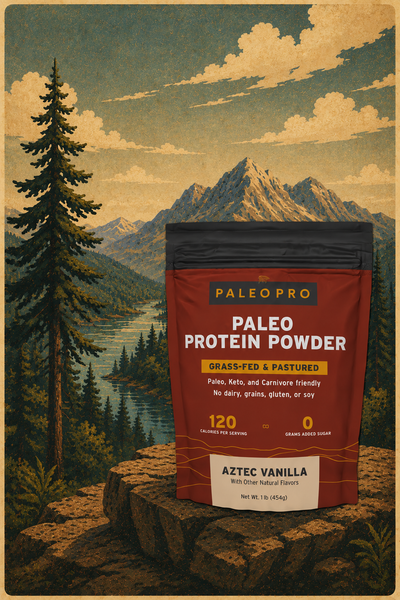
PaleoPro Paleo Protein Powder combines beef protein isolate with egg white protein. Ingredient counts vary by flavor. Plain Naked includes sunflower lecithin; flavored versions also include ingredients such as monk fruit and natural flavors. It fits a flexible animal-based approach that allows those ingredients, rather than a strict plant-free rule.
Collagen and Bone Broth Protein — Carnivore Approved
Collagen peptides come from animal connective tissue. Bone broth protein is made from simmered bones and cartilage. Both are entirely animal-derived.
One important caveat: collagen is not a complete protein. It's missing tryptophan and runs low on several essential amino acids. It does real work for joints, gut lining, skin, and hair — the research there is solid. But it won't build muscle on its own. Use it alongside a complete protein like beef protein isolate, not instead of one.
Egg White Protein — Carnivore Approved
Eggs are an animal product. Egg white protein is dried, powdered egg whites. Carnivore-approved by any reasonable standard.
It's a complete protein with solid bioavailability and good leucine content for muscle building. The texture is lighter than beef protein if that matters to you. The only people who might exclude it are strict "meat only" carnivores who draw the line before eggs — but that's a small minority within the community.
Whey Protein — Debated
This one sparks arguments. Whey comes from milk. Milk comes from cows. That makes it animal-derived. But whey protein powder is also heavily processed dairy, and a good portion of the carnivore community avoids processed dairy entirely.
Some carnivore dieters drink raw milk and eat butter but won't touch whey powder. Others consider whey isolate totally fine because it's dairy with most of the lactose filtered out.
Here's the practical question: did you go carnivore partly to eliminate dairy? If so, adding whey back defeats the purpose. If dairy doesn't bother you, whey is technically animal-sourced. We break down the full beef protein vs. whey comparison if you're weighing the two.
Plant-Based Proteins — Not Carnivore
Pea protein, rice protein, hemp, soy — all plants, all off the table. Doesn't matter how much protein they contain. If it grew in soil, it's not carnivore. Our non-whey protein powder guide covers these for people on other diets, but if you're strict carnivore, skip them entirely.
What Should You Watch for on Labels?
This is where people get tripped up. A protein powder can say "beef protein" in big letters on the front and still contain plant-based ingredients inside.
Watch for these:
- Sweeteners. Stevia and monk fruit are plant-derived. Sucralose is synthetic. Some strict carnivores avoid all of them.
- Thickeners and fillers. Xanthan gum, guar gum, acacia fiber — all from plants. Sunflower lecithin is technically plant-derived too, but it's a different category: cold-pressed from sunflower seeds for mixability, not a filler. Most relaxed carnivore dieters accept it. Strict purists don't.
- Cocoa or cacao powder. Found in every chocolate-flavored protein. It comes from a bean. That's a plant.
- "Natural flavors." Can come from plant or animal sources. Labels almost never specify which.
Read every ingredient. Even a short list can include a plant-derived sweetener or emulsifier, and an unflavored powder can still contain sunflower lecithin.
When Do Carnivore Dieters Actually Need Protein Powder?
"Need" is a strong word. You don't need it. But there are real situations where it helps.
Post-workout. You just finished lifting and want fast-absorbing protein. Cooking a steak takes 20 minutes. A protein shake takes 20 seconds. Hydrolyzed beef protein absorbs faster than whole food because the proteins are already broken down.
Travel. Finding carnivore food at airports is painful. A bag of protein powder and a shaker bottle solve the problem without refrigeration or hunting for a restaurant that'll sell you a plain burger patty.
Hitting protein targets. Active carnivore dieters often need 150-200+ grams of protein daily. That's a lot of meat. A shake or two closes the gap without forcing you to eat when you're already full.
Morning convenience. Not every breakfast needs to involve a stovetop. Sometimes you want something in 30 seconds before walking out the door.
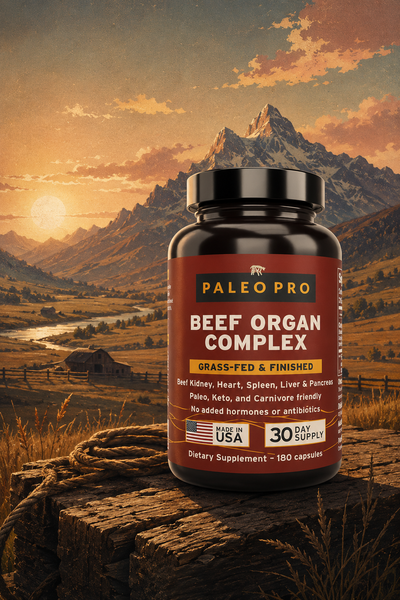
The guideline I follow: keep protein shakes to 1-2 servings per day max. Build the rest of your intake around whole animal foods — steak, ground beef, eggs, fish, organ meats. For portable options beyond shakes, see our list of carnivore-friendly snacks. For the full picture on what to supplement alongside a carnivore approach, our carnivore diet supplements guide covers everything from electrolytes to organ support. The powder is a tool, not the foundation.
How to Make a Carnivore-Friendly Protein Shake
Forget the banana. Forget the almond milk. Here's how carnivore dieters actually build their shakes.
The base:
- Water — simplest option, zero complications
- Bone broth — adds glycine, proline, and minerals for gut and joint support
- Heavy cream or pasteurized milk — if you're in the dairy-inclusive camp
The protein:
- Beef protein isolate — complete protein, cleanest label
- Egg white protein — complete protein, lighter texture
- Bone Broth Collagen — add alongside a complete protein, not alone
Optional add-ins:
- Pasteurized egg yolks — add fat and change the nutrition of the finished drink
- Ghee or butter — increases satiety and calories
- A pinch of salt — sounds weird, tastes better than you'd expect
What to leave out:
- Any fruit (plants)
- Nut butters (plants)
- Oat milk, almond milk, coconut milk (all plant-based)
- Honey (debated endlessly, but most strict carnivores exclude it)
A good carnivore shake tastes good because the protein powder itself tastes good. If you need a dozen ingredients to make your powder drinkable, get a different powder. Our dairy-free protein powder guide covers more mixing options for people on restricted diets.
Whole Food First — Always
I'll say this plainly because it matters: protein powder is not a substitute for eating actual animals.
A pound of ribeye gives you roughly 90 grams of protein along with B12, iron, zinc, saturated fat for hormone production, and the kind of satiety that a shake can't replicate. Organ meats deliver nutrients you can't get from any powder. Eggs bring choline and fat-soluble vitamins.
If you're at home with a kitchen, cook food. If you have time to sit down and eat, eat. The shake is for when those options aren't available. That's the right relationship between a carnivore dieter and protein powder — it's a backup plan, not a meal plan.
How do you build a 39g protein shake for a quick meal?
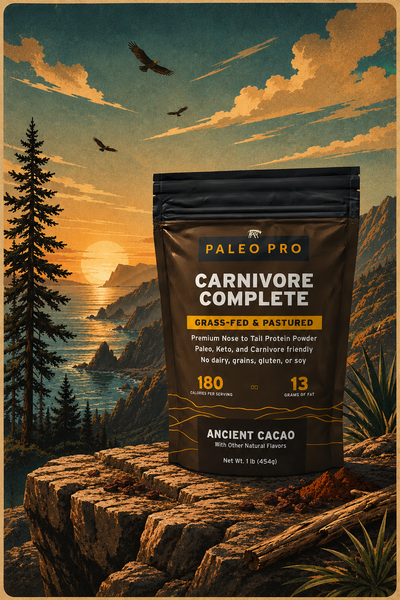
Combine 30g Aztec Vanilla Paleo Protein with 30g Aztec Vanilla Carnivore Complete in water for a label-based total of 39g protein, 300 calories, 14g fat and 3g total carbohydrate. The recipe combines beef and egg protein with tallow, bone broth and a five-organ blend. It suits a flexible animal-based approach that allows monk fruit and sunflower lecithin.
See the keto and carnivore meal replacement stack guide for the exact serving calculation and ingredients. Meal replacement describes a use occasion here; these food supplements are not nutritionally complete or intended for weight reduction.
Frequently Asked Questions
Can you drink protein shakes on a strict carnivore diet?
A powder may fit a strict animal-food-only rule if every ingredient is animal-derived and the processing fits your chosen approach. Check unflavored products too: some contain plant-derived emulsifiers. A flavored or animal-based claim is not enough to establish strict compatibility.
What is the best protein powder for the carnivore diet?
The best fit depends on your ingredient rules and protein needs. Check whether a powder contains a complete protein source, then inspect sweeteners, flavorings and emulsifiers. Animal-derived protein does not automatically mean a plant-free finished product.
Is whey protein allowed on the carnivore diet?
It depends on your approach to dairy. Whey comes from cow's milk, so it is animal-sourced. Some carnivore dieters include it without issues. Others avoid it because whey powder is processed dairy that can cause bloating, inflammation, or skin breakouts — often the same symptoms people went carnivore to fix. If you're unsure, try removing whey for 30 days and note any changes. Beef protein isolate gives you comparable protein without the dairy question.
What liquid should you use for a carnivore protein shake?
Water is the simplest and most common choice. Bone broth is the most nutritious — it adds glycine, proline, and minerals. Heavy cream or pasteurized milk work if you include dairy. Avoid all plant-based milks: almond, oat, coconut, soy, and rice milk are all made from plants. For a richer shake without dairy, use a dairy-free powder with water; check all ingredients before adding anything else.
How much protein do you need on the carnivore diet?
Most active people do well with 0.7-1.0 grams of protein per pound of body weight daily. A 180-pound person would target 126-180 grams. Most carnivore dieters eating to satiety hit 120-200 grams naturally from whole animal foods. Protein powder fills in on days when you fall short — typically 1-2 scoops is enough. The bigger variable for many carnivore dieters is actually eating enough fat, not protein.
Are most protein bars carnivore-friendly?
Almost never. The vast majority of protein bars contain plant ingredients — oats, nuts, dried fruit, fiber, chocolate chips, soy lecithin. Even bars marketed as "meat-based" or "paleo" usually include honey, fruit, or seeds. Read the full ingredient list before assuming any bar qualifies. For portable carnivore protein, a shaker bottle with beef protein powder and water is more reliable than anything in a wrapper.
How do you choose a powder?
For a dairy-free protein base, compare Paleo Protein Powder with the options in our protein collection. Choose according to the full ingredient list and the version of carnivore you follow.
Sources:
- Sharp, M.H., et al. (2018). "The Effects of Beef Protein Isolate and Whey Protein Isolate Supplementation on Lean Mass and Strength in Resistance-Trained Individuals." Journal of the International Society of Sports Nutrition, 15(1), 1-9. PMC
- Jager, R., et al. (2017). "International Society of Sports Nutrition Position Stand: Protein and Exercise." Journal of the International Society of Sports Nutrition, 14(1), 20. PMC
- Paul, C., Leser, S., & Oesser, S. (2019). "Significant Amounts of Functional Collagen Peptides Can Be Incorporated in the Diet While Maintaining Indispensable Amino Acid Balance." Nutrients, 11(5), 1079. PMC
- National Institute of Diabetes and Digestive and Kidney Diseases (NIDDK). "Definition & Facts for Lactose Intolerance." niddk.nih.gov