Protein Powder in Coffee: How to Do It Right
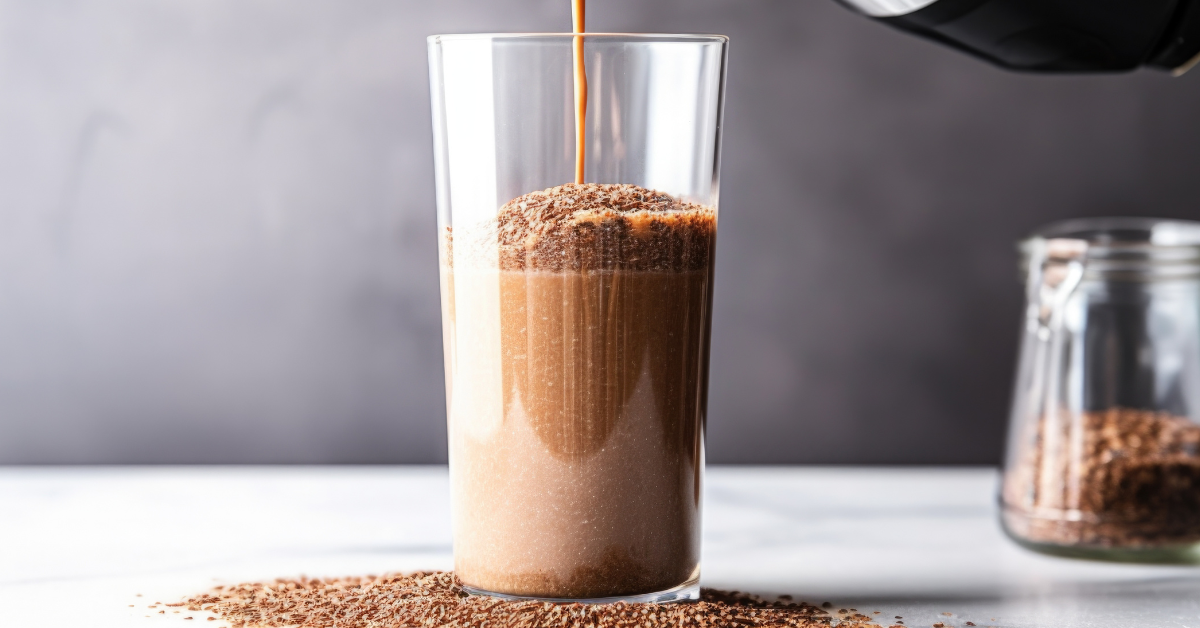
Yes, you can put protein powder in coffee. For a smoother cup, first mix the powder with a small amount of cool water or milk, then add the coffee while stirring. A blender or handheld frother works too. Heat does not erase the protein, though high heat can make some powders clump or turn grainy.
Protein coffee is useful because it attaches protein to something many people already make every morning. It is still coffee, and it still behaves like coffee. The temperature and caffeine count deserve as much attention as the scoop.

26g of complete protein from beef isolate and egg white; mix it cool-first before adding hot coffee.
Why does protein powder clump in coffee?
Heat unfolds protein molecules. That process is called denaturation. Once unfolded, some proteins bond together and form visible particles. Research on whey solutions shows that temperature, protein concentration and acidity all change how much aggregation occurs [1]. Coffee brings all three variables into one mug.
Denaturation is a structural change. It does not make the grams of protein disappear. The practical problem is texture: a dry scoop hitting a small volume of very hot, acidic liquid can seize before it disperses.
The easier method gives the powder room to hydrate before it meets the heat. Start with cool liquid, stir until no dry pockets remain, and then introduce the coffee gradually.
How do you mix protein powder into hot coffee?
Use either of these methods.
The cold-first method
- Put the protein powder in a mug or shaker.
- Add 2 to 4 tablespoons of cool water or milk.
- Stir, whisk or shake until you have a smooth slurry.
- Add the coffee gradually while stirring.
- Add more liquid if the drink is thicker than you like.
This method needs no special equipment. Let freshly brewed coffee stand briefly if it is still near boiling. Exact performance varies by formula, so start with less heat and more mixing rather than chasing a magic temperature.
The blender or frother method
Use a blender only if its manufacturer approves it for hot liquids, and follow its venting and fill-limit instructions. Otherwise, let the coffee cool and use a handheld frother in an open mug. Leave headroom because warm liquid foams.
Never seal hot liquid in a standard shaker bottle. Pressure can build, and a protein-splattered ceiling is a poor breakfast.
Which protein powder works best in coffee?
Choose by the job you want the drink to do. Texture matters, but the nutrition label matters more.
| Protein type | What to expect in coffee | Main tradeoff |
|---|---|---|
| Whey isolate or concentrate | Can foam or aggregate when heated; cold-first mixing helps | Contains milk; concentrate may contain more lactose |
| Beef and egg blend | Works best as a cool slurry or blended drink | Contains egg and may have a noticeable base flavor |
| Plant blend | Often thicker or earthier | Protein quality and texture vary by blend |
| Hydrolyzed collagen | Usually disperses more easily in warm liquid | Incomplete protein, so it does not replace a complete protein serving |
For a breakfast drink meant to help cover daily protein needs, look for a complete protein with all nine essential amino acids. Collagen has a different role. It supplies collagen-rich amino acids, but it is low in several essential amino acids and lacks tryptophan. Calling both products "protein" does not make them interchangeable [2].
Flavor is personal. Chocolate and coffee are an obvious pairing. Vanilla softens bitterness. Unflavored powder gives you more control, though unflavored does not mean tasteless. If the powder contains egg, milk, soy or another major allergen, the label must identify it [3].
If plain powder is the goal, the unflavored protein powder guide covers the label checks without turning this page into a second buying guide. Anyone avoiding milk can compare sources in the dairy-free protein powder guide.
How do you make iced protein coffee?
Cold coffee is more forgiving because heat-driven aggregation is out of the picture.
- Add 8 to 12 ounces of cold coffee and your preferred cool liquid to a shaker or blender.
- Add one label serving of protein powder.
- Shake or blend until the powder is dispersed.
- Pour over ice.
If you brew coffee ahead, cool it promptly and store it covered in the refrigerator. Separation is normal. Shake the drink again before serving.
For a stronger coffee flavor without adding much liquid, use a small amount of cold-brew concentrate and dilute it to the maker's instructions. The caffeine can climb quickly with concentrate, so check the label rather than guessing.
What are three useful protein coffee formulas?
These are templates, not laboratory-tested recipes. Powder formulas behave differently, so adjust liquid a little at a time.
Hot vanilla protein coffee
- 8 to 12 ounces brewed coffee
- 1 serving vanilla protein powder
- 2 to 4 tablespoons cool water or milk for the slurry
- Cinnamon, if you like it
Make the slurry first, then add the coffee slowly. Use a frother for more foam.
Iced mocha protein coffee
- 8 ounces cooled coffee or diluted cold brew
- 1 serving chocolate protein powder
- 4 ounces water or milk
- Ice
Shake or blend until smooth, then pour over ice. Unsweetened cocoa can deepen the chocolate flavor, but it also thickens the drink.
Warm collagen coffee
- 8 to 12 ounces coffee
- 1 label serving hydrolyzed collagen powder
Whisk the collagen into the coffee according to its label directions. A flavored collagen product will change the cup. PaleoPro's Bone Broth Collagen + Turmeric, for example, contains natural flavors, monk fruit and turmeric root along with beef collagen, so it should not be described as flavorless.
Does protein coffee count as breakfast?
Sometimes it is enough for the moment; sometimes it is a drink beside breakfast. A scoop may contribute a substantial amount of protein, but that does not automatically supply the fiber, energy or range of micronutrients in a meal.
Daily protein needs depend on body size, activity and goals. The adult RDA is 0.8 grams per kilogram of body weight, while sports-nutrition guidance commonly places exercising adults at 1.4 to 2.0 grams per kilogram per day [4,5]. A powder is a convenient way to close a gap. It does not create a universal target.
Coffee timing is mostly a caffeine question, while protein timing is mostly about total intake and meal distribution. The protein shake timing guide separates the two.
If coffee on an empty stomach makes you jittery or uncomfortable, adding protein may not fix that. Reduce the caffeine, drink it with food or choose decaf. Pregnant people and anyone managing a condition or medication affected by caffeine should follow their clinician's advice.
Frequently asked questions
Can you put protein powder in hot coffee?
Yes. Mix the powder with a small amount of cool liquid first, then add the coffee gradually. A blender or handheld frother also helps. Very hot liquid and a high powder concentration make clumping more likely.
Does hot coffee destroy protein powder?
No. Heat changes protein structure and may cause aggregation, but the protein does not vanish. The main change you notice in a mug is texture.
How much protein powder should you put in coffee?
Start with one label serving in 12 to 16 ounces of total liquid. Use less powder or more liquid if the drink becomes thick. A small espresso is rarely enough liquid for a full scoop.
Can you put a ready-to-drink protein shake in coffee?
Yes. Pour it into coffee gradually, or use it as the cool base for an iced drink. Check the shake's storage directions and do not boil it.
Is protein coffee the same as proffee?
Usually. "Proffee" is a casual name for coffee combined with protein powder or a prepared protein shake. Recipes range from iced coffee with a bottled shake to hot coffee mixed with powder.
Can you make protein coffee the night before?
You can prepare iced protein coffee ahead and refrigerate it in a covered container. It may separate, so shake it before drinking. Hot versions are usually better made fresh because reheating can worsen the texture.
Protein coffee works best as a repeatable method: hydrate the powder, manage the heat and use enough liquid. If you want a complete, dairy-free option, Paleo Protein Powder provides 26 grams of protein from beef protein isolate and egg white protein. Browse the protein collection if you want to compare formats. Comparing beef powders first? Here are the best beef protein powder brands, ours included.
Sources
- Buggy, A.K., et al. (2018). "Pilot-scale formation of whey protein aggregates determine the stability of heat-treated whey protein solutions: Effect of pH and protein concentration." Journal of Dairy Science, 101(12), 10819-10830. PubMed
- Hoffman, J.R. & Falvo, M.J. (2004). "Protein -- Which Is Best?" Journal of Sports Science & Medicine, 3(3), 118-130. PMC
- U.S. Food and Drug Administration. "Questions and Answers Regarding Food Allergens, Including the Food Allergen Labeling Requirements." FDA guidance
- National Academies of Sciences. Dietary Reference Intakes for Macronutrients. NCBI Bookshelf
- Jäger, R., et al. (2017). "International Society of Sports Nutrition Position Stand: protein and exercise." Journal of the International Society of Sports Nutrition, 14, 20. PubMed
