Best-Tasting Protein Shake: What Makes One Good
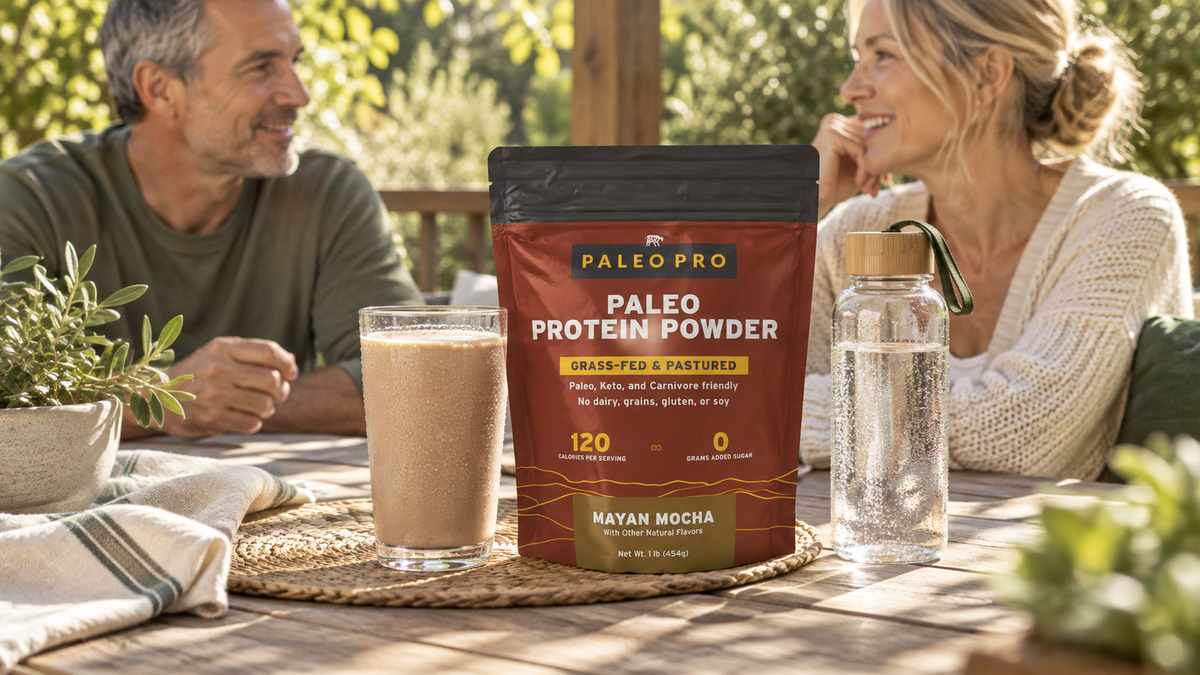
The best-tasting protein shake matches your preference for sweetness, flavor strength, and texture while delivering the nutrition you bought it for. Protein source, sweetener, liquid, temperature, and mixing method all change the experience. Compare shakes under the same conditions, then choose the one you can drink consistently without having to rescue it.
Taste is personal. A useful guide still has work to do. It can show you which variables produce the glass in front of you, and which label clues save you from a month of reluctant sipping.
What makes a protein shake taste good?
A protein shake is a small sensory system. Aroma changes sweetness. Cocoa contributes bitterness and astringency. The protein base brings its own flavor. Fat and thickness affect how long flavors stay in your mouth. Temperature changes what you notice.
Controlled sensory research shows that vanilla aroma can increase perceived sweetness [1]. Chocolate flavoring can also reduce the bitterness and bitter aftertaste associated with stevia compounds in some food systems [2]. This is why two powders with the same sweetener can taste quite different.
The finished shake matters more than an ingredient in isolation. Start by deciding what “good” means to you: lightly sweet, dessert-like, thin, creamy, fruit-forward, or easy to drink quickly. That preference is the buying criterion the front label usually skips.
Once you know your target, choose a powder and preparation method built to produce it.

Four flavor paths on one dairy-free base, each with 26g of complete protein at about 120 calories.
How can you compare protein shake taste fairly?
Change one thing at a time. A blender shake with banana and nut butter tells you whether you like the recipe. It does not tell you much about the powder.
| Variable | Simple comparison method | What it reveals |
|---|---|---|
| Flavor | Same powder, same liquid, different flavors | Aroma, bitterness, and sweetness balance |
| Protein base | Same flavor and liquid, different protein sources | Base flavor and texture tendencies |
| Liquid | Same serving in water and your usual milk | How much body and sweetness the liquid adds |
| Concentration | Same serving with more or less liquid | Whether the formula is too strong or too faint for you |
| Mixing method | Shaker versus blender | Foam, grit, clumping, and thickness |
| Temperature | Cool versus ice-cold | Which aftertastes become more or less noticeable |
Use the labeled serving first. Write down the liquid and method. If you test two products weeks apart under different conditions, memory will happily invent a winner.
Which protein base makes the best-tasting shake?
There is no universal best base. There are familiar tendencies.
Whey often produces the dairy profile people associate with a conventional shake. Egg white can taste neutral and feel lighter. Beef isolate varies by processing and flavor system. Pea often brings an earthy note and more body. Soy can be relatively neutral. Rice can add grit and is often used in a blend.
Diet and allergens narrow this list before taste does. Whey is milk-derived. Egg white contains egg. Soy and pea serve plant-based shoppers, though soy is itself a major allergen. A powder you cannot or do not want to consume is out of the running regardless of its review score.
If dairy is your first filter, our guide to dairy-free protein shakes compares the available base types before flavor enters the decision.
Paleo Protein uses beef protein isolate and egg white protein, so it is dairy-free but contains egg. Its current label lists 26 grams of complete protein and about 120 calories per serving [5]. If that profile fits, the Paleo Protein flavor lineup includes vanilla, chocolate, mocha, and unflavored options.
Which sweetener leaves the least aftertaste?
Your palate decides, and your past purchases are useful evidence.
Steviol glycosides can activate bitter receptors as well as sweet receptors [3]. That does not mean everyone dislikes stevia. It explains why the same shake can finish cleanly for one person and bitterly for another. Monk fruit extract also differs from sucrose: a matched-sweetness panel detected a distinct time profile and lingering side tastes [4]. Sucralose is strong and familiar in the category, while sugar changes both sweetness and calories.
Read the sweetener before reading the flavor name. If you have repeatedly disliked a particular sweetener, another label design is unlikely to fix the pattern.
Paleo Protein's flavored options use monk fruit and no added sugar [5].
Does a ready-to-drink shake taste better than powder?
Ready-to-drink shakes have consistency on their side. The manufacturer controls the water, mixing, heat treatment, and package. Powder gives you control over concentration, temperature, and ingredients.
| Format | Main taste advantage | Main taste limitation |
|---|---|---|
| Ready-to-drink | Consistent texture from bottle to bottle | You cannot change the concentration |
| Powder with water | Cleanest test of the powder | Can feel thin or expose grit |
| Powder with milk or milk alternative | More body and familiar flavor | The liquid can hide the powder's actual profile |
| Blended smoothie | Most control over flavor and texture | Easy to turn a protein shake into a high-calorie meal |
Neither format wins automatically. If convenience determines whether you drink it, a bottle may be the better choice. If you want to tune sweetness or use the powder in coffee, oats, and recipes, powder gives you more range.
How do you fix a protein shake you almost like?
Diagnose before adding five ingredients.
- Too sweet: add more unsweetened liquid or ice.
- Too bitter: try a colder drink or pair it with banana, nut butter, or another flavor that fits.
- Too thin: use less liquid, blend with ice, or choose a richer milk alternative.
- Too thick: add liquid gradually rather than abandoning the serving.
- Too gritty: use a blender and let the shake rest briefly before drinking.
- Too foamy: blend at a lower speed or let the foam settle.
- Clumpy: add liquid first, powder second, then shake or blend.
One adjustment can make a usable shake pleasant. If you need a pantry project every morning to make it tolerable, you bought the wrong powder.
Which flavor should you choose first?
Vanilla is the flexible choice for fruit, coffee, oats, and baking. Chocolate is more assertive and usually easiest to judge as a standalone shake. Mocha suits coffee drinkers. Unflavored works when you want the other ingredients to lead.
For more ways to use a powder, see our guides to protein powder in coffee and beef protein powder recipes. Shoppers who want to compare the full category can start at the best-tasting protein powder collection, which owns the broader powder question.
What should a taste claim prove?
Very little, unless the company shows its method. “Best tasting” may come from customer reviews, an award, a survey, or a sentence written in a marketing meeting. Those are not equivalent.
Look for the sample size, the products compared, preparation conditions, and whether the tasting was blind. Without those details, treat the claim as a description of positioning rather than a scientific result.
Customer reviews still help. Favor reviews that name the flavor, liquid, and mixing method. Repeated observations about sweetness or texture are more informative than a pile of unexplained five-star ratings.
Should you judge a protein shake on the first sip?
Use the first sip to notice obvious problems, then finish the serving before deciding. Sweetness can build. Bitterness and metallic notes may arrive later. Foam may settle, while grit may become more obvious near the bottom.
Try the shake twice under the same conditions. Novel flavors often get an exaggerated first reaction, good or bad. A second serving tells you whether the profile suits a routine rather than a sample table.
Do not force a long adaptation project. There is a difference between unfamiliar and unpleasant. A lightly sweet beef-and-egg-white shake may feel different from the whey shake you know, but repeated bitterness or a texture you dislike is useful information. Your goal is a repeatable drink, not a character-building exercise.
This is also where a return policy matters. Taste claims cannot predict an individual's response, so a clear guarantee carries more practical value than a medal with no published judging method.
Frequently asked questions
What is the best-tasting protein shake?
The best-tasting protein shake fits your preferred sweetness, flavor strength, and texture while meeting your nutritional needs. Compare options in the liquid and mixing method you use most often. No flavor can be certified as the winner for every palate without a defined test.
Why do protein shakes taste chalky?
Chalkiness can come from insoluble particles, the protein source, added minerals, concentration, or incomplete mixing. More liquid or a blender may help. If the texture remains unpleasant under your normal preparation, try a different formula.
Why does my protein shake have an aftertaste?
Sweeteners, protein bases, flavors, and added vitamins can all linger. Stevia is a common source because some steviol glycosides activate bitter receptors, but it is only one possibility.
Does protein powder taste better with milk or water?
Milk and milk alternatives usually add body and their own sweetness, while water exposes the powder's flavor and texture. The better choice depends on the shake you want and the calories or allergens you need to consider.
Is vanilla or chocolate the safest first flavor?
Chocolate is often more assertive, while vanilla is more versatile. Choose chocolate for standalone shakes and cocoa recipes. Choose vanilla for fruit, coffee, oats, and a wider range of mixes.
How do you make a protein shake smooth without a blender?
Add liquid first, then powder. Use a shaker with a mixing ball or screen, shake firmly, and let the drink rest briefly. A small cool-liquid slurry can also help before you add the remaining liquid.
Can a low-sugar protein shake still taste good?
Yes. Aroma and high-intensity sweeteners can create sweetness with little or no sugar. The result depends on the full formula and your sensitivity to the sweetener's aftertaste.
The right shake should survive an ordinary morning. Paleo Protein gives you four flavor paths on the same dairy-free beef-and-egg-white base and backs a first order with a 60-day guarantee [5].
Compare the four flavors and build the shake you will keep making.
Sources
- Greis M, et al. “The Impact of Vanilla and Lemon Aromas on Sensory Perception in Plant-Based Yogurts.” Foods. 2022;11(14):2030. doi:10.3390/foods11142030
- Kim YH, Hong JH. “Effects of Aroma-Taste Interaction on the Sensory Attributes of Rebaudiosides in Soymilk and Milk.” Journal of the Science of Food and Agriculture. 2023;103(15):7445-7454. doi:10.1002/jsfa.12824
- Hellfritsch C, et al. “Human Psychometric and Taste Receptor Responses to Steviol Glycosides.” Journal of Agricultural and Food Chemistry. 2012;60(27):6782-6793. doi:10.1021/jf301297n
- Tan VWK, et al. “Temporal Sweetness and Side Tastes Profiles of 16 Sweeteners Using Temporal Check-All-That-Apply.” Food Research International. 2019;121:39-47. doi:10.1016/j.foodres.2019.03.019
- Paleo Pro. “Paleo Protein Powder.” Product page and current variant data, accessed 2026-09-17. Product details
