Paleo Protein Powder: What It Is and Why It Exists

Paleo protein powder is a protein supplement made from ingredients that fit the paleo diet — animal-sourced proteins like beef protein isolate, egg white protein, and collagen, with no dairy, grains, soy, legumes, or artificial additives. It exists because most protein powders on the market are built on whey (dairy) with ingredient lists that would confuse a chemist. If you eat paleo, your protein powder should match.
That might seem obvious. But go look at the protein powder aisle and count how many products actually qualify. It's a short list.
What Makes a Protein Powder "Paleo"?
The paleo diet is built on a simple idea: eat the foods humans evolved eating. Meat, fish, eggs, vegetables, fruits, nuts, seeds. Skip the stuff that showed up with agriculture — grains, dairy, legumes, refined sugar, and processed ingredients your great-grandmother wouldn't recognize.
A paleo protein powder follows the same logic. The protein source should be something a human could have eaten before farming existed. The ingredient list should be short, pronounceable, and free of modern industrial additives.
Here's what qualifies and what doesn't:
Paleo-Approved Protein Sources
| Protein Source | Why It's Paleo | Protein/Serving | Complete Protein? |
|---|---|---|---|
| Beef protein isolate | Animal-sourced, dairy-free, no grains | 26g | Yes — all 9 essential amino acids |
| Egg white protein | Eggs are a paleo staple | 24g | Yes |
| Collagen peptides | From animal connective tissue | 10-18g | No — missing tryptophan |
| Bone broth protein | Traditional food, animal-sourced | 15-20g | No — incomplete amino acid profile |
Not Paleo
| Protein Source | Why It's Excluded |
|---|---|
| Whey protein | Dairy-derived — dairy is not paleo |
| Casein protein | Also dairy |
| Soy protein | Legume — legumes are not paleo |
| Pea protein | Legume |
| Rice protein | Grain — grains are not paleo |
| Hemp protein | Seed-based, but often grouped with paleo. Debated. |
The cleanest paleo protein powder combines beef protein isolate with egg white protein. You get a complete amino acid profile from two whole-food animal sources, zero dairy, zero grains, zero legumes. That's the formula I built PaleoPro around — not because it was trendy, but because after my accident, those were the constraints my body gave me. No dairy. No junk. Just protein from animals I could actually digest.
Why Most Protein Powders Aren't Paleo
Walk into any supplement store and 90% of the protein powders on the shelf fail the paleo test. Here's why.
Whey dominates the market. Whey protein is made from milk. It's cheap to produce, effective for muscle building, and has decades of research behind it. But it's dairy. If you're eating paleo, whey is out. So is casein. That eliminates the vast majority of products immediately.
Plant proteins use legumes and grains. The plant-based protein boom runs almost entirely on pea protein (legume), rice protein (grain), and soy protein (legume). All three are excluded on a strict paleo diet. Hemp protein is the closest to paleo-friendly, but it's incomplete and low in leucine.
The ingredient lists are the real problem. Even protein powders that start with an acceptable protein source often add non-paleo ingredients: artificial sweeteners (sucralose, aspartame), gums and thickeners (xanthan gum, carrageenan), soy lecithin, maltodextrin, "natural flavors" that could mean anything, and proprietary blends that hide what's actually inside.
A protein powder isn't paleo just because the protein is paleo. The entire ingredient list has to pass.
What to Look for in a Paleo Protein Powder
Shopping for paleo protein powder is simpler than the supplement industry wants you to think. Here's the checklist.
1. Protein Source: Beef, Egg, or Collagen
Start with the protein itself. Beef protein isolate gives you the most complete nutritional profile — all essential amino acids, high bioavailability, and research showing it performs comparably to whey for muscle building. Egg white protein is another strong option. Collagen supports joints, gut, and skin but isn't complete on its own.
The ideal: a blend of beef protein isolate and egg white protein. Two complete animal proteins covering every amino acid your body needs.
2. Short Ingredient List
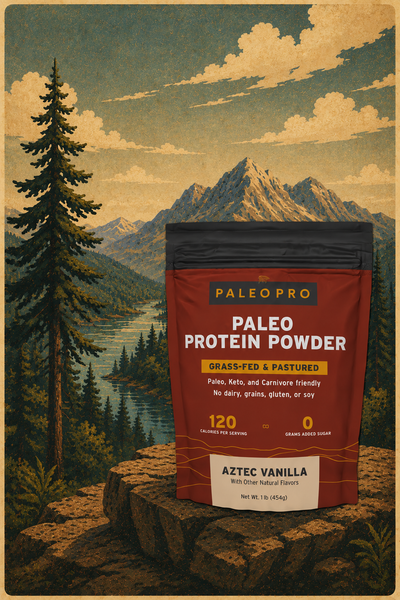
If the ingredient list has more than 6-8 items, start asking questions. A clean paleo protein powder can work with four ingredients. PaleoPro Paleo Protein Powder has exactly that: HydroBEEF (beef protein isolate), egg white protein, monk fruit, and sunflower lecithin. That's it.
Every additional ingredient is either adding function (a sweetener, a flavor) or compensating for poor-quality protein (fillers, thickeners, gums). Know which is which.
3. No Artificial Sweeteners
Sucralose, aspartame, acesulfame-K, and other synthetic sweeteners aren't food. They weren't available in any ancestral diet. They don't belong in a paleo product.
If you want sweetness, look for monk fruit or stevia — both are plant-derived and paleo-compliant. Some strict paleo followers skip even these. That's a personal call, but neither is in the same category as synthetic sweeteners.
4. No Gums, Fillers, or Thickeners
Xanthan gum, guar gum, carrageenan, cellulose gum — these are texture agents. They make cheap protein feel thicker in the blender. They add nothing nutritionally and some people report digestive issues with them, particularly carrageenan.
A good protein powder mixes well because the protein itself is high quality. It doesn't need gum to fake the texture. Cold-pressed sunflower lecithin is the one emulsifier worth accepting — it helps powder dissolve in liquid without clumping, it's allergen-free (unlike soy lecithin), non-GMO, and it's actually a natural source of phosphatidylcholine, which supports brain health and cell membrane function. That's an ingredient earning its spot on the label.
5. Third-Party Testing
Heavy metals in protein powder are a documented problem. Lead, cadmium, arsenic, and mercury show up more often than you'd want to know. Third-party testing — NSF, Informed Sport, or independent lab reports — gives you confidence that the product is what the label claims.
6. Grass-Fed Sourcing
If you're buying beef protein, grass-fed matters. Grass-fed cattle have a different fatty acid profile than grain-fed — more omega-3s, more CLA, fewer of the inflammatory markers associated with feedlot beef. The protein itself may be comparable gram-for-gram, but the sourcing reflects the broader paleo philosophy: animals raised the way animals were meant to be raised.
Paleo Protein Powder vs. Other Diet-Specific Powders
People often land on paleo protein powder while looking for something else — a Whole30-approved option, a keto protein, or just something that doesn't cause bloating. Here's how paleo protein fits across different dietary frameworks.
| Diet | Paleo Protein Compatible? | Notes |
|---|---|---|
| Paleo | Yes | That's the whole point |
| Whole30 | Usually yes | Check for added sweeteners — Whole30 excludes all sweeteners including stevia |
| Keto | Yes | Low-carb, high-protein, zero sugar |
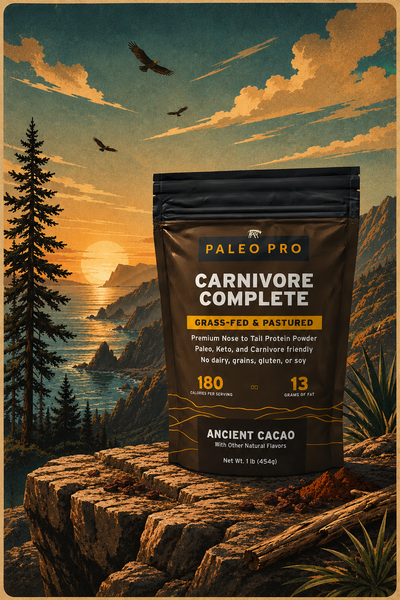
| Carnivore | Yes (if unflavored) | Flavored versions may have plant-derived ingredients |
| AIP (Autoimmune Protocol) | Usually yes | Check for eggs — AIP eliminates eggs in the elimination phase |
| Dairy-free | Yes | No whey, no casein, no lactose |
| Gluten-free | Yes | No grains of any kind |
| Vegan | No | Animal-sourced protein is the foundation |
The reason paleo protein powder works across so many diets is simple: it removes the things most diets agree you should remove. Dairy, grains, legumes, artificial ingredients — almost every restrictive diet excludes at least some of these. Paleo protein eliminates all of them by default.
Why I Built PaleoPro as a Paleo Protein Powder
I didn't set out to start a company. I set out to recover.
After my accident, I couldn't eat much. What I could eat mattered. Dairy wrecked my gut. Processed food slowed me down. The protein powders available were all built on whey with ingredient lists I needed a dictionary to decode.
So I went looking for a protein powder that was just food. Beef protein. Egg protein. Things my body recognized. I couldn't find one. The market was all dairy, all artificial, all designed for bodybuilders who didn't care what was in the tub as long as it hit 25g per scoop.
I built PaleoPro because nothing else existed for people like me. People who read labels. People who care about sourcing. People who eat paleo not because it's a trend but because their body told them to.
Seven years later, the formula hasn't changed. I use it every morning. Same product, same ingredients, same reason. The only thing that changed is now other people use it too.
If that story resonates — if you've been through your own version of reading every label and being disappointed by every ingredient list — this is what I made for you. Not because I saw a market opportunity. Because I was the market, and nobody was making what I needed.
How to Use Paleo Protein Powder
Paleo protein powder is more versatile than most people expect. Beef protein isolate has a mild, slightly savory base that works in both sweet and savory applications.
Shakes and smoothies. The most common use. Blend with water, coconut milk, or almond milk. Add frozen berries, a banana, or just drink it straight. PaleoPro Paleo Protein in chocolate or vanilla blends smooth without a blender — a shaker bottle works fine.
Baking. Beef protein powder works in muffins, pancakes, protein bars, and cookies. It absorbs more liquid than flour, so recipes need adjustment — generally more wet ingredients than you'd use with regular flour. Check our recipe collection for tested ratios.
Coffee. Add a scoop to your morning coffee for a protein-boosted drink. Blend it rather than stirring — protein powder clumps in hot liquid if you don't emulsify it properly.
Savory applications. Unflavored beef protein dissolves into soups, bone broth, and sauces. It thickens slightly and adds protein without changing the flavor profile noticeably.
Frequently Asked Questions
What is paleo protein powder made from?
Paleo protein powder is made from animal-sourced proteins that fit the paleo diet framework. The most common sources are beef protein isolate, egg white protein, collagen peptides, and bone broth protein. These provide complete or near-complete amino acid profiles without dairy, grains, legumes, or artificial ingredients. The best paleo protein powders combine beef protein isolate with egg white protein for a full amino acid spectrum from just two whole-food sources.
Is whey protein paleo?
No. Whey is derived from milk, and dairy is excluded on the paleo diet. This includes whey concentrate, whey isolate, and casein. Even "lactose-free" whey is still a dairy product. If you're eating paleo and want a protein powder, beef protein isolate delivers a comparable amino acid profile without the dairy. Egg white protein is another paleo-compliant option.
Can you use protein powder on Whole30?
It depends on the specific product. Whole30 allows protein powders with compliant ingredients — no dairy, no grains, no legumes, no added sugars, and no sweeteners of any kind (including stevia and monk fruit). Most paleo protein powders qualify except for flavored versions that use sweeteners. PaleoPro's Naked (unflavored) variety meets Whole30 requirements. Always check the specific Whole30 ingredient guidelines for the current program year.
Is beef protein powder as good as whey for building muscle?
Research suggests yes. A 2018 study in the Journal of the International Society of Sports Nutrition found that beef protein isolate and whey protein isolate produced comparable gains in lean mass and strength in resistance-trained individuals over eight weeks. Both are complete proteins with all essential amino acids. The difference isn't in the results — it's in the allergens, digestibility, and dietary compatibility.
What does paleo protein powder taste like?
It depends on the flavor and brand. Unflavored beef protein isolate has a mild, slightly neutral taste — not beefy. Flavored versions (chocolate, vanilla) taste like any other protein powder when mixed properly. The texture tends to be slightly thinner than whey because there's no lactose or milk solids adding body. Most people find it mixes easily in a shaker bottle without a blender.
How is paleo protein different from regular protein powder?
The difference is in what's excluded. Regular protein powders typically use whey (dairy), contain artificial sweeteners, and include gums, fillers, and thickeners. Paleo protein powder uses animal-sourced protein without dairy, grains, legumes, or artificial additives. The protein content per serving is similar — 20-26g — but the ingredient list is dramatically shorter and cleaner. If you've ever felt bloated or uncomfortable after a regular protein shake, the non-protein ingredients are usually the problem.
Is paleo protein powder good for weight loss?
Protein powder supports weight loss by increasing satiety and preserving lean muscle during a caloric deficit — regardless of the source. Paleo protein powder specifically avoids ingredients that can cause bloating, inflammation, and digestive discomfort (dairy, artificial sweeteners, gums), which means you're less likely to feel terrible while dieting. It's also typically low in carbs and sugar, fitting easily into low-carb or keto approaches. But no protein powder causes weight loss on its own. Caloric deficit does. Protein just makes the deficit more manageable.
Looking for a protein powder that actually fits your paleo diet? PaleoPro Paleo Protein Powder is grass-fed beef protein isolate plus egg white protein — four ingredients, zero dairy, zero grains, zero compromise. Available in Naked (unflavored), Chocolate, and Vanilla. Browse our full protein collection or check out why grass-fed sourcing matters.
New to beef protein? Start with our Complete Guide to Beef Protein Powder — everything you need to know about what it is, how it's made, and why it matters.
Sources:
- Sharp, M.H., et al. (2018). "The Effects of Beef Protein Isolate and Whey Protein Isolate Supplementation on Lean Mass and Strength in Resistance-Trained Individuals." Journal of the International Society of Sports Nutrition, 15(1), 1-9. PMC
- Cordain, L. (2011). The Paleo Diet: Revised Edition. Houghton Mifflin Harcourt.
- Tobacman, J.K. (2001). "Review of Harmful Gastrointestinal Effects of Carrageenan in Animal Experiments." Environmental Health Perspectives, 109(10), 983-994. PubMed
- Clean Label Project (2018). "Protein Powder Study." cleanlabelproject.org
- National Institute of Diabetes and Digestive and Kidney Diseases (NIDDK). "Definition & Facts for Lactose Intolerance." niddk.nih.gov
- Daley, C.A., et al. (2010). "A review of fatty acid profiles and antioxidant content in grass-fed and grain-fed beef." Nutrition Journal, 9, 10. PMC